Massive Drone Attacks and Expanded Peace Talks Involving European Security Architecture
Ukraine launched nearly 1,200 drones in a major aerial attack as US-led peace negotiations expanded to discuss post-Cold War European security arrangements.

- Ukraine launched nearly 1,200 drones at Russia in a major overnight aerial attack.
- Peace talks in Abu Dhabi expanded to include post-Cold War European security arrangements.
- President Zelenskyy highlighted ongoing operational speed restrictions affecting military satellite internet systems.
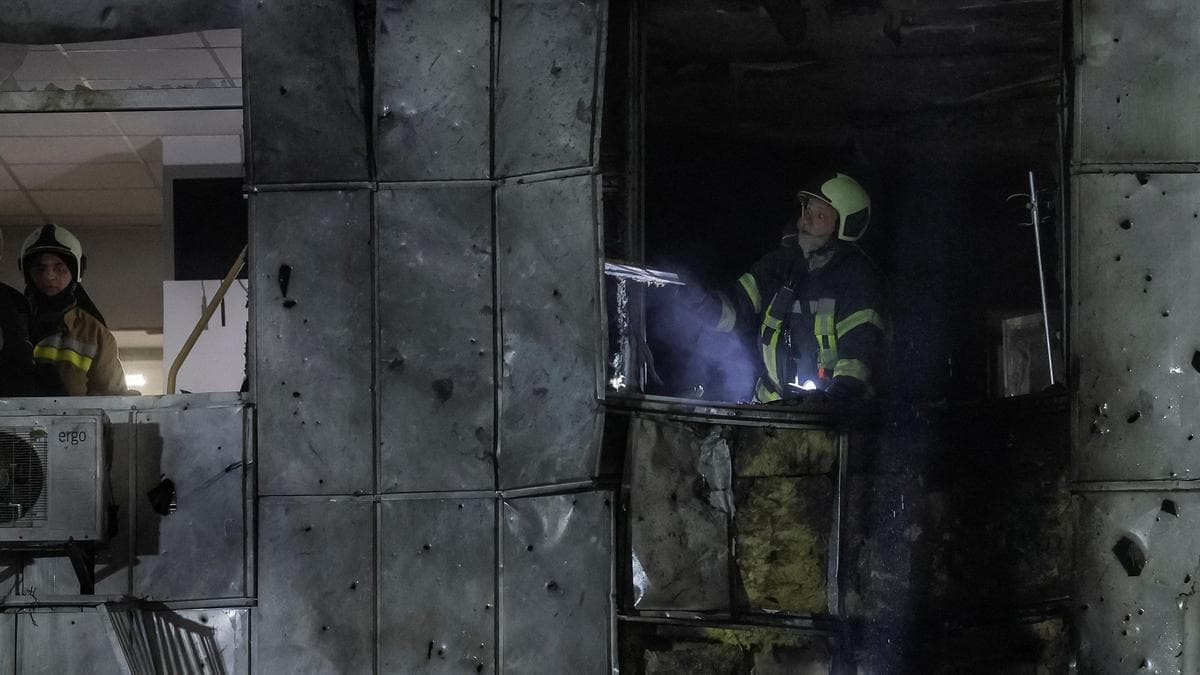
Ukraine launched nearly 1,200 drones at Russian targets overnight in what marked one of its largest aerial assaults since the full-scale invasion began nearly five years ago. According to Russia's Defence Ministry, air defences intercepted 1,198 long-range drones between late Thursday and early Friday. Despite these interceptions, strikes across three Russian regions resulted in seven deaths, including a 12-year-old child, and left 17 people wounded. Ukraine's General Staff reported that the barrage successfully hit an oil refinery in Volgograd, causing a major fire at the facility, which has a processing capacity of about 110 million barrels annually. The large-scale operation was intended to demonstrate Kyiv's resilience against Moscow's claims of an inevitable victory.
Peace Negotiations and Continental Security
Parallel to the battlefield escalation, United States and Russian negotiators shifted the scope of ongoing peace discussions to encompass broader European security arrangements established after the Cold War. Following two days of meetings with delegations from Russia and Ukraine in Abu Dhabi, U.S. envoys traveled to Moscow to brief Russian President Vladimir Putin and to Dublin, Ireland, to meet Ukrainian President Volodymyr Zelenskyy alongside European Union leaders. Envoys Steve Witkoff and Jared Kushner announced that additional talks are scheduled. Mr. Kushner stated that Moscow agreed to incorporate European representation in future discussions, moving away from its previous stance that European governments should be excluded due to their military support for Ukraine.
European Reactions and Strategic Concerns
The inclusion of European security frameworks in the negotiations has caused concern among continental leaders regarding the future status of NATO and post-Cold War stability. The European Union's foreign policy chief, Kaja Kallas, asserted in Dublin that Europe must demand a ceasefire before engaging in further diplomatic steps, warning that discussing Moscow's security terms would play into Russian strategic traps. Luxembourg Prime Minister Luc Frieden emphasized that European nations must independently determine their future without foreign dictation. Analytical assessments from the Institute for the Study of War suggested that Moscow's primary objective is dismantling NATO and the existing security architecture. Meanwhile, Kremlin spokesperson Dmitry Peskov stated that Russia remains open to European contacts once the true intentions and readiness of European states to facilitate peace are clarified.
Starlink Restrictions and Frontline Communications
During meetings in Dublin, President Zelenskyy raised concerns regarding operational restrictions on the US Starshield system, the military-grade version of the SpaceX Starlink satellite network utilized by Ukrainian forces. He noted that speed limits capping drones at 161 kph across the front line and occupied territories prevent effective deployment against fast-moving, jet-powered Russian munitions. Ukrainian authorities have sought clarification from the Pentagon, the State Department, and SpaceX regarding the unannounced limitations. Previous restrictions implemented by SpaceX in October had similarly disrupted operations, prompting acknowledgments from Elon Musk that the network was throttled to prevent offensive use against Russia.
Retaliatory Strikes and Energy Infrastructure
In response, Russia launched 117 drones overnight into Ukrainian territory, resulting in at least two civilian deaths, including a 17-year-old. A subsequent strike in the southern city of Zaporizhzhia damaged two five-story residential buildings, injuring multiple individuals, including children, and prompting rescue operations to free trapped residents. According to First Deputy Minister of Energy Artem Nekrasov, coordinated Russian bombardments targeting energy infrastructure caused widespread power disruptions affecting approximately half of Ukraine's regions. Humanitarian organizations and analysts report that the prolonged conflict has resulted in the deaths of hundreds of thousands of combatants and thousands of civilians since its inception.
- Russia's defence ministry reported intercepting 1,198 long-range drones, though regional strikes caused seven deaths.
- U.S. envoys confirmed that future peace talks will involve European representatives to discuss post-Cold War security.
- Russian strikes on Ukrainian energy infrastructure triggered widespread electricity outages across approximately half of the country's regions.
Spotted an error? · Our editorial policy
UP NEXTJP Interio Private Limited Launches BONDCEAL 710™ Plywood Brand in New DelhiSwipe more stories · World PoliticsQuick cards, a few lines each. Tap to open.More from World Politics

Donald Trump Jokingly Asks White House Chief of Staff Stephen Miller About 2028 Presidential Run

Trump Discusses Nuclear Buildup and AI Safeguards Following Trilateral Summit with Xi and Putin
Trump Threatens Heavy Taxes on US Firms Constructing Data Centers Overseas