Iran Denies Allegations of Planned Attack on Washington
Tehran has officially refuted claims that it is developing plans to execute a dirty bomb or chemical attack against high-ranking United States officials in Washington, DC.

- Iran denies reports of a planned attack on US soil.
- The White House says it is monitoring the situation but sees no immediate credible threat.
- Iran accuses the US and Israel of targeting civilian water infrastructure during the ongoing conflict.
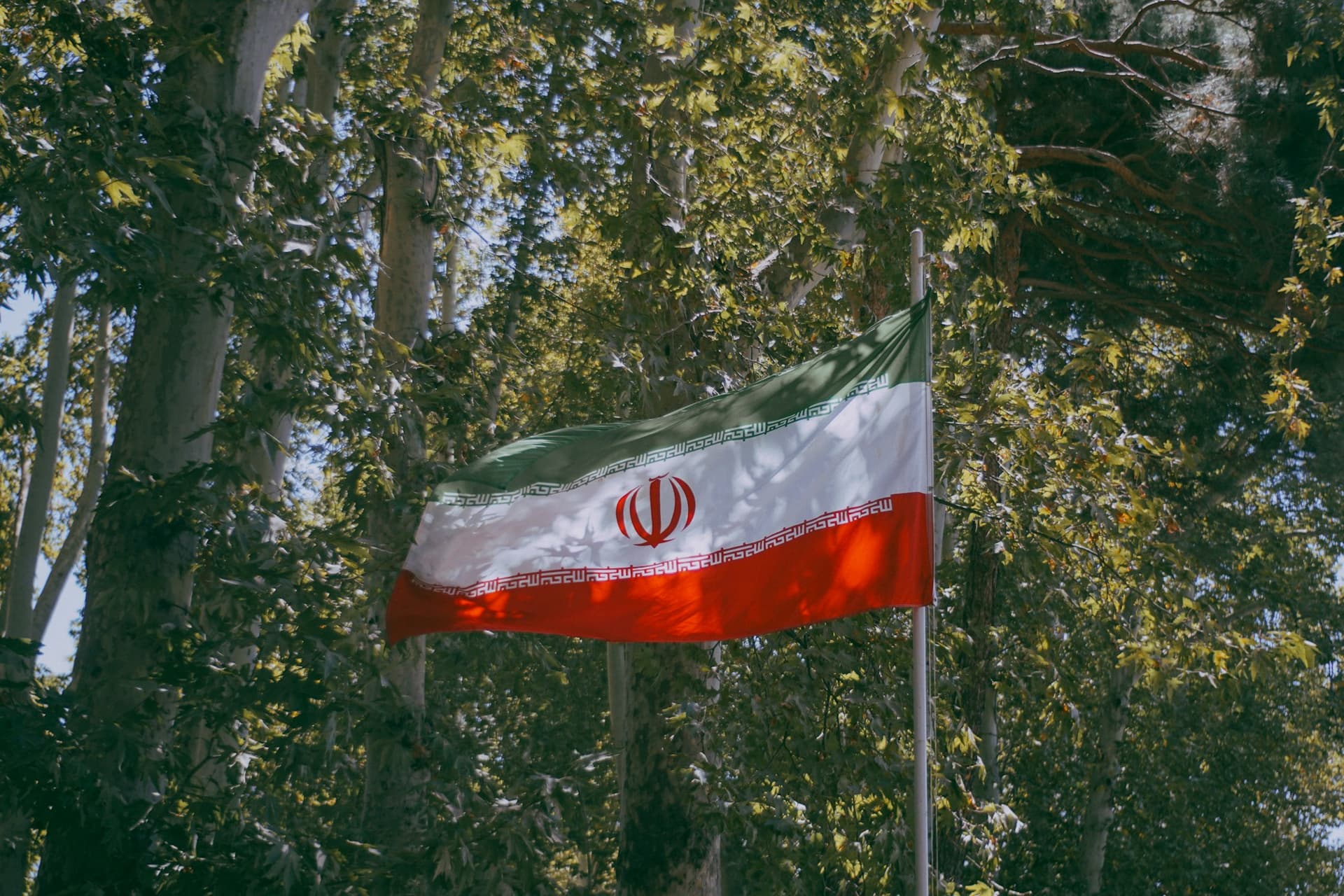
The Iranian government has firmly rejected recent media reports suggesting that Tehran is formulating plans to conduct a radioactive dirty bomb or chemical weapon attack against senior figures within the Trump administration. Officials in Tehran dismissed these assertions as fabricated, characterizing the allegations as a calculated attempt by the United States and Israel to establish a pretext for escalating military actions against Iran.
Official Responses and Intelligence Context
The controversy emerged following reports that cited multiple unidentified United States intelligence sources claiming Tehran had identified potential targets and locations for an attack within Washington, DC. These reports alleged that intelligence gathering had detected Iranian internal communications regarding the concealment of bomb-making materials within American territory. However, some US officials reportedly remain skeptical regarding whether Iran possesses either the genuine capability or a definitive intent to execute such an operation, characterizing the observed activities as exploratory planning rather than evidence of an impending strike.
President Donald Trump stated that his administration is monitoring these potential risks with gravity. During a visit to the Philippines, he warned that any such threat would result in severe consequences for Iran, asserting that the nation would face unprecedented repercussions. Meanwhile, the White House maintained that while surveillance of potential security threats continues, there is currently no evidence of a credible or immediate danger to the United States.
Humanitarian Concerns and Infrastructure Allegations
Esmaeil Baghaei, spokesperson for the Iranian Foreign Ministry, utilized social media to condemn the reports as a malicious campaign designed to build media support for future aggression. Beyond the allegations regarding a potential plot, Baghaei also addressed claims connecting Iranian dams to subterranean missile facilities. He argued that the mere proximity of civilian infrastructure to military installations does not render such sites valid military targets under international law, specifically citing protections under Article 56 of the Additional Protocol I to the Geneva Conventions.
Baghaei further alleged that recent military strikes attributed to the United States and Israel have targeted essential water storage facilities. He listed various locations, including reservoirs in Khomeyn, Haftkel, and Bamani, as well as desalination plants on Qeshm Island and in regions such as Nikshahr, Tis, and the village of Banji. According to the spokesperson, these actions have successfully disrupted critical water access for civilian populations, a development he framed as part of an effort to normalize violations of international humanitarian standards.
Ongoing Conflict and Diplomatic Stagnation
The current tensions persist against the backdrop of an active conflict initiated by military strikes on February 28. Despite intermittent attempts at mediation, high-level peace negotiations have largely stalled. Previous efforts involving Pakistani mediation in April failed to yield a diplomatic resolution, and international observers like Qatar have issued calls for restraint to prevent further escalation that could hinder ongoing dialogue.
Strategic tensions are particularly acute regarding the Strait of Hormuz, a vital artery for global energy transit. Tehran has asserted authority over the waterway, leading to frequent confrontations involving ships deemed unauthorized to traverse the area. The United States Navy has responded by enforcing a blockade on certain Iranian vessels and providing escort services for tankers. As the regional situation remains volatile, expectations are high for upcoming diplomatic meetings, with President Trump anticipated to discuss the status of the Iranian conflict with leaders including Chinese President Xi Jinping and Russian President Vladimir Putin during the APEC summit.
- Tehran rejects media reports of an alleged dirty bomb plot.
- The US continues to monitor security risks while acknowledging no immediate credible threat exists.
- Iran accuses the US and Israel of targeting civilian water supplies during their ongoing military confrontation.
Spotted an error? · Our editorial policy
UP NEXTDadasaheb Phalke International Film Festival Awards 2026: Taylor Swift and James Cameron Among WinnersSwipe more stories · World PoliticsQuick cards, a few lines each. Tap to open.More from World Politics
Donald Trump Jokingly Asks White House Chief of Staff Stephen Miller About 2028 Presidential Run
Trump Discusses Nuclear Buildup and AI Safeguards Following Trilateral Summit with Xi and Putin
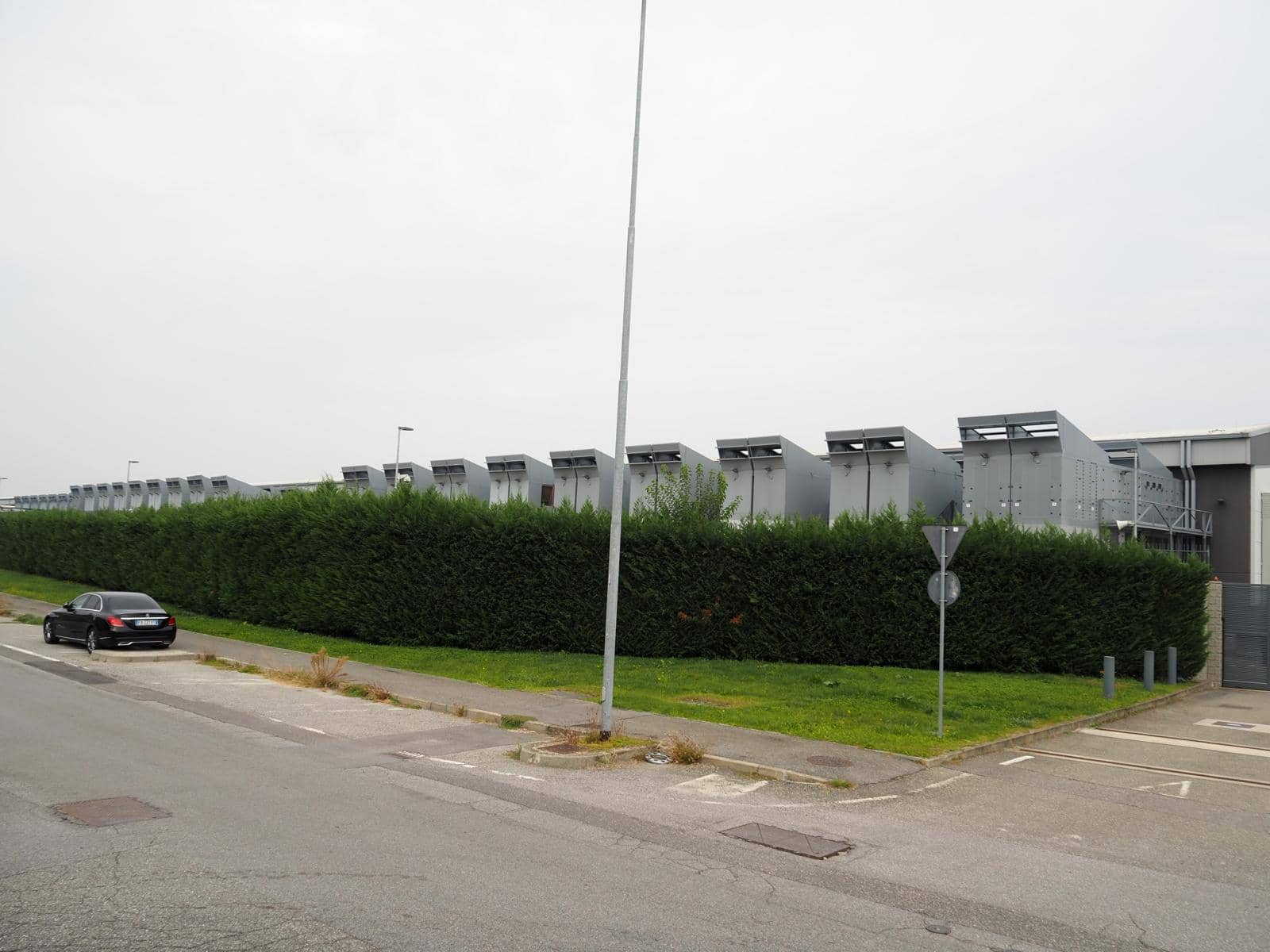
Trump Threatens Heavy Taxes on US Firms Constructing Data Centers Overseas