European Leaders Debate Appointing a Unified Envoy for Ukraine Peace Talks
European nations are seeking a representative for ongoing peace talks to end the Russia-Ukraine war amid concerns that a U.S.-backed process will leave the continent sidelined.

- European nations are debating the appointment of an envoy to represent them in Russia-Ukraine peace talks.
- Leaders met in Dublin to discuss establishing a unified European negotiating position to avoid being sidelined by Washington and Moscow.
- Contenders for the potential role include top European officials alongside considerations of formats involving the E3 powers.
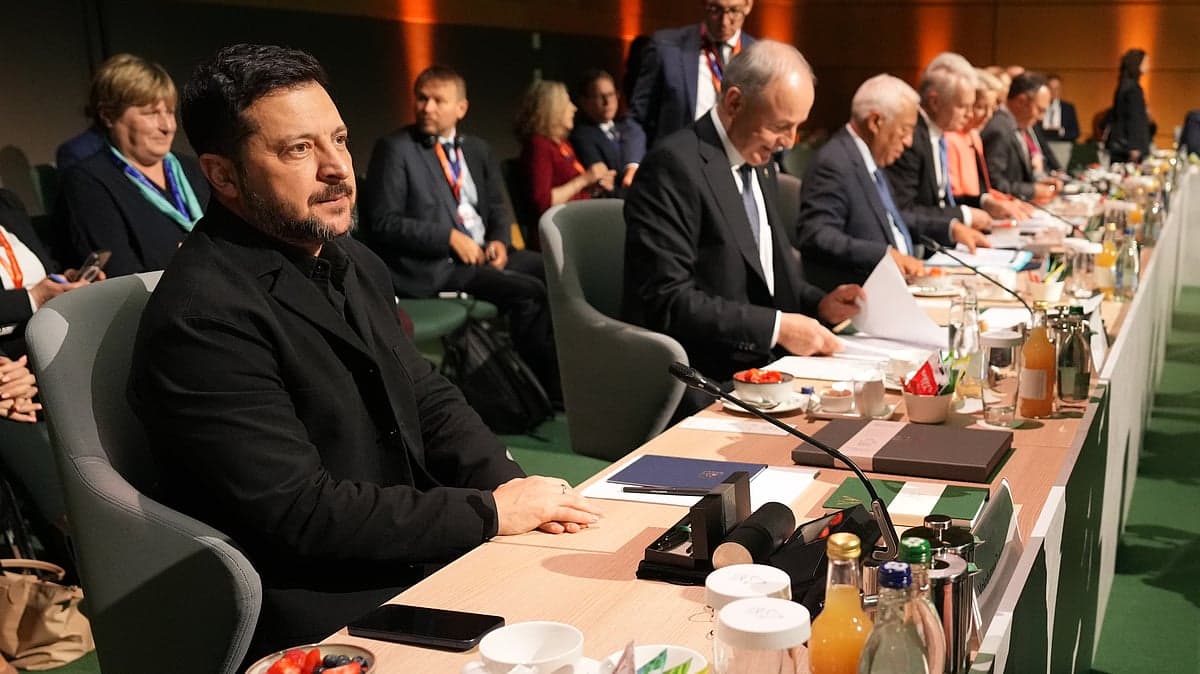
European governments are actively seeking a dedicated envoy to represent them in negotiations aimed at ending the Russia-Ukraine war. Leaders are concerned that a U.S.-backed diplomatic process risks sidelining the continent, leaving Kyiv vulnerable as Washington and Moscow shape the future of a conflict that has severely impacted the region. Discussions regarding whether this position should be held by a single individual or multiple representatives, along with potential candidates, are taking place during a summit in Dublin attended by leaders from the 27-nation European Union.
The Push for a Coherent European Voice
While broad agreement exists among nations ranging from the United Kingdom to Ukraine regarding the necessity of European participation in ongoing talks alongside Moscow, Washington, and Kyiv, concrete consensus on the exact role and candidate remains elusive. Ukraine is eager for support from its European allies, remaining hesitant to leave negotiations entirely in the hands of a U.S. administration perceived as leaning toward Russian positions. Meanwhile, Russia opposes direct European participation in negotiations, citing European financial and military support for Ukraine's defense efforts. Furthermore, European leaders harbor deep mistrust toward U.S. President Donald Trump following prior standoffs concerning trade, Greenland, and conflicts in Iran and Ukraine.
Alignments and Divisions Across the Continent
French President Emmanuel Macron emphasized the necessity of European self-reliance during the European Political Community gathering in Dublin, stating that European nations must ultimately define and decide their own future security. Leaders across the continent harbor anxieties that Russian President Vladimir Putin will pressure Donald Trump into a peace settlement that compromises not only Ukraine but broader European security as a whole. Putin has previously demanded that NATO forces pull back from Russian borders and that no European troops be deployed inside Ukraine. British Prime Minister Andy Burnham rejected assertions that Europe is excluded from peace negotiations, asserting that European voices remain present and committed to supporting Ukrainian President Volodymyr Zelenskyy.
Diplomatic Initiatives and Diverging Strategies
As envoys from Washington, Moscow, and Kyiv convened in the United Arab Emirates for Abu Dhabi talks, delegations from the U.K., France, and Germany monitored proceedings nearby. Supporters of a single representative, such as Italian Prime Minister Giorgia Meloni, contend that the absence of a unified voice has encouraged uncoordinated freelance diplomacy. Meloni criticized separate diplomatic initiatives—including communications with Putin by Finnish President Alexander Stubb and Norwegian Prime Minister Jonas Gahr Støre—arguing they undermine collective European interests. Irish Prime Minister Micheál Martin similarly advocated for a broad continental perspective incorporating the U.K., Norway, and Canada alongside the European Union. Kremlin spokesperson Dmitry Peskov asserted that Europe must first name a representative before joining talks, characterizing European efforts as internal squabbling.
Historical Frustrations and Washington's Perspective
The challenge of identifying a single representative for Europe echoes longstanding international frustrations famously reflected in a query attributed to former U.S. Secretary of State Henry Kissinger regarding whom to call to reach Europe. Following recent U.S.-brokered discussions in the United Arab Emirates, U.S. envoy Jared Kushner remarked that identifying a single person to speak on behalf of Europe would be a significant diplomatic milestone. Kushner and fellow envoy Steve Witkoff later flew to Dublin to brief Zelenskyy, announcing that Moscow agreed to include European partners in subsequent negotiation rounds concerning postwar security arrangements and territorial disputes.
Potential Candidates and Structural Dilemmas
Discussions regarding potential candidates center on major European formats and top officials. France, Germany, and the U.K.—known collectively as the E3—represent the region's leading economies and have engaged heavily in diplomatic efforts, with German Chancellor Friedrich Merz describing the E3 as a proven format. However, relying exclusively on an E3 envoy would exclude 25 other EU member states, particularly smaller nations along the eastern flank bordering Russia and Belarus that face continuous hybrid threats. Consequently, alternative proposals favor senior EU figures, with leading contenders inside Brussels including European Council President Antonio Costa and EU foreign policy chief Kaja Kallas.
- European leaders fear being excluded from critical peace negotiations involving Washington, Moscow, and Kyiv.
- Disagreements persist over whether a unified envoy should represent the European Union or a broader coalition of European states.
- Top contenders for the potential envoy role include European Council President Antonio Costa and EU foreign policy chief Kaja Kallas.
Spotted an error? · Our editorial policy
UP NEXTJP Interio Private Limited Launches BONDCEAL 710™ Plywood Brand in New DelhiOther angles · #Donald Trump
Timeline →- NewsDonald Trump Jokingly Asks White House Chief of Staff Stephen Miller About 2028 Presidential Run
- NewsTrump Backs Jensen Huang’s Return to Nvidia Amid Board Resistance and Intelligence Scrutiny
- NewsTrump Discusses Nuclear Buildup and AI Safeguards Following Trilateral Summit with Xi and Putin
- NewsTrump Threatens Heavy Taxes on US Firms Constructing Data Centers Overseas
More from World Politics
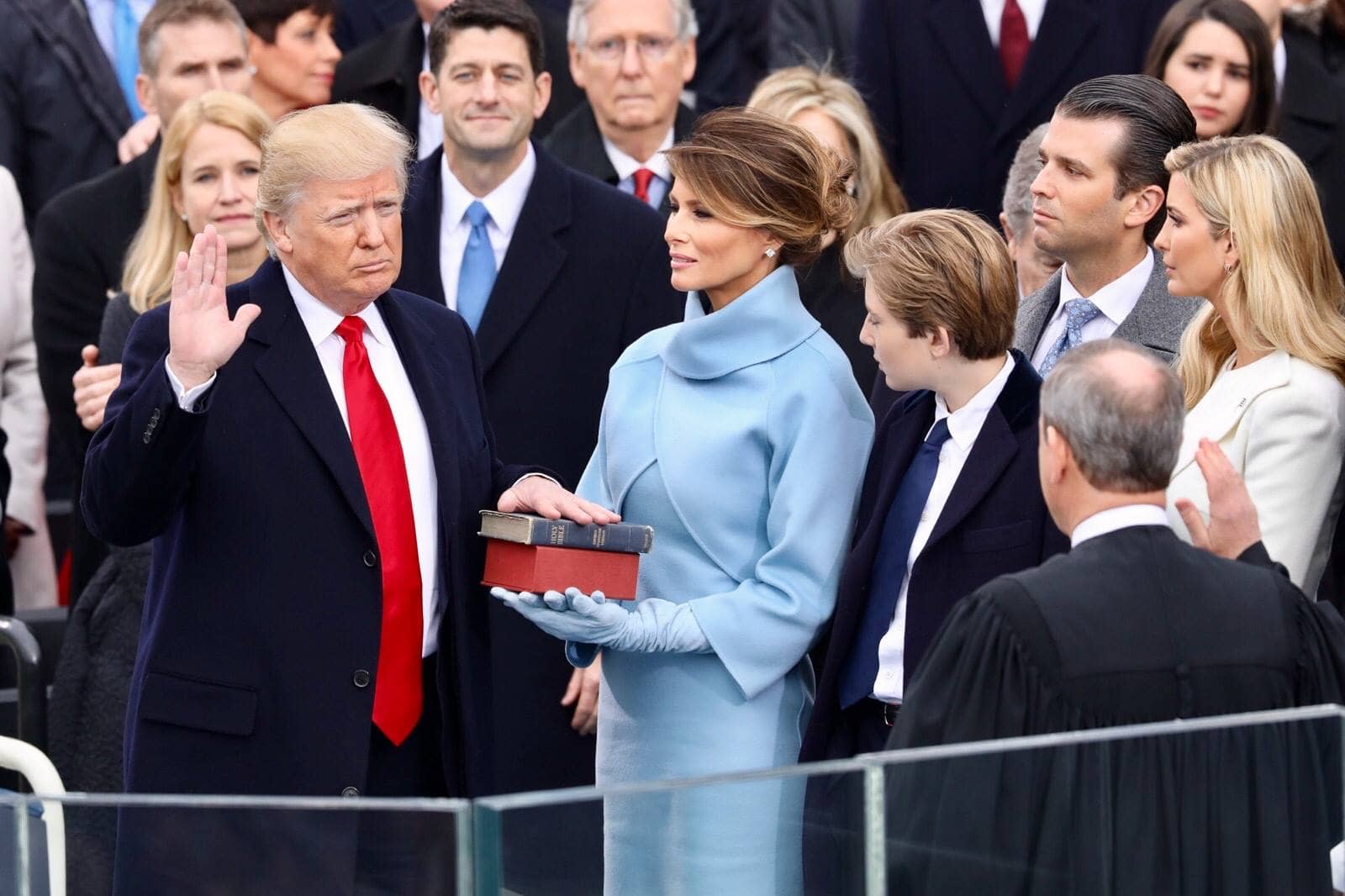
Donald Trump Jokingly Asks White House Chief of Staff Stephen Miller About 2028 Presidential Run
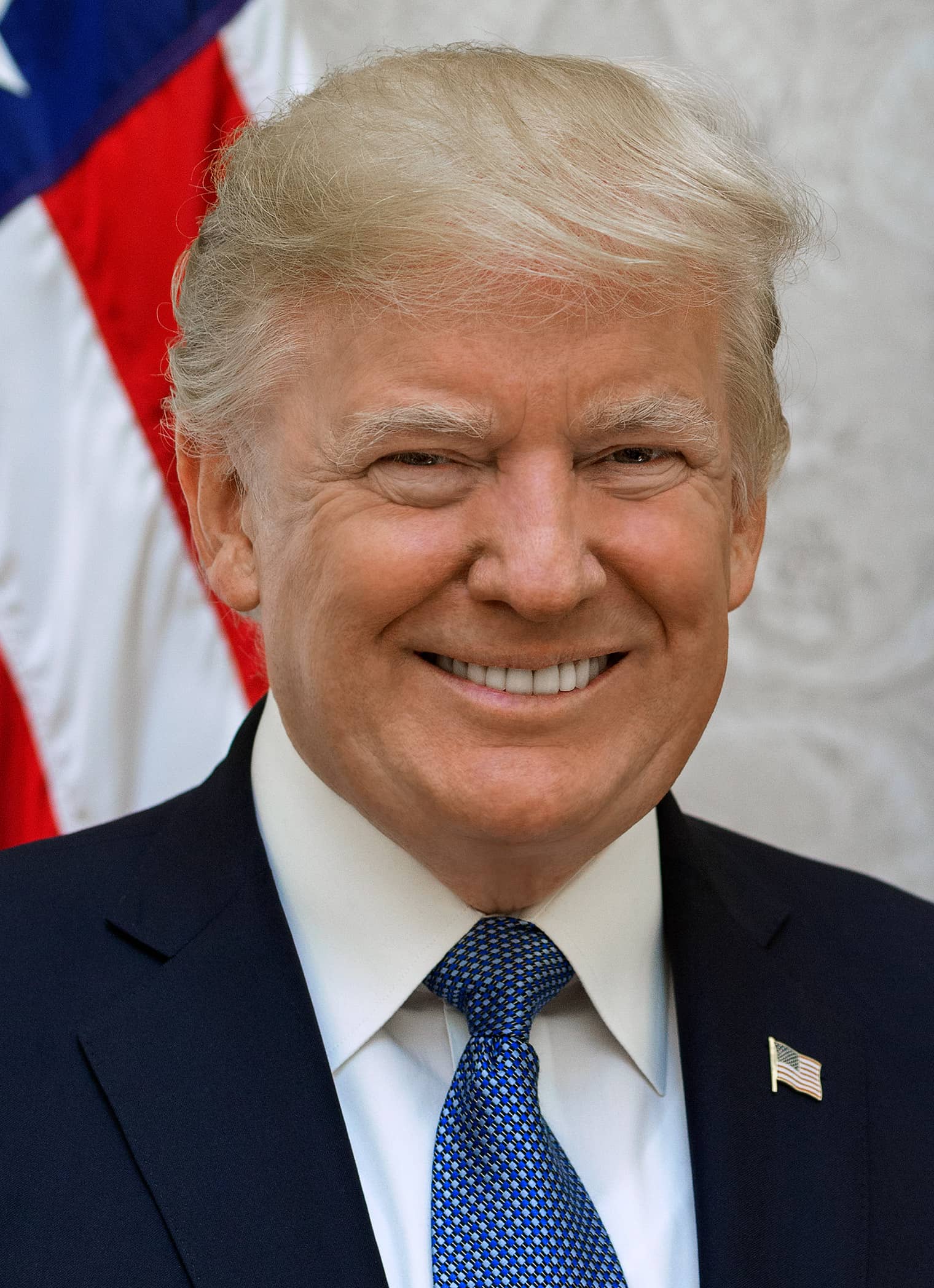
Trump Discusses Nuclear Buildup and AI Safeguards Following Trilateral Summit with Xi and Putin

Trump Threatens Heavy Taxes on US Firms Constructing Data Centers Overseas