Elon Musk Expresses Regret Over Record Midterm Campaign Spending After Republican Defeats
Tesla and SpaceX chief executive Elon Musk acknowledged feeling foolish about investing hundreds of millions into Republican midterm campaigns following sweeping Democratic victories.

- Elon Musk spent between $445m and $446m on Republican campaigns during the midterms.
- Democrats won control of both the Senate and the House of Representatives.
- Musk stated at the DealBook Summit that he felt foolish about the spending and is not MAGA.
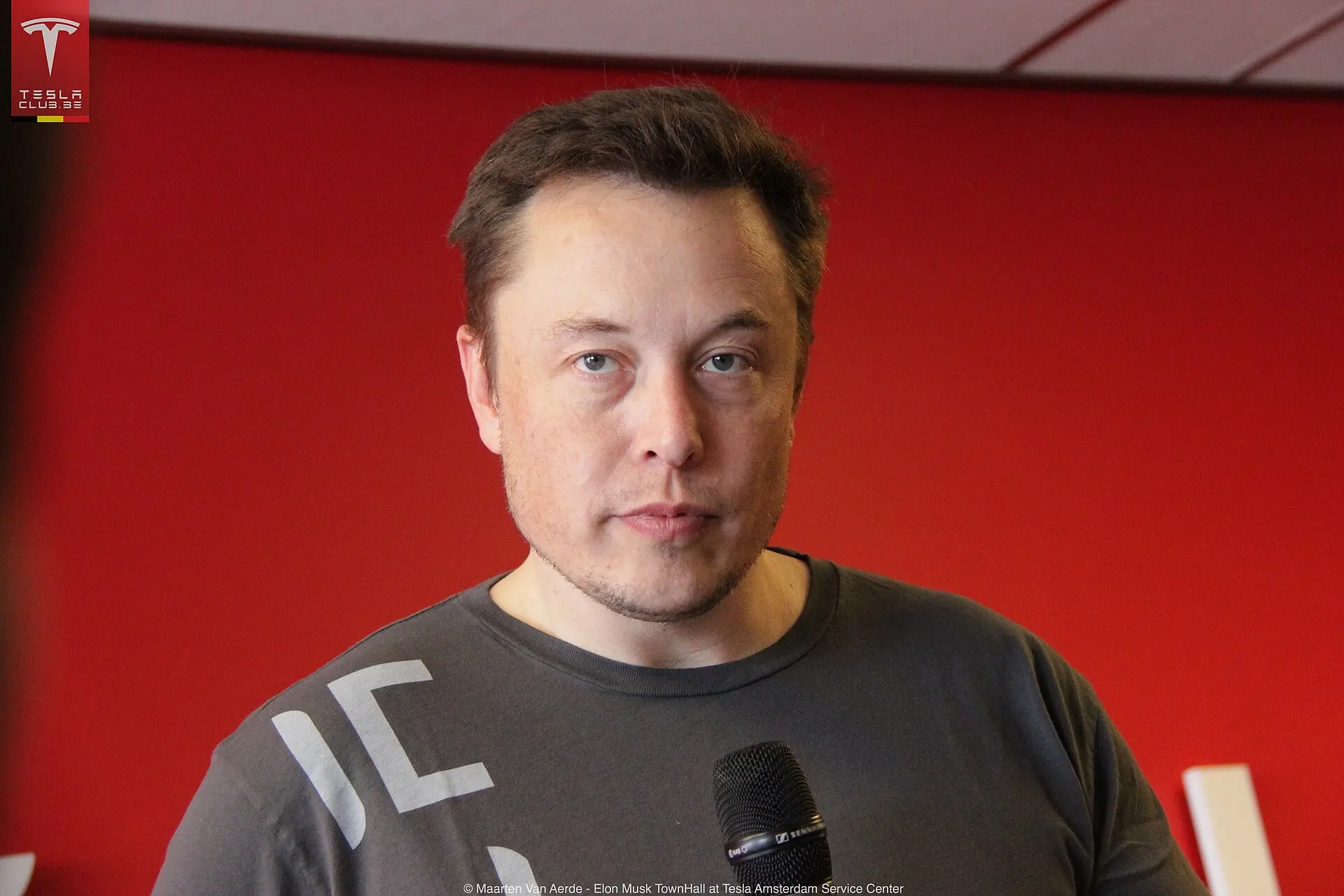
Billionaire entrepreneur Elon Musk addressed his extensive financial contributions to the political sphere during a virtual appearance at an annual conference hosted in New York. The executive, who leads companies including Tesla and SpaceX, reflected on the outcomes of the recent electoral cycle after Democratic candidates secured control of both chambers of Congress.
Midterm Expenditure and Financial Scale
Financial tracking figures from the federal election cycle indicate that the technology executive poured hundreds of millions of dollars into supporting Republican candidates. Reports place his total political expenditure between four hundred forty-five million and four hundred forty-six million dollars, making him the campaign's leading individual donor. A significant portion of these funds was directed toward races in Texas, where several of his corporate operations are stationed, with the stated objective of helping the party maintain a narrow Senate majority.
Despite this capital investment, the intended electoral results failed to materialize. Out of dozens of House candidates backed by the executive, the vast majority suffered defeats against their Democratic challengers. Reflecting on the poor return on investment, Musk noted that candidates might have performed even worse without his financial backing, yet conceded that he would scale back expenditures significantly if given the opportunity to reverse time.
Clarifying Political Affiliation and Past Statements
During the summit discussion, the executive distanced himself from a specific political label. Addressing his stance publicly, he stated that he did not identify with the Make America Great Again movement. He elaborated that if the acronym implied blind adherence to a rigid platform set by the Republican Party, he did not share that perspective. This commentary contrasted sharply with previous public appearances during an earlier presidential campaign cycle, where he had worn distinctive political headwear and adopted a dark iteration of the movement's moniker.
The discussion also touched upon his prior collaboration with federal administrative efficiency initiatives and his historical backing of Donald Trump's second presidential bid. Despite past alignments, the executive emphasized a preference for a balanced distribution of federal power, expressing disapproval over single-party dominance across the executive branch and both legislative chambers.
Local Implications in Texas and Broader Political Shifts
Political momentum during the midterms saw prominent Democratic victories across multiple states, including Texas, Ohio, and others that previously leaned heavily toward Republican platforms. In Texas, a notable senatorial contest resulted in a Democratic win over a high-profile Republican incumbent. Additionally, the state welcomed a newly elected Democratic governor, whom the tech executive anticipated would govern moderately, expressing confidence that regional stability would persist.
The broader national shift in legislative control has introduced new political dynamics for major technology enterprises. Democratic lawmakers have signaled intentions to increase regulatory oversight of the technology sector, focusing specifically on corporate expansions such as the deployment of controversial data centers. As political power structures evolve in Washington, the relationship between prominent industry leaders and federal regulators continues to navigate a changing legislative landscape.
Reflections on Wealth and Democratic Processes
Concluding his remarks at the New York event, the chief executive observed broader truths regarding the nature of democratic governance in the nation. He acknowledged that financial resources alone are ultimately insufficient to dictate the outcome of political contests. The sweeping defeats suffered by heavily funded campaigns demonstrated that voter sentiment and broader economic pressures, including public concerns regarding the cost of living under prior policies, played a decisive role in shaping the final electoral tally.
- Elon Musk was the top individual donor in the election cycle.
- Musk stated he would spend less money if he could rewind the clock.
- Democrats have vowed increased scrutiny on tech companies following their victory.
Spotted an error? · Our editorial policy
UP NEXTBritish Columbia Premier Lorne Doerkson Inducts Punjabi-Origin MLAs into CabinetSwipe more stories · World PoliticsQuick cards, a few lines each. Tap to open.More from World Politics
Donald Trump Jokingly Asks White House Chief of Staff Stephen Miller About 2028 Presidential Run
Trump Discusses Nuclear Buildup and AI Safeguards Following Trilateral Summit with Xi and Putin

Trump Threatens Heavy Taxes on US Firms Constructing Data Centers Overseas