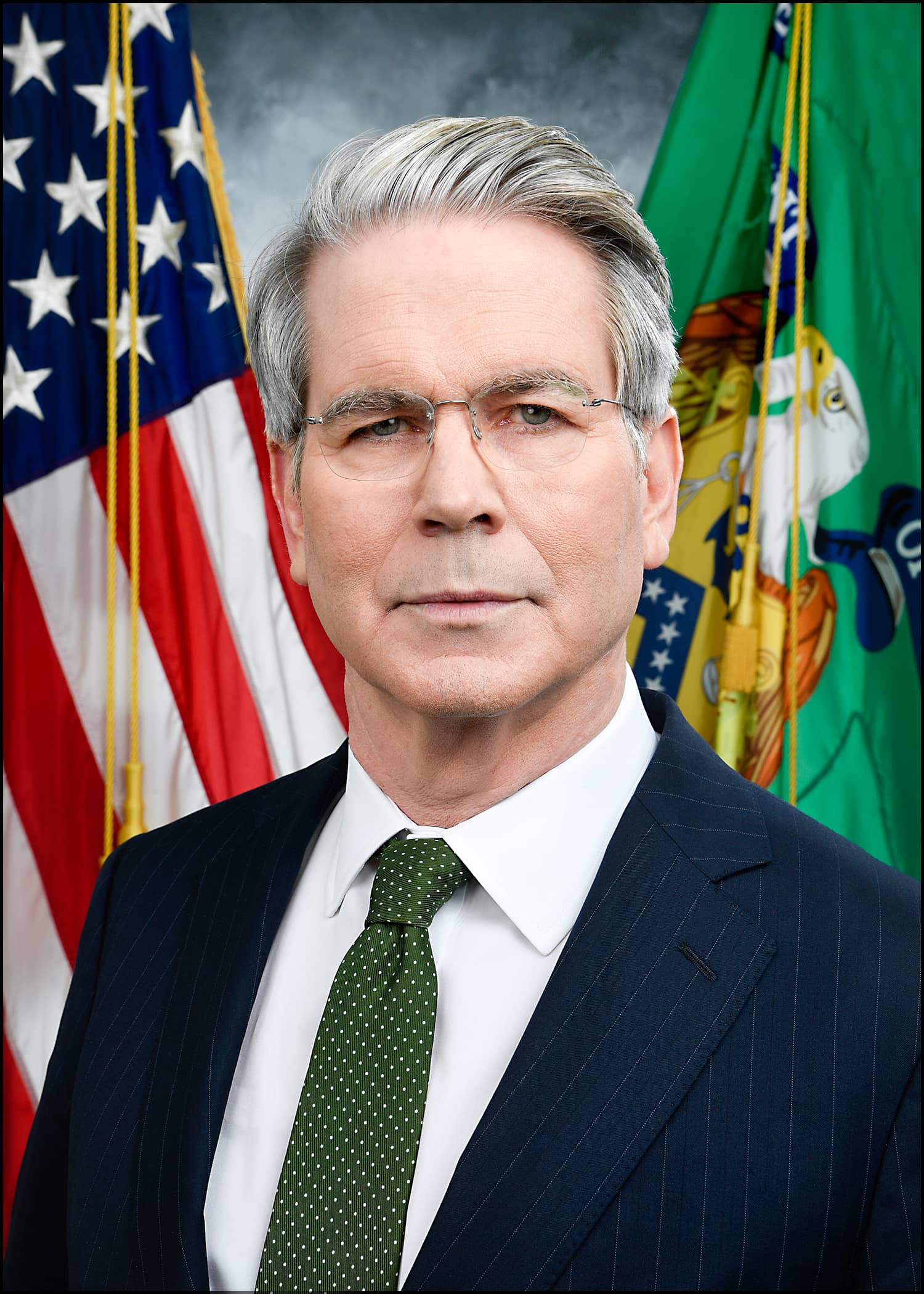
Conflicting Claims Emerge Following Trump-Philippines Trade Announcement
President Donald Trump claimed a significant trade agreement with the Philippines, but Philippine officials clarified that no formal document has been signed.

- President Trump announced a major trade deal with the Philippines during his state visit.
- The Philippine government clarified that no formal agreement has been signed, describing the outcome as an understanding on economic cooperation.
- Ambassador Jose Manuel Romualdez confirmed that no documents were signed between the two countries.
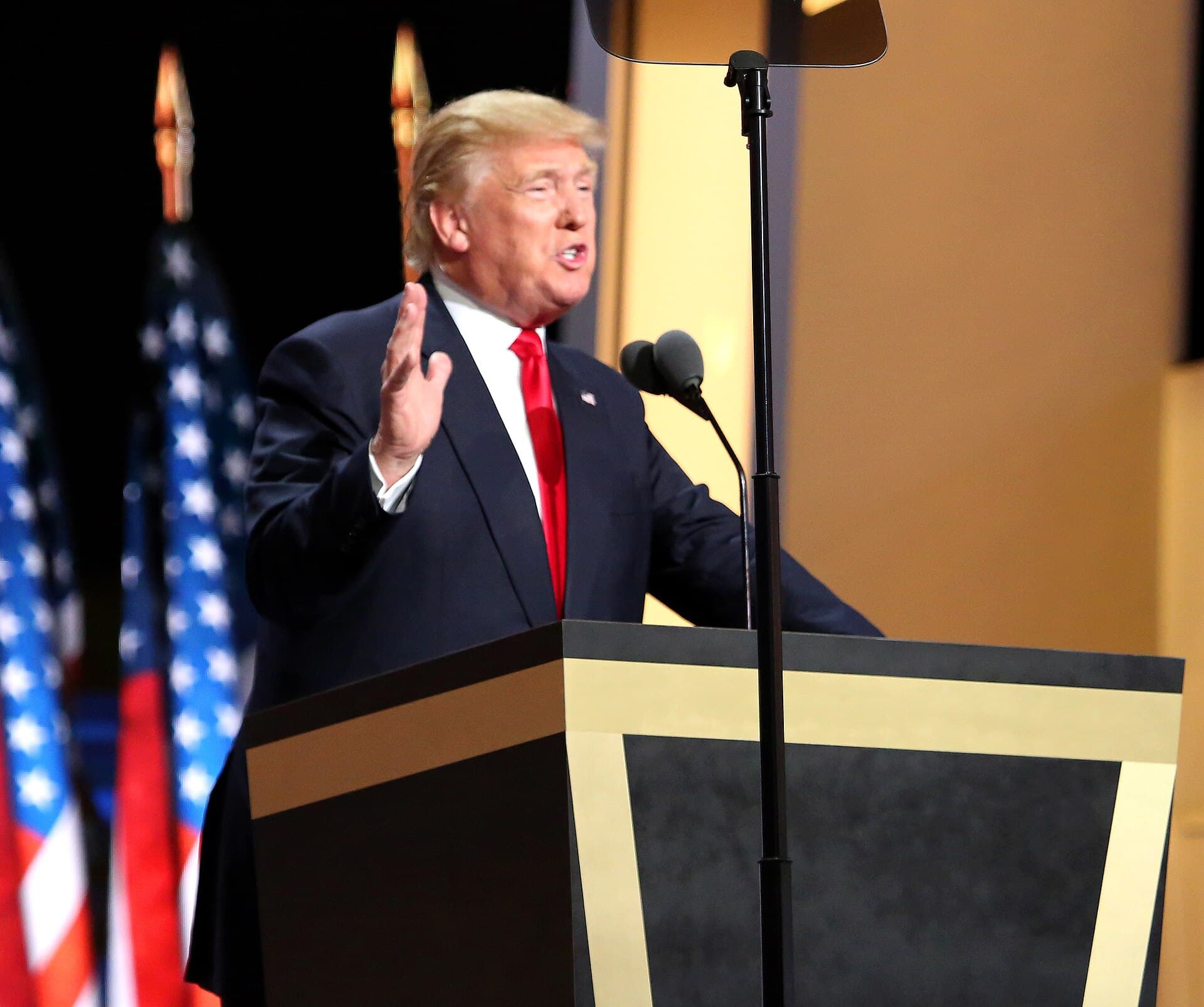
United States President Donald Trump announced what he characterized as a major trade agreement with the Philippines during a state visit to Manila on Wednesday. Speaking at a luncheon hosted at the Malacañang Palace, the president described the outcome as a significant achievement, asserting that the arrangement would provide substantial benefits to American farmers and the domestic energy sector. He further suggested that the negotiations concluded rapidly, marking a notable milestone in his administration’s economic strategy for Southeast Asia.
Discrepancies Regarding Official Status
Despite these remarks, the narrative from the Philippine government remained markedly more reserved. Representatives for President Ferdinand Marcos Jr. stopped short of confirming a finalized trade deal. Instead, the administration stated that the two nations had reached a general understanding regarding future economic cooperation. According to official communications from the Philippine presidential office, trade representatives from both Washington and Manila have been tasked with translating these broad commitments into specific, actionable initiatives in the coming period.
When questioned directly about the existence of a formal contract, Jose Manuel Romualdez, the Philippine ambassador to the United States, confirmed that no documentation had been signed by either party. This lack of a formal agreement prompted questions regarding whether the arrangement is currently operational or if government agencies are still in the preliminary stages of negotiation.
Economic Implications and Diversification Goals
While definitive terms regarding tariff structures, import quotas, or specific purchase commitments were not disclosed by either side, Ambassador Romualdez provided insight into the scope of the discussions. He indicated that the United States offered assistance to help Manila broaden its food and energy supply chains. This aligns with statements from President Trump, who suggested on social media that the arrangement would favor American businesses operating in energy and agricultural fields, potentially connecting to previously discussed proposals involving Alaska-based gas exports.
The current trade climate between the two countries includes a historical context where Philippine goods previously faced a 19 percent tariff entering the United States, while American imports benefited from zero-tariff access. In 2024, the United States recorded a trade deficit of nearly $5 billion with the Philippines within a $23.5 billion bilateral goods market. Philippine Trade Secretary Cristina Roque had previously signaled that Manila was prepared to adjust its tariff approach, but there has been no public confirmation regarding which specific tariff lines or sectors would be impacted by the newly discussed cooperation.
Broader Regional Strategy
The announcement follows a series of recent economic initiatives across the region. Earlier in the week, President Trump claimed that Thailand had agreed to eliminate all tariffs and significant non-tariff barriers on American imports. Much like the Philippine situation, the Thai arrangement is currently undergoing a finalization process that is expected to span the coming weeks.
These developments reflect an ongoing push by the American administration to secure broader market access for domestic producers and address existing trade imbalances with major partners in Southeast Asia. As of now, the status of the Philippine engagement remains an evolving understanding rather than a concluded, binding trade treaty.
- The US and Philippines differ on whether a binding trade agreement currently exists.
- Philippine officials state that trade representatives are still working to turn preliminary understandings into concrete initiatives.
- The US has proposed helping the Philippines diversify its food and energy supplies, though specific tariff terms remain unconfirmed.
- United States President Donald Trump announced what he characterized as a major trade agreement with the Philippines during a state visit to Manila on Wednesday.
Spotted an error? · Our editorial policy
UP NEXTSanjay Kapoor Stars in ‘Unexpected – Safed Sach’ Based on 2024 Dehradun CaseOther angles · #Donald Trump
Timeline →- NewsDonald Trump Jokingly Asks White House Chief of Staff Stephen Miller About 2028 Presidential Run
- NewsTrump Backs Jensen Huang’s Return to Nvidia Amid Board Resistance and Intelligence Scrutiny
- NewsTrump Discusses Nuclear Buildup and AI Safeguards Following Trilateral Summit with Xi and Putin
- NewsTrump Threatens Heavy Taxes on US Firms Constructing Data Centers Overseas
More from World Politics
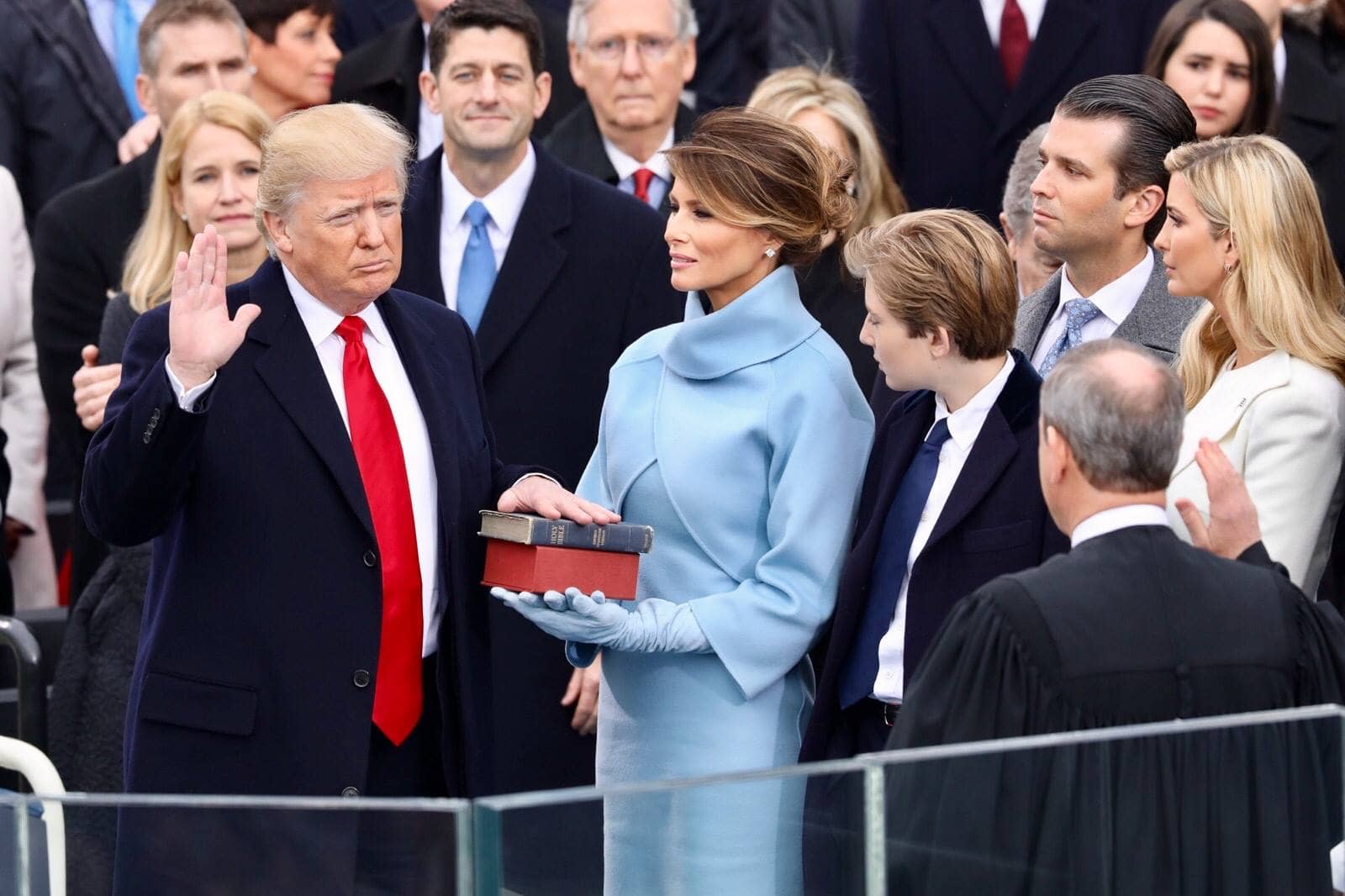
Donald Trump Jokingly Asks White House Chief of Staff Stephen Miller About 2028 Presidential Run
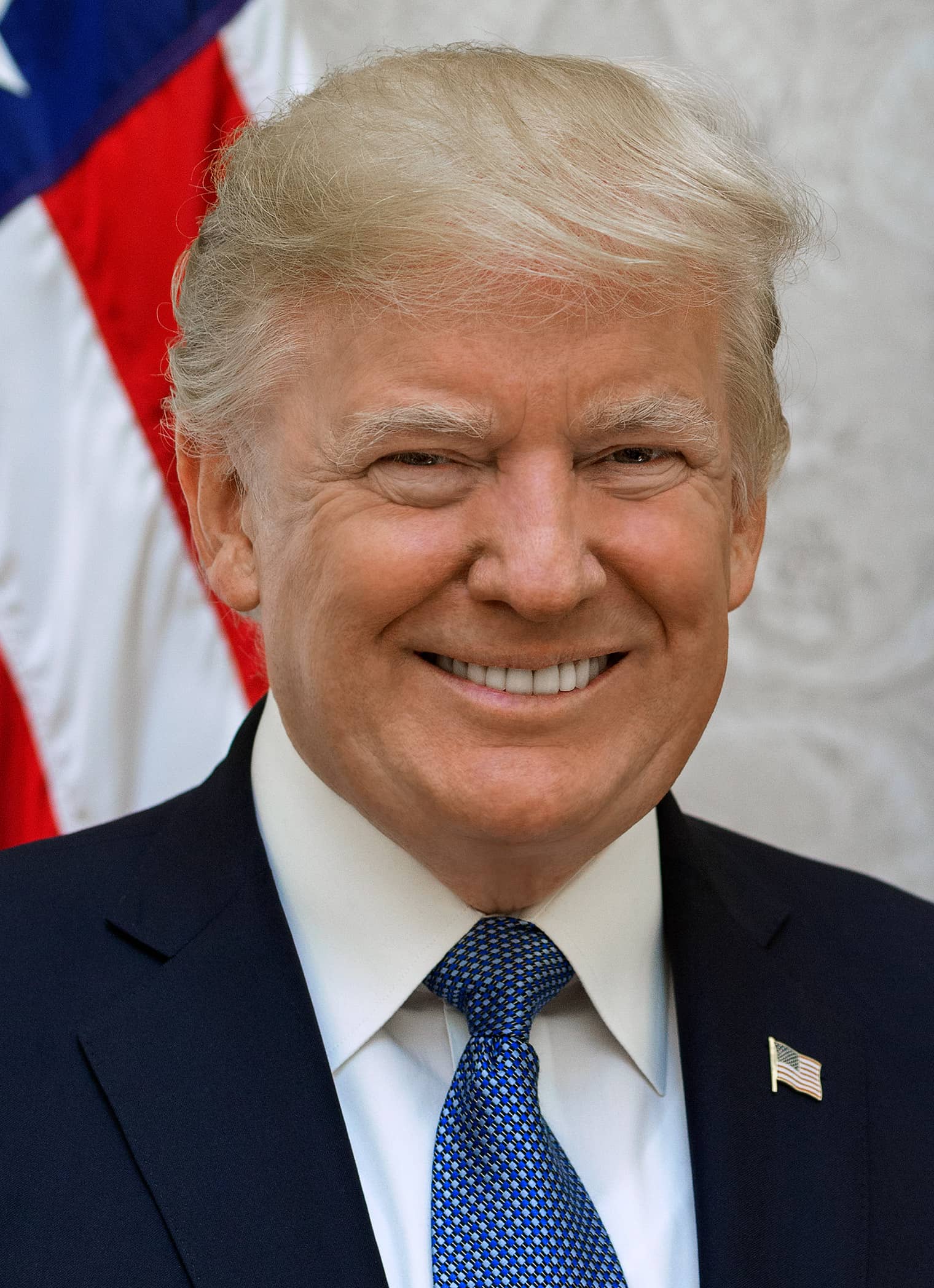
Trump Discusses Nuclear Buildup and AI Safeguards Following Trilateral Summit with Xi and Putin
Trump Threatens Heavy Taxes on US Firms Constructing Data Centers Overseas