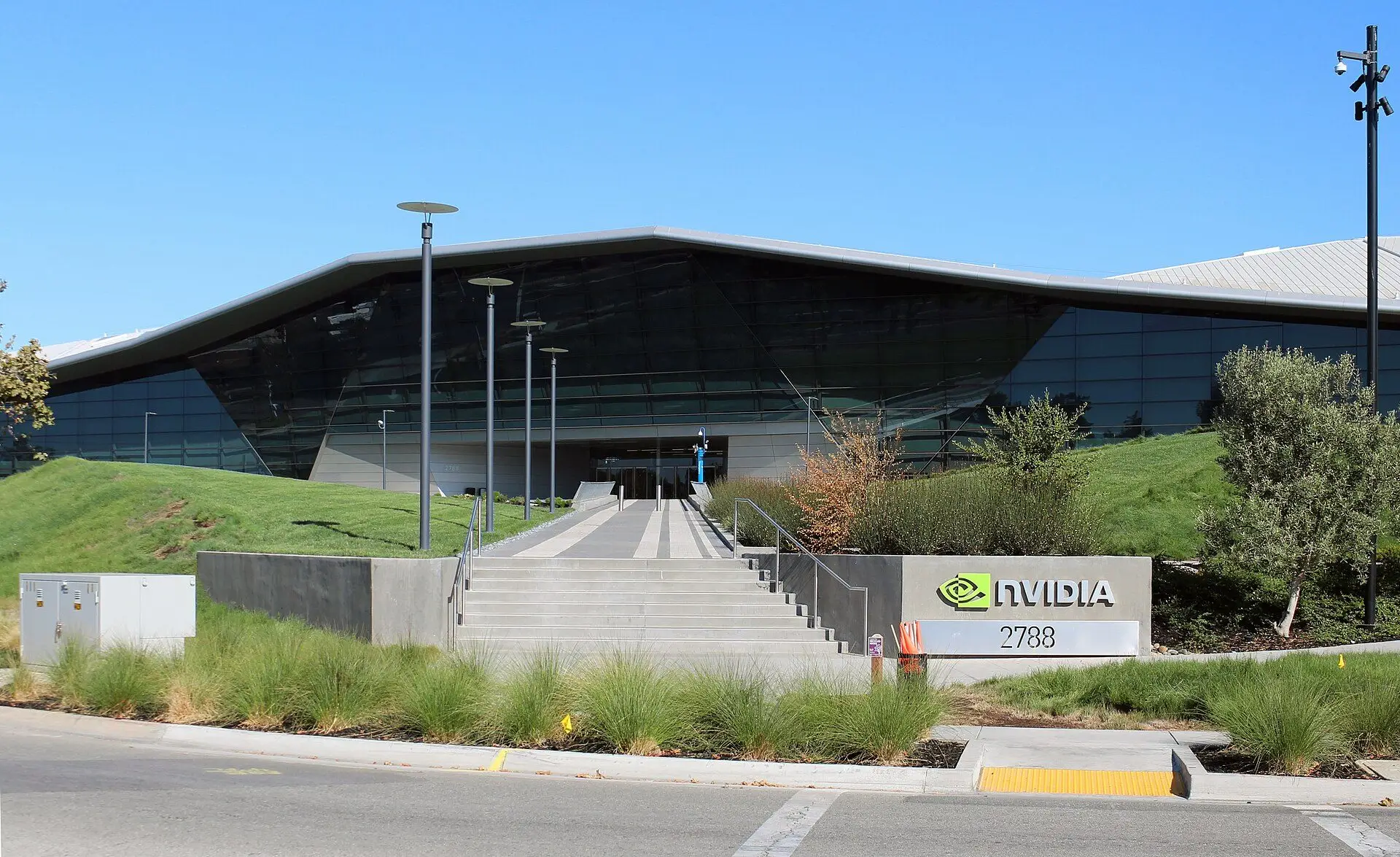
Chinese Intelligence Agency Spearheaded Two-Year Campaign to Acquire Advanced AI Chips, Reports Reveal
Intelligence officials from multiple nations reveal that China’s Ministry of State Security operated a multi-year campaign to secure advanced semiconductor chips and map global supply chains.

- China's Ministry of State Security ran a two-year campaign to acquire advanced chips and bypass Western export curbs.
- The operation was led by MSS chief Chen Yixin as part of President Xi Jinping's technological self-reliance push.
- US authorities are investigating businesswoman Alice Huang over alleged ties to Chinese intelligence and Nvidia-linked data centers.

China's Ministry of State Security (MSS) orchestrated a multi-year intelligence campaign aimed at acquiring advanced semiconductor chips and mapping out global supply chains to bypass Western export restrictions. Serving and former intelligence and security officials from the United States, Asia, and Europe detailed that the operation has run for at least two years. The effort involved a specialized working group established by the MSS under the leadership of agency chief Chen Yixin, assisting Chinese entities in procuring and smuggling high-end computing components while simultaneously gathering data on global semiconductor infrastructure.
Leadership and Political Drive for Technological Autonomy
The Ministry of State Security campaign operates as a component of a wider national initiative directed by Chinese President Xi Jinping to attain technological self-sufficiency in response to trade curbs imposed by the United States and its allies. The Communist Party coordinates the overarching strategy through the Central Science and Technology Commission, formed in 2023 under the direction of Politburo Standing Committee member Ding Xuexiang. State security minister Chen Yixin, who assumed leadership in late 2022, has repeatedly characterized countering technological blockades as a core mandate of his agency. In April, public writings in a Communist Party journal cited by investigators highlighted Chen's directives to intensify opposition against technological restrictions and drive artificial intelligence innovation.
Corporate Networks, Funding, and Defense Ties
Investigations into the operation highlight scrutiny surrounding Chinese businesswoman Alice Huang, whom American officials allege collaborated with Chinese intelligence to spy on Nvidia co-founder and former chief executive Jensen Huang. Prior findings from independent intelligence firm Strider Technologies and corporate document reviews indicated that approximately USD 3.6 billion in Chinese state backing flowed through enterprises connected to Alice Huang's family or business associates, supporting technology infrastructure projects equipped with Nvidia chips. Available research, however, did not verify whether the Chinese military utilized the computing capacity of those data centers.

Corporate records show ties between Alice Huang's family network and businesses linked to China's defense apparatus. Her sister, Huang Yu, and investor Kang Wei held interests in data center operators such as Shanghai-based Century Litong and Century Longteng. Subsequent acquisitions by Jiangsu Lettall Electronic linked the network to Nanjing Jinning Microwave, a manufacturer supplying components for Chinese radar and missile systems. Furthermore, Alice Huang operated Singapore-based Megaspeed, a data center firm that acquired billions of dollars in Nvidia chips and supplied high-end computing power to domestic Chinese enterprises. The US Justice Department is currently investigating Megaspeed over suspected unlawful shipments of advanced processors.
United States Regulatory Responses
In response to these supply chain channels, American authorities are evaluating whether Megaspeed facilitated the provision of Nvidia chips to research facilities connected to the Chinese military. US officials are working to close regulatory gaps that permit Chinese organizations to access high-end computing power via overseas data centers. Consequently, the administration announced a new regulatory framework requiring foreign-located data centers to secure government licensing before providing large volumes of computing capacity to entities headquartered in restricted jurisdictions, including China, Russia, and Iran. This restriction is slated to take effect in approximately 90 days, while investigations into Alice Huang's alleged intelligence role and connections to the People's Liberation Agency continue. Beijing has formally dismissed the espionage accusations as entirely fabricated.
- China's Ministry of State Security directed an operation to acquire advanced AI chips and bypass export restrictions.
- Corporate networks linked to businesswoman Alice Huang received billions in state funding and purchased large volumes of Nvidia processors.
- The US administration introduced new rules requiring overseas data centers to obtain licenses before supplying computing power to restricted nations.
- China's Ministry of State Security (MSS) orchestrated a multi-year intelligence campaign aimed at acquiring advanced semiconductor chips and mapping out global supply chains to bypass Western export restrictions.
Spotted an error? · Our editorial policy
UP NEXTEngland All-Rounder Will Jacks Ruled Out of Australia Tour Following Hand FractureOther angles · #Artificial Intelligence
Timeline →- NewsChinese Espionage Agency Prioritizes Advanced AI Chips to Counter Western Export Controls
- NewsUS President Trump Threatens Heavy Tax on American Companies Building AI Data Centers Overseas
- NewsGlobal Economic Expansion to Stay Resilient in 2027 Driven by Public and Private Expenditure, Says J.P. Morgan
- NewsGoogle Announces $5 Million Funding for IIT Kharagpur to Advance AI Research
More from World Politics
Chinese Espionage Agency Prioritizes Advanced AI Chips to Counter Western Export Controls

India and China Conclude Second Round of Corps Commander Talks on Arunachal Frontier
Shashi Tharoor Criticizes Demonetisation While Playing GTA 6 as the Game Sets Global Records