Bilawal Bhutto-Zardari Criticises Pakistan Coalition Government Over Jailed Former Prime Minister Imran Khan
Pakistan Peoples Party chairman Bilawal Bhutto-Zardari has publicly designated jailed former prime minister Imran Khan a political prisoner, criticising the ruling coalition administration led by Prime Minister Shehbaz Sharif.

- Bilawal Bhutto-Zardari declared Imran Khan a political prisoner during an appearance at the Karachi Press Club.
- The Pakistan Peoples Party remains a coalition partner supporting Prime Minister Shehbaz Sharif's federal government.
- Tensions between the coalition allies have escalated due to proposals by Interior Minister Mohsin Naqvi regarding new provinces.
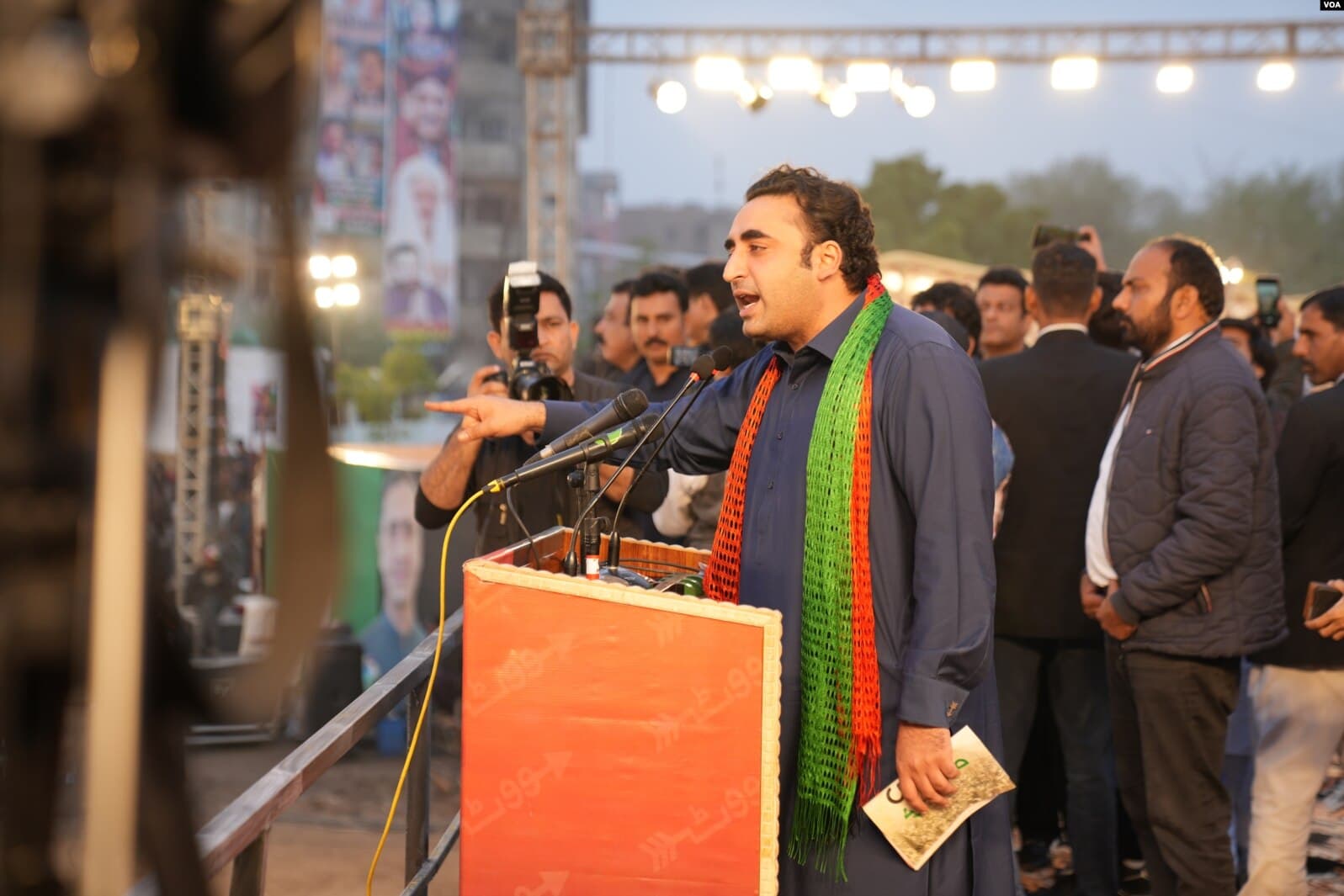
Pakistan Peoples Party chairman Bilawal Bhutto-Zardari has publicly designated jailed former prime minister Imran Khan a political prisoner, directing sharp criticism at the ruling coalition administration led by Prime Minister Shehbaz Sharif. Speaking at a press event in Karachi, the political leader questioned the historical pattern of detaining former heads of government in the country and called for an end to ongoing political victimisation.
Coalition Tensions and Governance Realities
The remarks highlight mounting friction within the governing alliance that was formed following the disputed parliamentary elections in February 2024. Neither major faction secured an outright majority independently, leading the Pakistan Peoples Party to support Shehbaz Sharif in establishing a federal administration without taking initial cabinet seats, while Asif Ali Zardari assumed the national presidency in March 2024. Despite maintaining this legislative backing, the alliance has faced severe strain over policy directions and administrative proposals.
Addressing reporters, the party chairman asserted that national governance cannot proceed effectively without including the opposition party. He emphasised the necessity of rebuilding trust with the political grouping led by the detained former leader, acknowledging that while mistakes were made by all sides, political stability requires broad-based consensus rather than continuous cycles of retribution against rivals.
Questions Over Judicial and Political History
Reflecting on the frequency of imprisonments among former national leaders since independence in 1947, the chairman posed critical inquiries regarding the legitimacy of successive legal actions. He noted that leaders routinely alternate between holding executive office and serving prison sentences, framing the dilemma around two stark possibilities concerning historical integrity.
He questioned whether every individual who attained the office of prime minister was fundamentally dishonest or if successive administrations had consistently weaponised the judicial apparatus against political opponents. Urging a decisive break from past practices, he maintained that political detainees must eventually be released to foster a functional democratic environment.
Disputes Over Territorial Administration and Reforms
Underlying the current political discord are sharp disagreements regarding proposed administrative changes, specifically a push by Interior Minister Mohsin Naqvi to conduct a referendum concerning the creation of new administrative provinces. Representatives of the Pakistan Peoples Party expressed strong opposition, alleging that neither the party leadership nor the head of state was consulted prior to the announcement.
These territorial proposals triggered deep anxieties regarding regional political influence, particularly within Sindh and Balochistan, where the party holds traditional strength and regional governance authority. Previous friction also erupted over disputed electoral processes in territories administered across the Line of Control, prompting warnings regarding the stability of the federal administration.
Imprisonment Status and Health Concerns
The former prime minister, who held office from 2018 until his removal in 2022, has remained incarcerated at Adiala Jail in Rawalpindi following an initial arrest in August 2023. Serving custodial sentences related to corruption allegations, he has consistently denied all wrongdoing and maintained that the legal proceedings against him are politically motivated.
Recent statements from his supporters highlight growing anxiety regarding his physical well-being in confinement, with legal representatives seeking urgent medical attention. The opposition faction continues to allege that the current administration and military leadership orchestrated a coordinated campaign to bar their participation from the political sphere entirely.
- Bilawal Bhutto-Zardari criticised the Sharif government's approach to political detainees during a press interaction in Karachi.
- The Pakistan Peoples Party expressed frustration over not being consulted regarding a proposed referendum on new provinces.
- Imran Khan continues to serve prison sentences at Adiala Jail while denying all corruption allegations.
Spotted an error? · Our editorial policy
UP NEXTMax Verstappen inherits Las Vegas Grand Prix pole after Kimi Antonelli penaltySwipe more stories · World PoliticsQuick cards, a few lines each. Tap to open.More from World Politics
Donald Trump Jokingly Asks White House Chief of Staff Stephen Miller About 2028 Presidential Run
Trump Discusses Nuclear Buildup and AI Safeguards Following Trilateral Summit with Xi and Putin
Trump Threatens Heavy Taxes on US Firms Constructing Data Centers Overseas