Bangladesh Rejects Alleged Indian Conditions for Sheikh Hasina’s Extradition
The Bangladeshi government has dismissed claims that India attached conditions to the potential return of deposed leader Sheikh Hasina, asserting that her legal proceedings remain a domestic matter.

- Bangladesh officials denied that India set conditions for Sheikh Hasina's return.
- Hasina was convicted in absentia in 2025 on charges related to the 2024 protests.
- Dhaka has requested Hasina's return through an extradition treaty, while she has separately requested new travel documents.
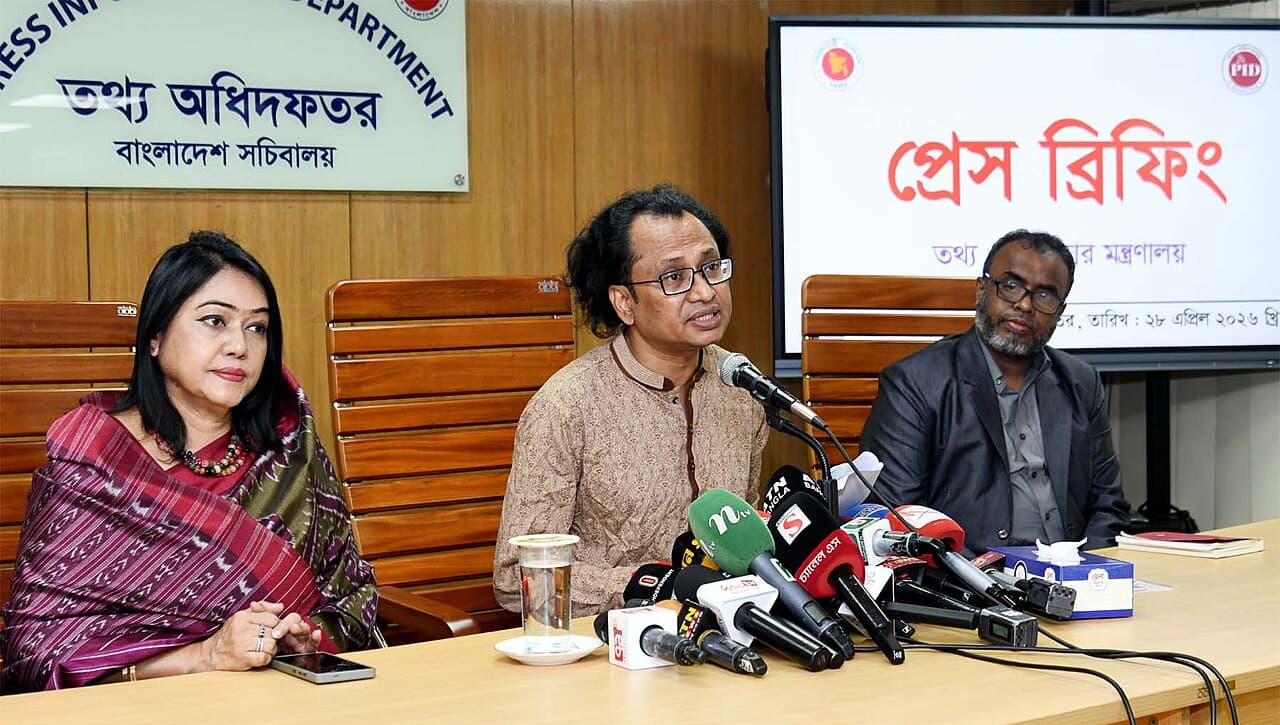
The administration in Dhaka has formally challenged reports suggesting that New Delhi set specific prerequisites for the repatriation of former Prime Minister Sheikh Hasina. On Tuesday, Information Adviser Zahed Ur Rahman emphasized that Bangladesh operates as a sovereign nation with established legal frameworks, explicitly rejecting the notion that any external power can dictate the terms of her return.
Disputed Claims of Extradition Conditions
The official response follows media coverage that suggested Indian authorities had sought procedural guarantees before facilitating Hasina's movement from India, where she has resided since her departure in August 2024. These reports alleged that India requested the Bangladesh Army to receive the former leader either via military transport or at a land border crossing. Additionally, it was claimed that New Delhi demanded judicial safeguards, specifically regarding the right to appeal a capital sentence and the provision for a new trial. Zahed Ur Rahman noted his disbelief that such conditions were ever proposed, and State Minister for Foreign Affairs Shama Obaid Islam further denied that any such negotiations occurred between the two governments.
Legal Standing and Extradition Procedures
Bangladesh has maintained that its request for Hasina's extradition is grounded in the existing bilateral treaty. According to Law Minister M Asaduzzaman, the government has finalized the necessary documentation and procedural requirements, placing the burden of the next steps on Indian authorities. Hasina was convicted in November 2025 by the International Crimes Tribunal for her involvement in the suppression of protesters during the unrest of 2024. She was sentenced to death on one count and received a life sentence on another, both delivered in absentia, a process she has consistently contested.
Domestic Legal Interpretations
A significant point of contention concerns whether Hasina would be granted the opportunity to challenge her verdict upon her arrival in Bangladesh. While the government maintains its legal stance, the Law Minister clarified that the Supreme Court's Appellate Division lacks the authority to overlook appeal deadlines in cases involving crimes against humanity due to specific legislative constraints enacted by previous administrations. Despite these official assertions, various legal experts have suggested that the enforcement of such sentences is not guaranteed, pointing to past judicial precedents where death-row convicts were granted bail and the potential for divergent interpretations of national law.
Political Developments Following Ouster
The geopolitical landscape of the region has shifted notably since Hasina's departure. The interim administration that followed her removal proceeded to dismantle the Awami League, the party she led for fifteen years. This move, which received support from the current governing coalition, represents a profound departure from the party's historic role during the nation's 1971 liberation struggle. The transition of power has resulted in a significant recalibration of domestic political structures.
Ongoing Plans for Repatriation
Hasina has publicly signaled an intention to return home voluntarily before the end of the calendar year to face the judicial system, regardless of the potential hazards to her safety. Her efforts toward this end include a recent request for a new passport and national identity documentation, which her legal counsel submitted to the Bangladesh High Commission in New Delhi. While the government insists her return must adhere to formal extradition protocols, the practical implementation of these procedures remains an unresolved point of diplomatic and legal deliberation.
Diplomatic Stance
India’s official position, as stated by the Ministry of External Affairs, describes the potential extradition as a legal issue to be managed through appropriate channels. Indian officials have reiterated a desire to maintain a constructive and future-oriented relationship with Bangladesh, distancing themselves from the reported stipulations regarding the handling of the former prime minister. Dhaka, meanwhile, continues to insist that its legal autonomy is paramount, asserting that the proceedings against the former leader will strictly follow domestic statutory requirements without external interference.
- Bangladesh authorities state they have completed all legal steps for an extradition request.
- Hasina has requested a new passport and intends to return voluntarily in December.
- Reports suggesting Indian military involvement or specific judicial guarantees for Hasina's return have been formally denied by Bangladeshi ministers.
Spotted an error? · Our editorial policy
UP NEXTDadasaheb Phalke International Film Festival Awards 2026: Taylor Swift and James Cameron Among WinnersOther angles · #Bangladesh
Timeline →- NewsIndia Supports Rohingya Repatriation Following Historic ICJ Genocide Ruling Against Myanmar
- NewsIndia Declines Comment on Bangladesh Leader’s Remarks Regarding Alleged Conspiracies
- NewsBangladesh Deploys Paramilitary Forces Amid Surge in Political Violence
- NewsViolence and Arson Escalates Across Bangladesh as Banned Awami League Launches Nationwide Shutdown
More from World Politics
Donald Trump Jokingly Asks White House Chief of Staff Stephen Miller About 2028 Presidential Run
Trump Discusses Nuclear Buildup and AI Safeguards Following Trilateral Summit with Xi and Putin

Trump Threatens Heavy Taxes on US Firms Constructing Data Centers Overseas