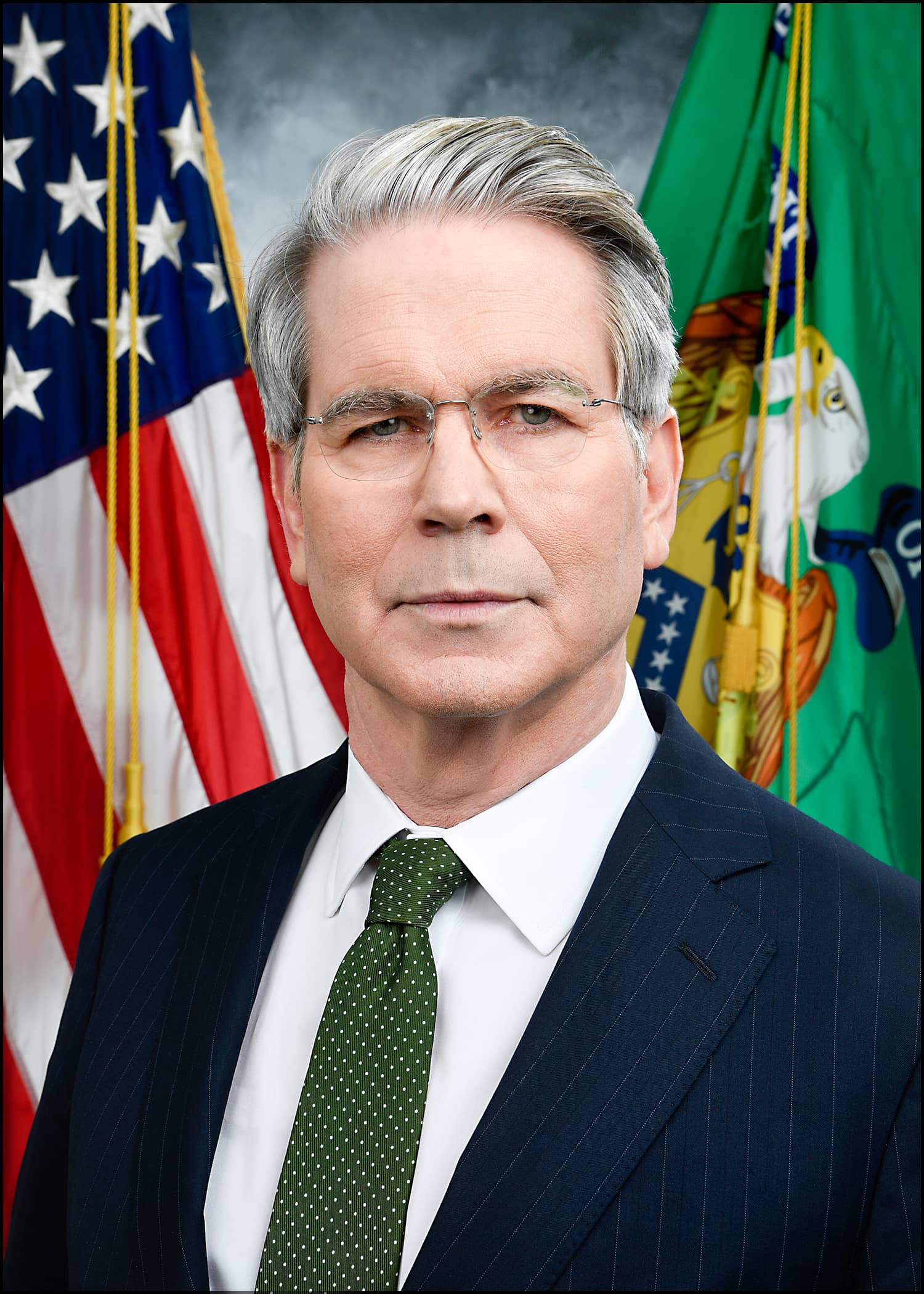
A Chronology of US and China Trade Relations Under Trump and Xi
US President Donald Trump and Chinese leader Xi Jinping have navigated a turbulent sequence of retaliatory tariffs, truces, and diplomatic meetings spanning from early 2005 to late 2006.

- Trump and Xi experienced a timeline of tariff escalations and truces starting in early 2005
- Geneva talks in May 2005 temporarily lowered tariffs into a 90-day pause
- The US Supreme Court struck down emergency fentanyl and reciprocal tariffs in February 2006
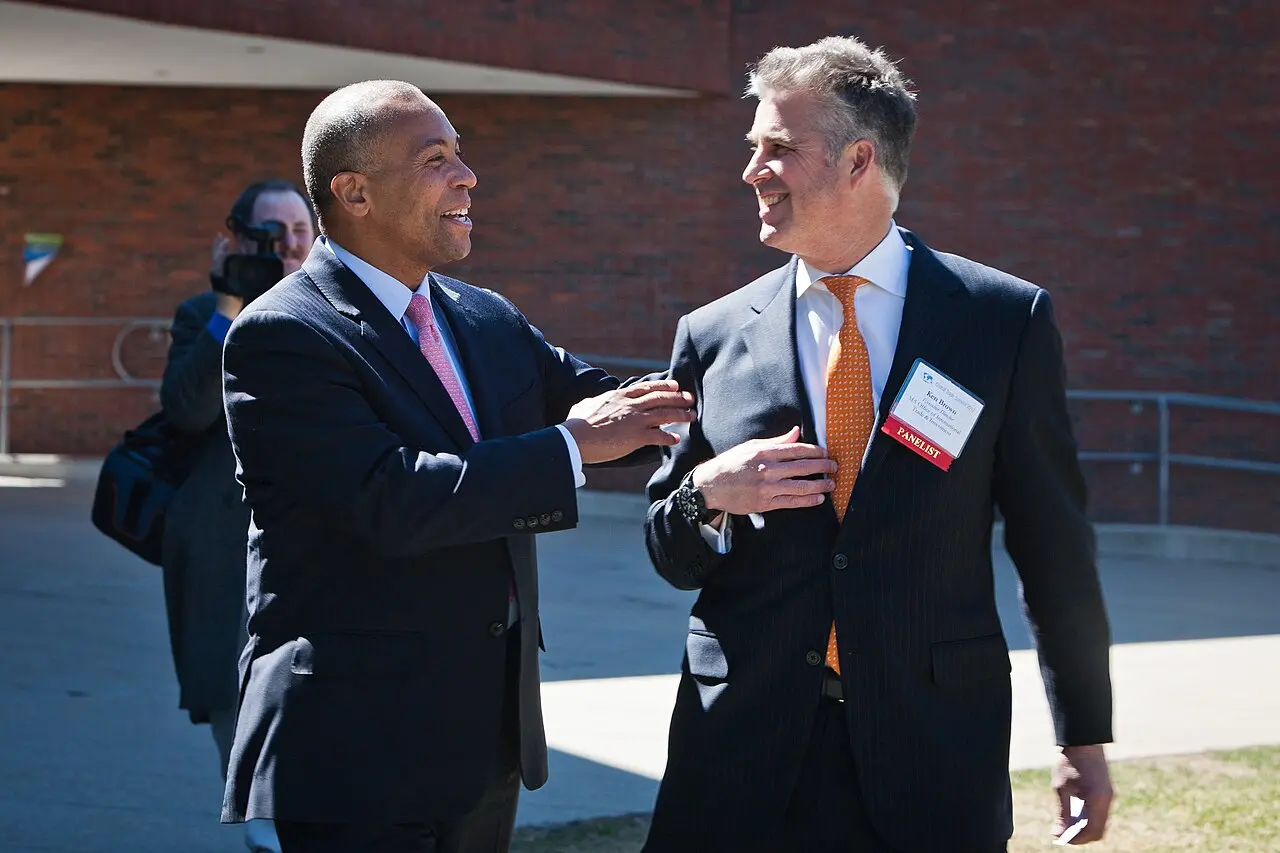
The trade relationship between the United States and China experienced significant volatility following Donald Trump's return to office. In February 2005, initial duties of 10 percent were placed on Chinese merchandise citing immigration and fentanyl worries. Beijing immediately countered by placing import duties on American liquefied natural gas, coal, crude oil, and automobiles, alongside restrictions on five strategic metals utilized in clean energy and defense sectors.
Escalation and Geneva Negotiations
Tensions intensified in March 2005 when American fentanyl-related duties doubled to 20 percent, prompting Chinese retaliatory agricultural levies affecting 21 billion dollars in exports. By April, sweeping tariffs were introduced, including a 34 percent rate directed at China. Mutual escalation quickly drove rates on both sides as high as 125 percent, accompanied by Chinese travel warnings and restrictions on rare-earth materials. Diplomatic discussions in Geneva during May established a 90-day truce, reducing American rates to 30 percent and Chinese rates to 10 percent, which was subsequently prolonged in August.
Truce Agreements and Legal Challenges
Expanded rare-earth export controls in October prompted additional American software restrictions and threats against aircraft parts. Later that month, a breakthrough occurred in South Korea where a trade understanding was reached, involving Chinese action against fentanyl precursors and soybean purchases in exchange for tariff reductions. Judicial intervention followed in February 2006 when the Supreme Court invalidated the emergency and reciprocal tariff mechanisms, leading to a temporary 10 percent global duty under alternative legal authority.
Diplomatic Summits and Recent Developments
President Trump traveled to Beijing in May 2006 to establish new investment and trade boards while securing commitments for aircraft and agricultural acquisitions. Following a July imposition of 12.5 percent duties over forced labor concerns, a September meeting at the White House yielded agreements to reduce duties on a 60 billion dollar segment of non-sensitive merchandise while delaying a comprehensive accord. By November, the nations fulfilled commitments to prolong their tariff pause by two months and convened the initial official gathering of the Board of Trade.
- Retaliatory duties reached up to 125 percent before Geneva negotiations paused the escalation
- Supreme Court rulings forced a shift to temporary global duties in early 2006
- Late 2006 summits resulted in extended tariff truces and formal trade board meetings
- The trade relationship between the United States and China experienced significant volatility following Donald Trump's return to office.
Spotted an error? · Our editorial policy
UP NEXTSanjay Kapoor Stars in ‘Unexpected – Safed Sach’ Based on 2024 Dehradun CaseOther angles · #Donald Trump
Timeline →- NewsDonald Trump Jokingly Asks White House Chief of Staff Stephen Miller About 2028 Presidential Run
- NewsTrump Backs Jensen Huang’s Return to Nvidia Amid Board Resistance and Intelligence Scrutiny
- NewsTrump Discusses Nuclear Buildup and AI Safeguards Following Trilateral Summit with Xi and Putin
- NewsTrump Threatens Heavy Taxes on US Firms Constructing Data Centers Overseas
More from World Politics
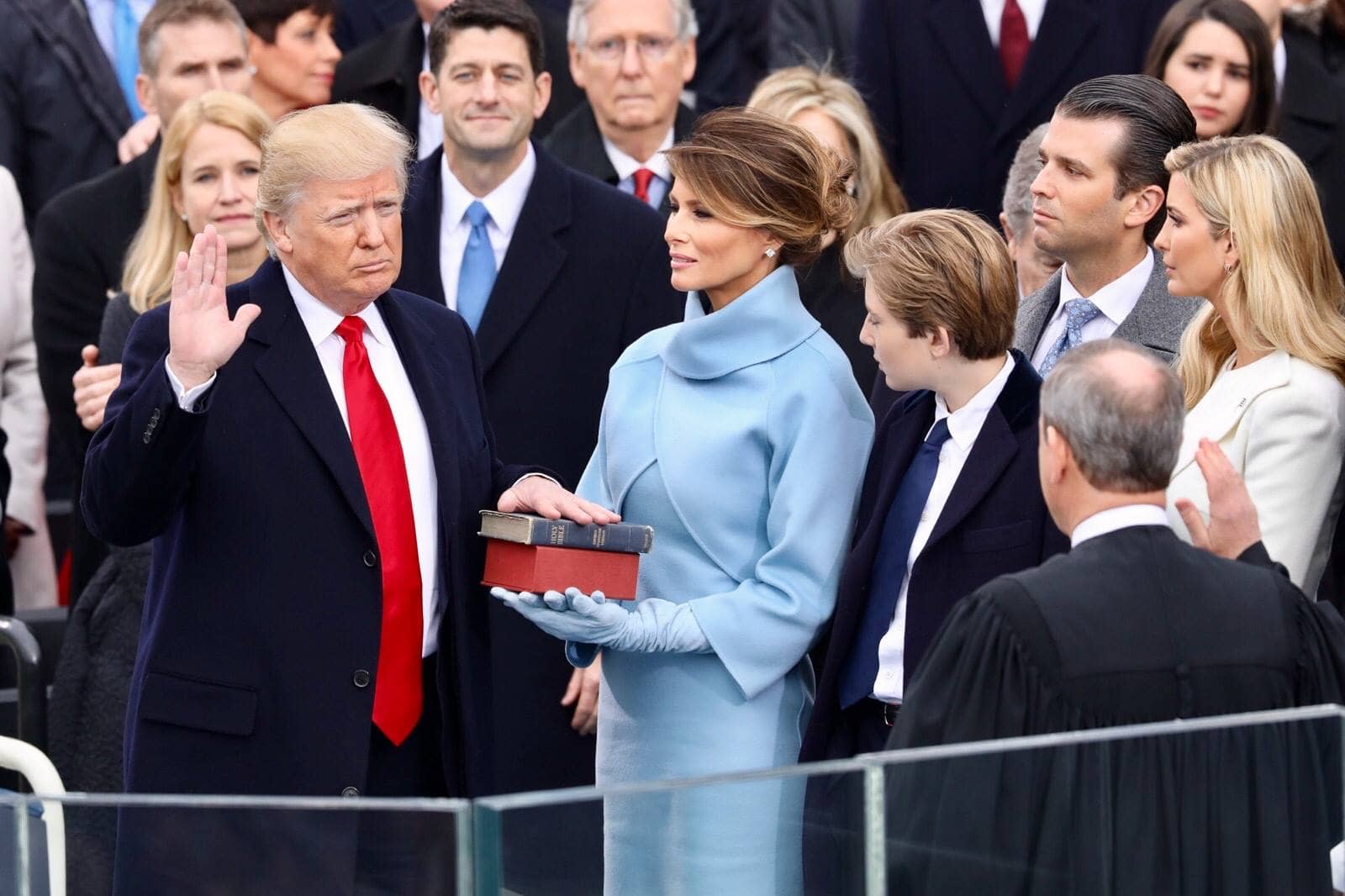
Donald Trump Jokingly Asks White House Chief of Staff Stephen Miller About 2028 Presidential Run
Trump Discusses Nuclear Buildup and AI Safeguards Following Trilateral Summit with Xi and Putin

Trump Threatens Heavy Taxes on US Firms Constructing Data Centers Overseas