United Launch Alliance Vulcan Rocket Suffers First Total Failure, Destroying 40 Amazon Satellites
A United Launch Alliance Vulcan rocket failed ten minutes into its flight from Florida, resulting in the loss of forty Amazon Leo broadband internet satellites.

- A ULA Vulcan rocket failed ten minutes into flight, destroying 40 Amazon Leo internet satellites.
- The incident marks the first total mission failure in the history of United Launch Alliance.
- Amazon has booked 38 launches with ULA to build out its planned satellite internet constellation.
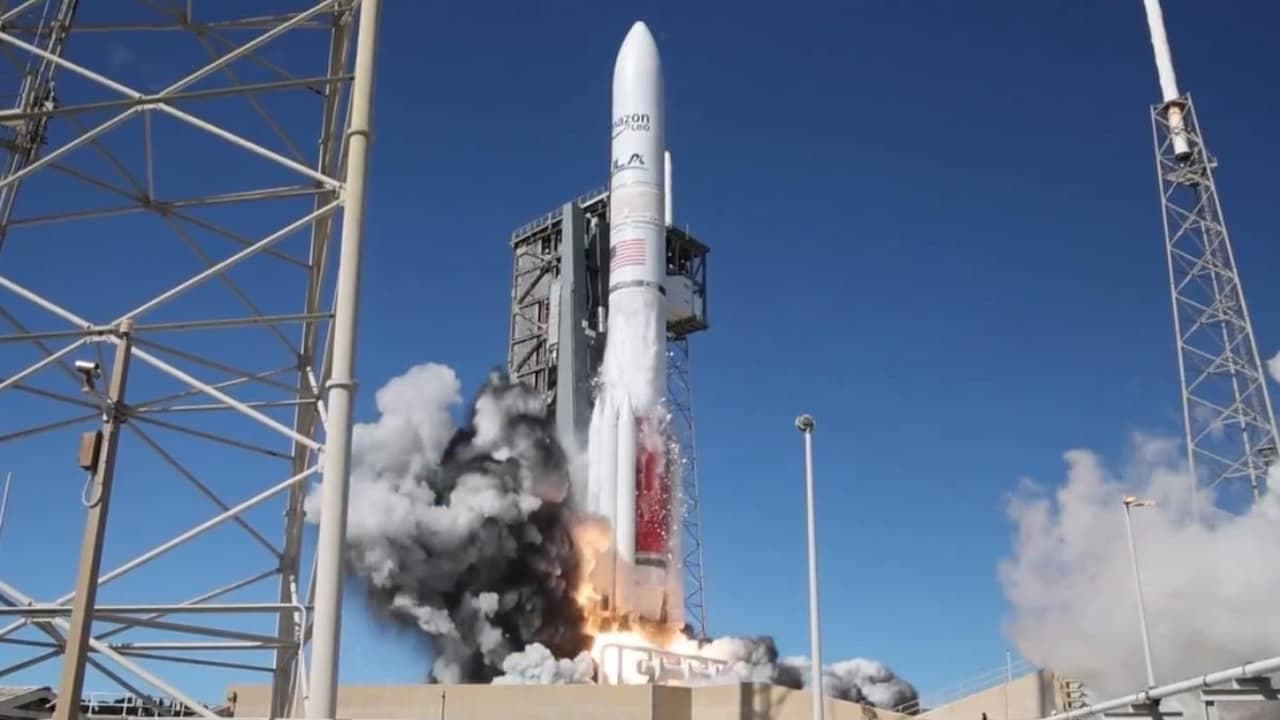
A United Launch Alliance Vulcan rocket encountered a critical anomaly approximately ten minutes after lifting off from Space Launch Complex 41 at Cape Canaveral, Florida. The mission, which carried forty broadband internet satellites for Amazon, failed to reach orbit. Operating as a joint venture between Lockheed Martin and Boeing established in 2006, the launch provider experienced its first total mission failure in its history.
Flight Timeline and Telemetry Anomalies
The vehicle departed the launch pad at 12:40 pm EST. Initial procedures unfolded as planned, with six solid rocket boosters burning out and separating roughly one minute and forty seconds into the ascent. However, subsequent flight data indicated that the core stage engines, manufactured by Blue Origin, operated past their scheduled duration. Separation involving the upper stage, designated as the Centaur, also experienced delays before unusual orientation adjustments occurred ahead of the total loss of the mission.
Implications for the Amazon Leo Constellation
The destroyed payload constituted the initial batch of thirty-eight scheduled flights procured from the provider. Amazon intends to deploy a network exceeding 3,200 broadband satellites under the Amazon Leo initiative, formerly known as Project Kuiper, to establish space-based internet connectivity. Approximately four hundred spacecraft had been successfully deployed prior to the incident, with commercial service targeting a 2026 launch window.
Investigation and Industry Context
Representatives for the launch operator stated that specific telemetry data required to diagnose the root cause remains under review. The mission utilized BE-4 engines burning liquefied methane and liquid oxygen, which underwent valve modifications following a prior ground test anomaly involving a different rocket model earlier in the year. Officials from both companies stated intentions to collaborate on identifying the malfunction to resume flight operations.
- The launch departed from Cape Canaveral on November 15 carrying broadband hardware.
- The upper stage and core engines exhibited unusual telemetry before telemetry ceased.
- Amazon previously placed orders for thirty-eight total flights with the provider.
Spotted an error? · Our editorial policy
UP NEXTPrime Minister Narendra Modi Visits IIT Kharagpur for Platinum Jubilee CelebrationsSwipe more stories · TechnologyQuick cards, a few lines each. Tap to open.More from Technology

Anthropic Researcher Claims AI-Assisted Proof for the Riemann Hypothesis

Grand Theft Auto VI Becomes Largest Entertainment Launch in History

Trump Backs Jensen Huang’s Return to Nvidia Amid Board Resistance and Intelligence Scrutiny