Samsung Reportedly Plans Biennial Galaxy Watch Cycle and Strategic Production Shifts
Samsung Electronics is reportedly moving away from its annual smartwatch release schedule to adopt a two-year cycle, with plans to skip a new Galaxy Watch model in 2027.

- Samsung is reportedly shifting the Galaxy Watch lineup to a two-year release cycle, skipping a new model in 2027.
- The adjustment follows two consecutive quarters of losses for the Mobile eXperience division and rising component costs.
- Production of mid-range Galaxy A smartphones is being reduced by 20%, while higher-margin Galaxy S27 models will see increased focus.
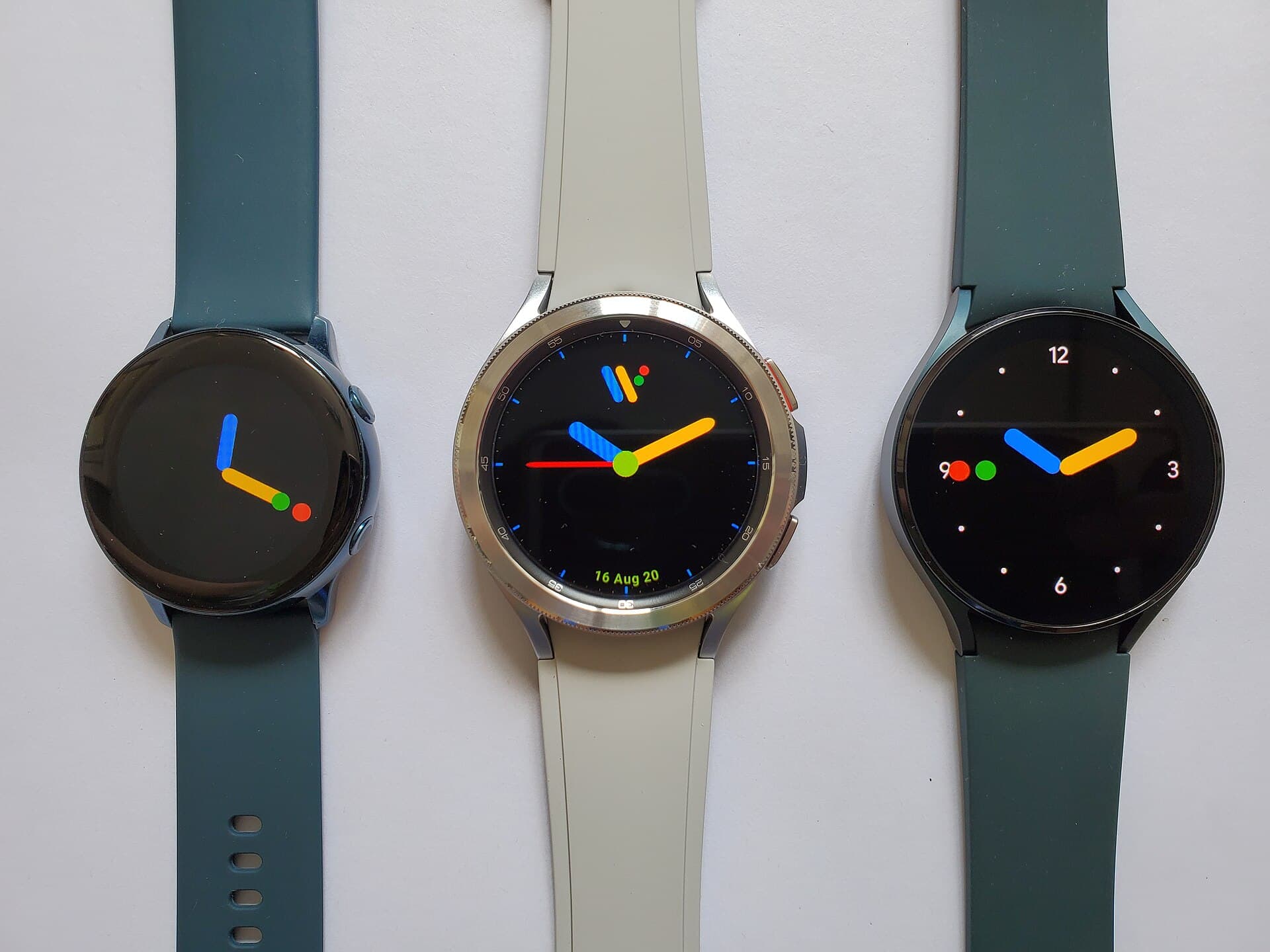
Samsung Electronics is reportedly restructuring its product release schedule by transitioning the Galaxy Watch lineup to a biennial cycle, which would mean omitting a new model release in 2027. Since the debut of the initial smartwatch model in 2018, the company has consistently maintained an annual hardware introduction framework. Industry insights indicate that this adjustment stems from efforts by the Mobile eXperience division to address profitability challenges following consecutive quarters of operating losses.
Financial Pressures and Production Adjustments
The strategic shift aligns with a broader corporate effort to mitigate rising component expenses, particularly concerning memory and application processors, a phenomenon commonly known as chipflation. To counter these pressures, Samsung is recalibrating manufacturing volumes across multiple device categories. Fourth-quarter production allocations for lower-margin mid-range Galaxy A smartphones have reportedly been scaled back by approximately 20% compared to initial forecasts. Conversely, the upcoming flagship Galaxy S27 portfolio is projected to increase the production share of higher-tier Pro and Ultra variants to 70%.
Smartwatch Market Realities and Alternative Offerings
Market observers noted that sales figures for the Galaxy Watch9 fell short of internal expectations following a retail price increase driven by escalating manufacturing costs. Furthermore, industry analysts suggest that hardware innovations in the smartwatch sector have matured, rendering yearly release cycles less economically efficient as consumers retain devices longer. According to market data from Counterpoint Research, Samsung secured a 7 percent share of the worldwide smartwatch sector, placing fourth globally, while Apple led with 23 percent.
To sustain user engagement during the impending 2027 product gap, Samsung intends to deliver ongoing software enhancements and health feature updates for current smartwatch devices. Additionally, the company plans to introduce a new entry-level Galaxy Fit smart band, leveraging a lower price point and lightweight form factor to maintain its wearable ecosystem presence without introducing a flagship watch model.
- Samsung is moving to a biennial release cycle for the Galaxy Watch, skipping 2027.
- The change aims to improve profitability amid rising component costs and slower smartwatch market growth.
- Production of lower-margin Galaxy A phones is reduced, while high-end Galaxy S27 production share increases.
- Current watches will receive software updates and a new Galaxy Fit will launch to fill the 2027 gap.
Spotted an error? · Our editorial policy
UP NEXTPrime Minister Burnham Dismisses Predecessors’ Criticism Over EU RelationsSwipe more stories · TechnologyQuick cards, a few lines each. Tap to open.More from Technology

Jensen Huang Reinstated as Nvidia Chief Executive After Eleven-Day Absence

Samsung Shifts Galaxy Watch to Biennial Release Cycle

EZVIZ Introduces H90 Dual Wi-Fi Security Camera Across Select South Asian Markets