Microsoft President Warns Global Technology Upgrades and Security Risks Could Persist for Months
Microsoft President Brad Smith cautioned that global efforts to upgrade ageing IT infrastructure and fix software vulnerabilities could take months, warning that fast-paced patching introduces technical risks.

- Microsoft President Brad Smith warned that global IT infrastructure upgrades and security fixes could take months to complete.
- The November 12 Microsoft outage was caused by a software defect interacting with a new update and traffic shift, not a cyberattack.
- Smith noted that artificial intelligence has accelerated vulnerability discovery, increasing pressure to patch systems quickly despite potential testing risks.

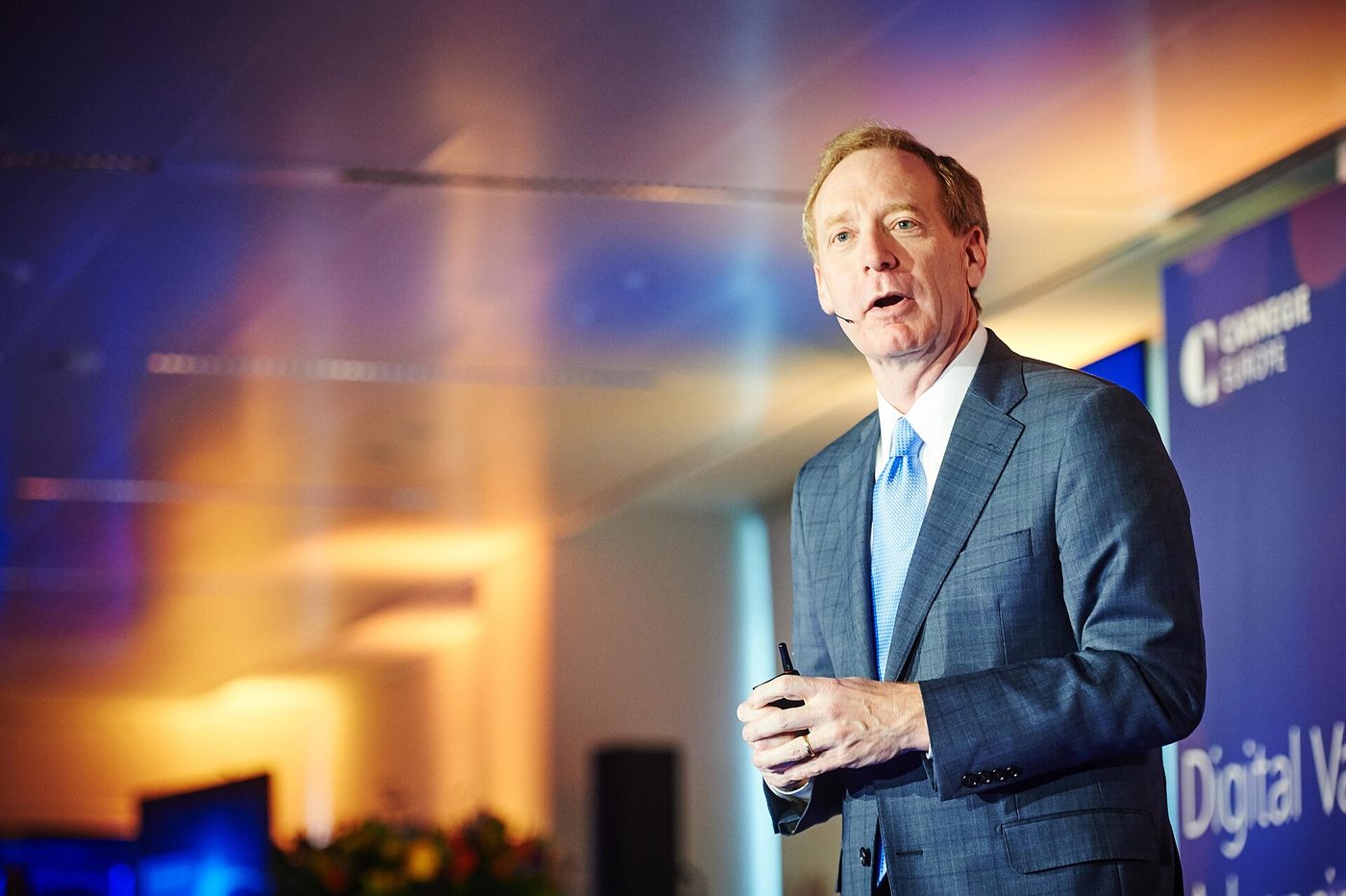
Microsoft President and Vice Chair Brad Smith has cautioned that the threat of widespread technological disruptions could remain elevated over the coming months as global organizations work to fix software vulnerabilities and replace outdated infrastructure. Speaking on a television interview, Smith explained that the scale of ongoing technology upgrades means the process will take considerably longer than a few weeks, noting that the entire information infrastructure of the world is effectively being updated.
The Cause of the Recent Microsoft Outage
Addressing the Microsoft global outage that began on November 12 and lasted nearly 24 hours, Smith apologized to customers and attributed the incident to a rare convergence of factors. The nearly day-long disruption left many Microsoft 365 customers unable to access Outlook mailboxes, while also impacting certain features in Teams and Copilot. Smith ruled out artificial intelligence and cyberattacks as causes, explaining that an internal incident report traced the root cause to a Windows defect that had gone undetected since July within servers managing Exchange Online connections. He described the failure as a perfect storm involving software updated four months prior interacting with a new update and a shift in network traffic. The company subsequently published transparency reports detailing minute-by-minute accounts, outlining nine completed remedial steps and thirteen additional measures planned.
Artificial Intelligence and Rapid Patching Pressures
Smith discussed how artificial intelligence has altered the cybersecurity landscape by making it significantly easier to identify vulnerabilities in computer code. While this development allows security teams to detect and patch flaws, it simultaneously provides malicious actors with tools to exploit those same weaknesses, creating an unprecedented race in the technology sector. Organizations are currently under intense pressure to identify and resolve security flaws rapidly to stay ahead of bad actors. However, Smith warned that deploying patches at such high speeds—particularly on older infrastructure without adequate time for thorough testing—increases the risk of subsequent technical errors and service interruptions.
Advisory Recommendations and Sector Resilience
To mitigate ongoing risks, Smith advised individuals to promptly install security updates and patches on their personal phones and laptops to maintain device safety. For corporate entities, he emphasized the necessity of modernizing legacy systems, updating patching protocols, and strengthening cooperation between the technology sector and government authorities for better threat intelligence sharing. Meanwhile, US Treasury Secretary Scott Bessent addressed separate technical glitches affecting major financial institutions such as JPMorgan Chase, reassuring the public that the US banking sector remains highly resilient. Bessent compared routine security updates at banks to receiving a medical vaccine, acknowledging temporary discomfort while highlighting long-term protection and stability.
- Global IT upgrades and software vulnerability fixes will likely take several months, according to Microsoft President Brad Smith.
- The November 12 Microsoft outage affected Exchange Online, Outlook, Teams, and Copilot due to an undetected Windows defect interacting with recent updates.
- Artificial intelligence has made it easier to find code vulnerabilities, creating a high-speed race between defenders and malicious hackers.
- US Treasury Secretary Scott Bessent stated that the American banking sector remains resilient despite recent technical glitches at major institutions.
Spotted an error? · Our editorial policy
UP NEXTPrime Minister Burnham Dismisses Predecessors’ Criticism Over EU RelationsSwipe more stories · TechnologyQuick cards, a few lines each. Tap to open.More from Technology

Jensen Huang Reinstated as Nvidia Chief Executive After Eleven-Day Absence

Samsung Shifts Galaxy Watch to Biennial Release Cycle
EZVIZ Introduces H90 Dual Wi-Fi Security Camera Across Select South Asian Markets