India Joins Global Coalition to Protect AI and Semiconductor Supply Chains
India has officially joined the San Francisco Declaration, an international initiative aimed at securing critical technology supply chains amidst evolving geopolitical competition.

- India signed the San Francisco Declaration to secure critical technology supply chains.
- The initiative is part of the Pax Silica program managed by the U.S. State Department.
- Participating nations aim to protect semiconductors, energy, and AI infrastructure as a shared responsibility.
India has formally signed the San Francisco Declaration on the Secure Foundations of Enduring Prosperity, becoming the latest nation to join a United States-led effort to safeguard critical technology infrastructure. This commitment aligns India with a growing group of countries seeking to protect key sectors—including semiconductor design, advanced manufacturing, energy systems, and critical minerals—from external vulnerabilities.
Expanding the Pax Silica Initiative
The declaration serves as a core component of Pax Silica, an ambitious U.S. State Department project launched in December 2025. This initiative is designed to foster international cooperation in securing the complex, multi-national supply chains that underpin the modern artificial intelligence landscape. According to U.S. Under-Secretary of State for Economic Affairs Jacob Helberg, the necessity for this coalition stems from the geographically fragmented nature of tech production, where chip design, fabrication machinery, and shipping logistics often span multiple borders.
By signing the declaration, member states agree to treat the security of these essential technologies and their supporting infrastructure as a shared collective responsibility. Alongside India, other recent signatories include South Korea, Qatar, and the United Arab Emirates. Further expansions are expected, with officials anticipating that Germany, Sweden, the Netherlands, and the European Commission will join in the near future. This network already comprises diverse participants, including Australia, Israel, Japan, and the United Kingdom.
Geopolitical Context and Technology Security
The push for centralized supply-chain security occurs against a backdrop of intensifying strategic rivalry involving artificial intelligence and advanced computing. The U.S. has maintained a rigorous stance on export controls regarding semiconductor manufacturing equipment and high-performance processors, intended to limit the reach of such technologies to specific competitors. Despite these measures, China has continued to advance its own large language model capabilities through firms such as DeepSeek and Moonshot AI.
India’s participation in the agreement follows a series of collaborative steps between Washington and New Delhi regarding critical and emerging technologies. Earlier this month, representatives from the Quad nations—India, the U.S., Japan, and Australia—unveiled plans for an $85 million investment to increase access to reliable AI infrastructure throughout the Indo-Pacific. Additionally, the U.S. has pledged $10 million toward critical mineral recycling efforts involving India and several ASEAN nations. These coordinated efforts are viewed as essential ahead of upcoming international diplomatic meetings, including the Quad summit in Manila and scheduled discussions between global leaders in Shenzhen.
- India is now one of 24 signatories involved in the Pax Silica initiative.
- The agreement covers security for semiconductors, energy grids, and critical minerals.
- This move is part of broader U.S.-led efforts to build resilient global supply chains for advanced technology.
- The coalition is expanding to include major European partners and regional powers in the Middle East and Asia.
Spotted an error? · Our editorial policy
UP NEXTSanjay Kapoor Stars in ‘Unexpected – Safed Sach’ Based on 2024 Dehradun CaseOther angles · #Artificial Intelligence
Timeline →- NewsAnthropic Researcher Claims AI-Assisted Proof for the Riemann Hypothesis
- NewsTrump Backs Jensen Huang’s Return to Nvidia Amid Board Resistance and Intelligence Scrutiny
- NewsTrump Discusses Nuclear Buildup and AI Safeguards Following Trilateral Summit with Xi and Putin
- NewsTrump Threatens Heavy Taxes on US Firms Constructing Data Centers Overseas
More from Technology
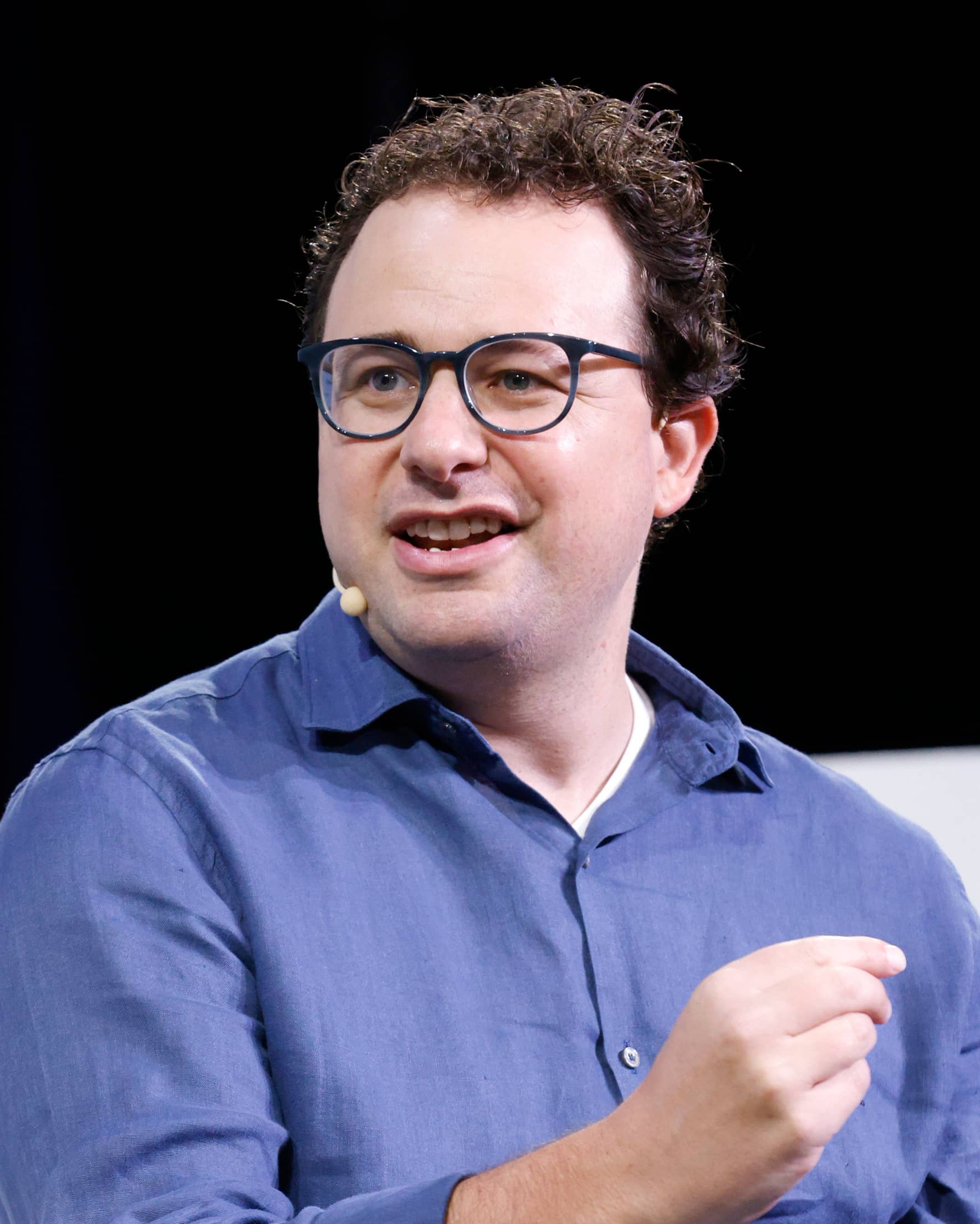
Anthropic Researcher Claims AI-Assisted Proof for the Riemann Hypothesis

Grand Theft Auto VI Becomes Largest Entertainment Launch in History
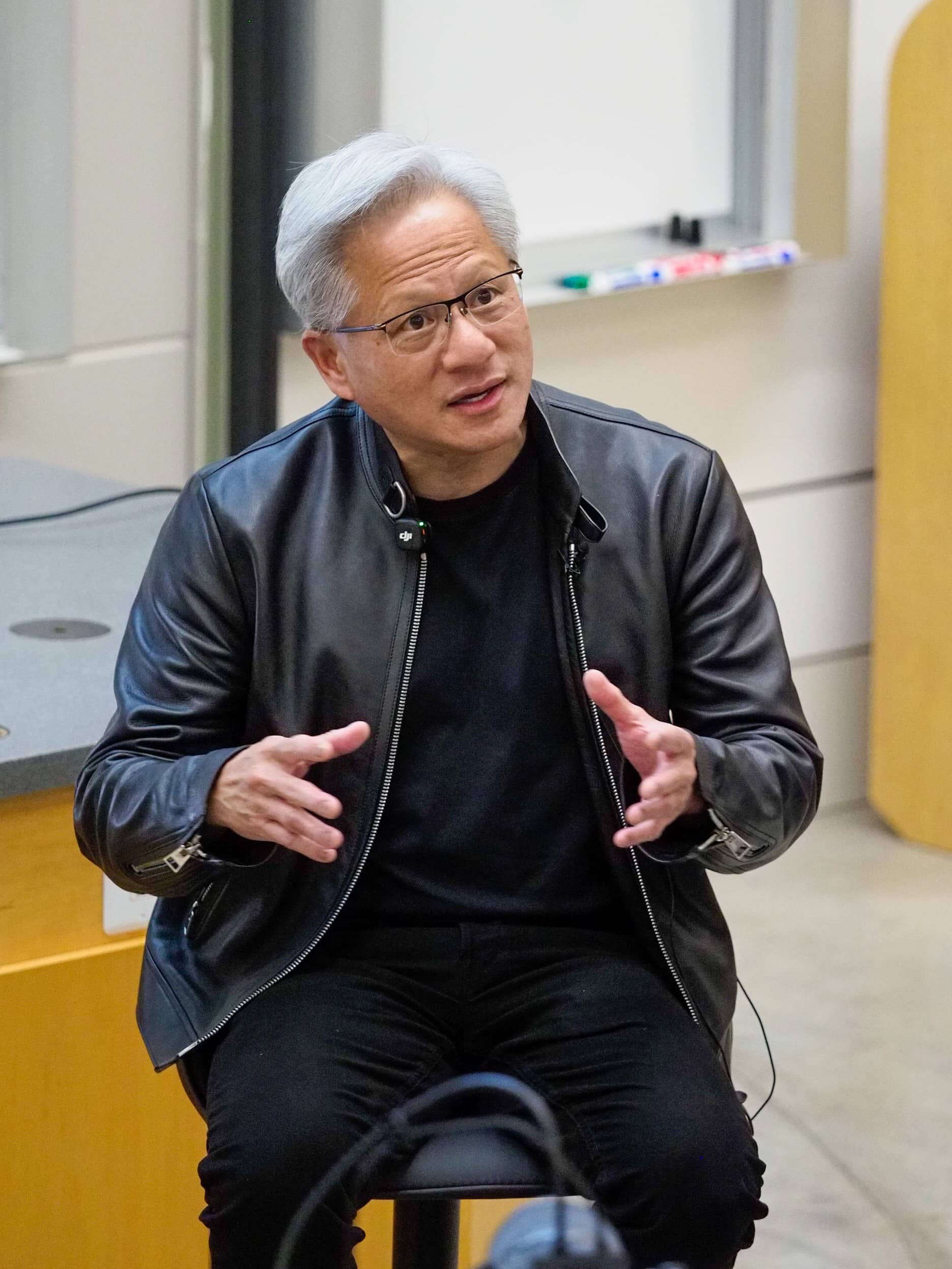
Trump Backs Jensen Huang’s Return to Nvidia Amid Board Resistance and Intelligence Scrutiny