Deutsche Bank Report Predicts India Will Become a Leading Beneficiary of AI
A new Deutsche Bank report indicates that India is well-positioned to become a major long-term beneficiary of the global artificial intelligence revolution through widespread adoption rather than cutting-edge model development.

- India can benefit from AI without building the world's most advanced models or manufacturing semiconductors.
- Rapid adoption compared to past technologies is driven by existing digital infrastructure like UPI, Aadhaar, and Jan Dhan.
- Banking, healthcare, education, and agriculture are identified as sectors with significant growth potential.
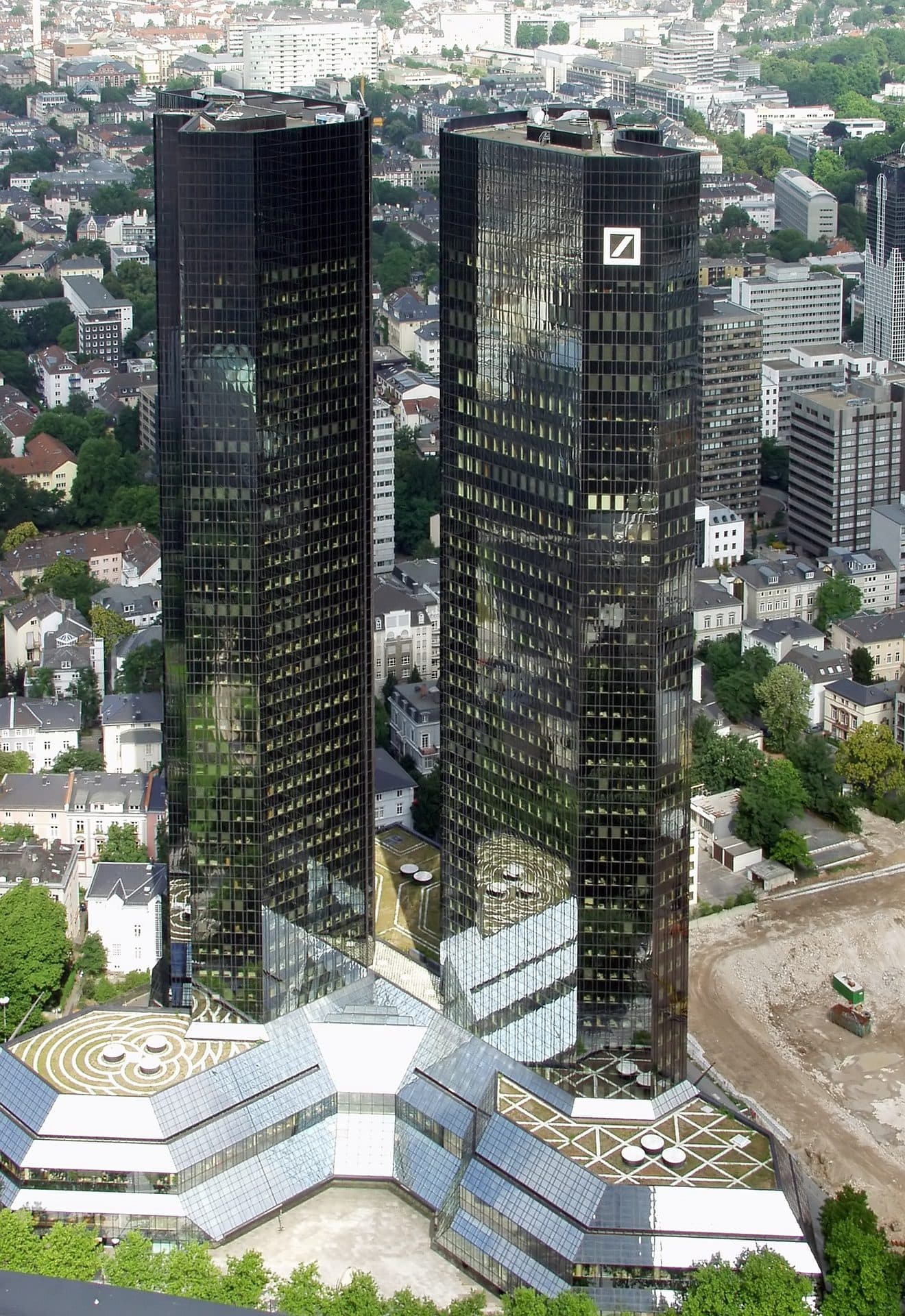
India is poised to become one of the primary long-term beneficiaries of the worldwide artificial intelligence expansion, according to findings published by Deutsche Bank. The assessment suggests that the nation does not need to build elite proprietary AI models or rival the United States and China in semiconductor hardware fabrication to capture substantial economic advantages.

Adoption Over Innovation
The analysis indicates that the principal growth driver will be the large-scale integration of existing artificial intelligence applications throughout the domestic economy. By deploying these systems, businesses and public institutions can enhance productivity and tackle persistent systemic challenges in key domestic sectors. The document points out that artificial intelligence has spread at an unprecedented pace compared to historical innovations, noting that steam power required roughly 80 years to reach developing regions, electricity took 40 years, and the internet expanded over 20 years, whereas ChatGPT attained widespread utilization within six months.
Infrastructure and Demographic Advantages
Several domestic factors support this trajectory, including a population projected to hit 1.5 billion by the year 2028, which establishes a vast domestic consumer base. Furthermore, foundational digital frameworks such as affordable internet connectivity, widespread smartphone adoption, Aadhaar, Jan Dhan financial inclusion accounts, and the Unified Payments Interface create a robust base for deployment without requiring the construction of entirely novel architectures from the ground up. Over the past decade, national internet penetration grew from 15 percent to 70 percent, while formal banking participation climbed from slightly more than half of the populace in 2014 to nearly 90 percent.
Target Sectors and Workforce Capacity
The banking, healthcare, education, and agricultural industries stand to gain considerable improvements from artificial intelligence integration. Specifically, precision agricultural techniques can assist growers in predicting harvest yields, tracking plant diseases, and optimizing farming operations. To support these deployments, the country draws upon an annual output of approximately 11 million graduates, creating an extensive talent pipeline. Additionally, commitments from both domestic conglomerates and global technology corporations position the country to develop into a prominent worldwide data center hub.
- India is projected to reach a population of 1.5 billion by 2028, creating a large market for AI services.
- Internet penetration rose from 15 percent to 70 percent over the past decade.
- Banking access expanded from just over 50 percent in 2014 to nearly 90 percent.
- India is poised to become one of the primary long-term beneficiaries of the worldwide artificial intelligence expansion, according to findings published by Deutsche Bank.
Spotted an error? · Our editorial policy
UP NEXT5.3-Magnitude Earthquake Strikes Nepal, Tremors Felt in Parts of IndiaOther angles · #Artificial Intelligence
Timeline →- NewsDonald Trump Celebrates Nvidia Reinstating Jensen Huang as CEO
- NewsGoogle Offers 50 Percent Discount on Gemini AI Subscriptions for Existing Users
- NewsMeta AI Chief Alexander Wang Warns Industry to Rethink Control Amid Superintelligence Push
- NewsChinese Espionage Agency Prioritizes Advanced AI Chips to Counter Western Export Controls
More from Technology

Donald Trump Celebrates Nvidia Reinstating Jensen Huang as CEO
Jensen Huang Reinstated as Nvidia Chief Executive After Eleven-Day Absence

Samsung Shifts Galaxy Watch to Biennial Release Cycle