Amazon Loses 40 Satellites After United Launch Alliance Vulcan Rocket Fails Mid-Flight
A Vulcan rocket operated by United Launch Alliance suffered an anomaly ten minutes after liftoff, destroying 40 satellites intended for Amazon’s internet constellation.

- Amazon lost 40 satellites after a United Launch Alliance Vulcan rocket failed ten minutes into its flight from Cape Canaveral.
- The mission was the largest batch of satellites Amazon had attempted to launch in a single flight.
- Amazon plans to deploy 3,232 satellites for its first-generation Leo internet constellation and has 38 launches booked with ULA.
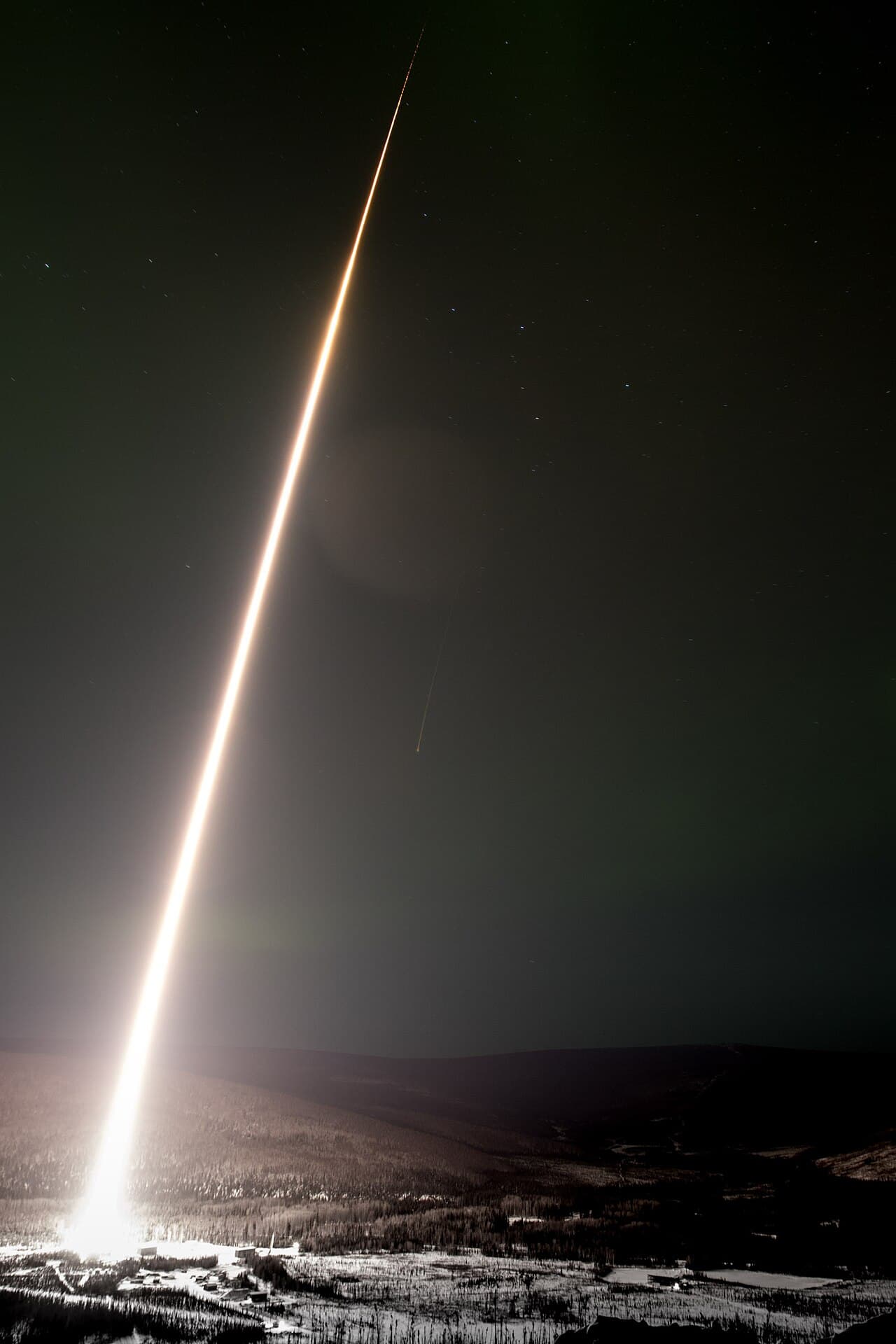
A recent launch carrying forty internet-beaming satellites for Amazon encountered a critical failure when a United Launch Alliance Vulcan rocket experienced an anomaly ten minutes into its flight. The Sunday mission lifted off at 12:40 pm local time, corresponding to 1740 GMT, from Space Launch Complex 41 at Cape Canaveral in Florida. The rocket failed to place the payload into orbit, dealing a blow to the commercial space launch provider.
Mission Failure and Immediate Aftermath
United Launch Alliance, a joint venture owned by Boeing and Lockheed Martin, stated that the cause of the issue remained undetermined immediately following the event. Representatives noted that engineers would analyze telemetry data from the flight to understand what went wrong. The company emphasized that while inaugural and early missions carry inherent risks, every flight generates information to guide future improvements.
The payload destroyed in the incident represented the largest single batch of satellites Amazon had ever attempted to send into orbit at one time. Amazon has deployed roughly 400 satellites since April 2025, but the company had not conducted any launches since July. Despite the setback, project representatives expressed confidence that the launch provider would address the technical issues and fulfill long-term contractual agreements.
Impact on Internet Constellation Plans
Amazon contracted 38 launches with United Launch Alliance, with the Vulcan rocket intended to carry nearly half of the initial generation for the Amazon Leo network. The complete first-generation constellation is designed to comprise 3,232 satellites. Corporate plans previously indicated that the commercial internet service would launch in 2026 using these deployed units.
The setback arrives as Amazon builds its orbital infrastructure to compete against rival satellite networks. Other launch partners face separate scheduling pressures. Blue Origin, founded by Jeff Bezos, has kept its New Glenn rocket grounded following a test explosion in May. Meanwhile, French provider Arianespace scheduled a launch of 36 Amazon satellites aboard an Ariane 6 rocket from Kourou in French Guiana no earlier than November 23. The incident also unfolded shortly after a rival test flight by SpaceX deployed 26 Starlink satellites and demonstrated reusable spacecraft recovery techniques.
- The failed Vulcan rocket launch occurred on Sunday afternoon in Florida.
- The root cause of the mid-flight anomaly was not immediately known.
- Amazon relies on multiple aerospace partners, including Blue Origin and Arianespace, for future satellite deployments.
Spotted an error? · Our editorial policy
UP NEXTSanjay Kapoor Stars in ‘Unexpected – Safed Sach’ Based on 2024 Dehradun CaseSwipe more stories · TechnologyQuick cards, a few lines each. Tap to open.More from Technology

Anthropic Researcher Claims AI-Assisted Proof for the Riemann Hypothesis

Grand Theft Auto VI Becomes Largest Entertainment Launch in History

Trump Backs Jensen Huang’s Return to Nvidia Amid Board Resistance and Intelligence Scrutiny