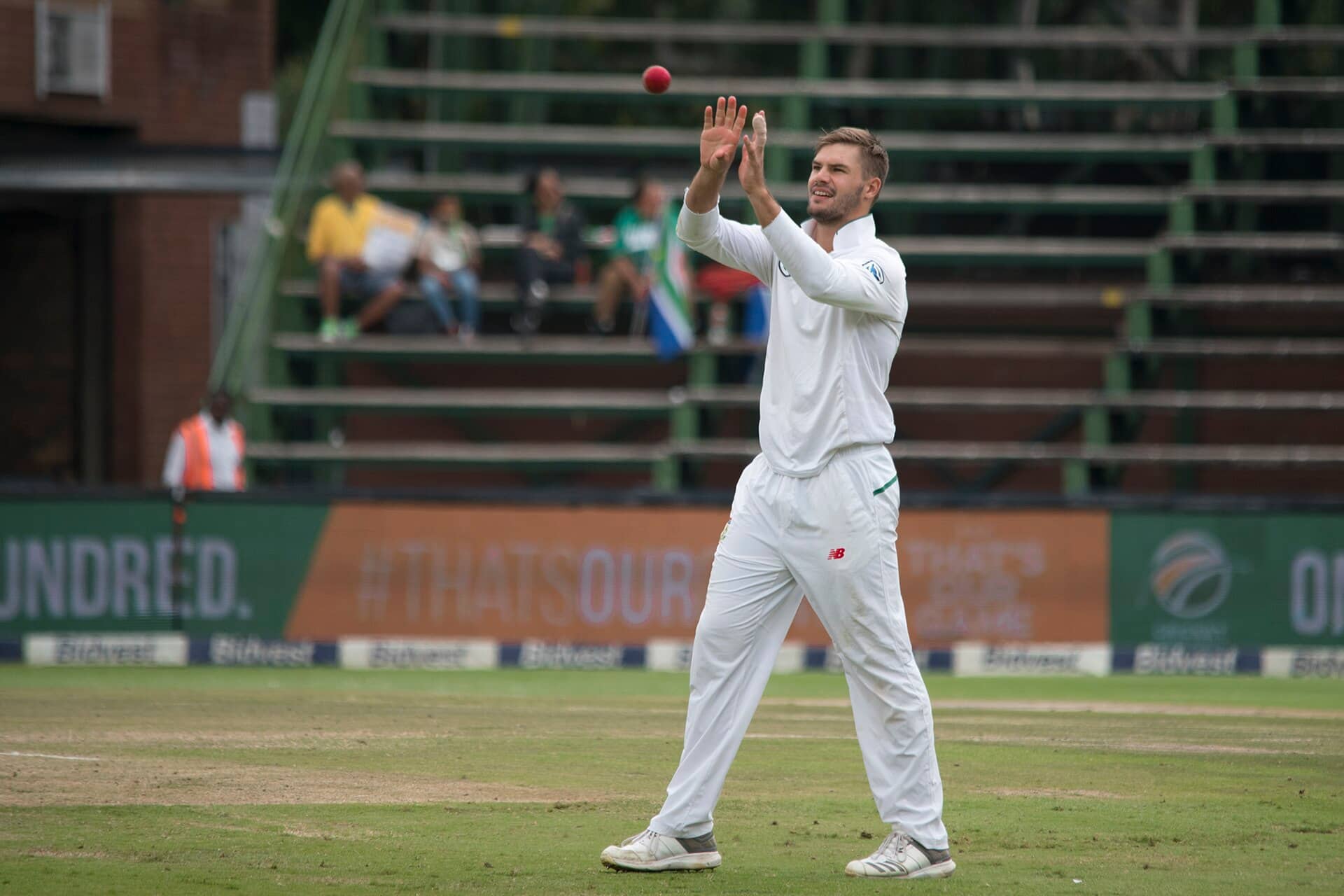
Shubman Gill Questions ICC Saliva Ban Following India’s Draw Against New Zealand in Wellington
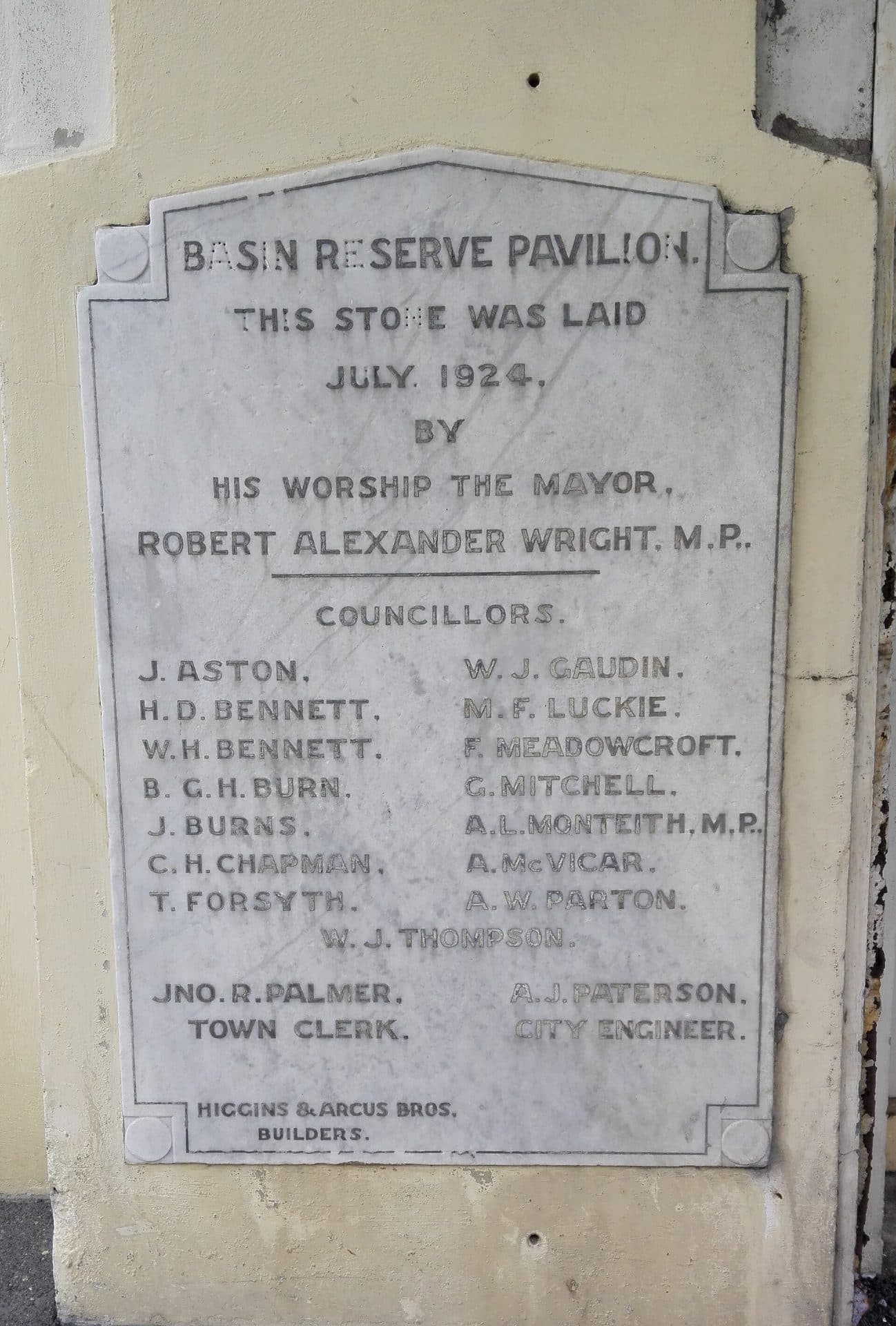
India captain Shubman Gill criticized the International Cricket Council for keeping its saliva ban in place after his team was held to a draw at the Basin Reserve.

- Shubman Gill questioned the ICC saliva ban during a post-match press conference in Wellington on Monday.
- India and New Zealand drew the opening Test after New Zealand finished their second innings at 239/5.
- Daryl Mitchell and Glenn Phillips secured the draw with resilient knocks on a placid pitch.
India captain Shubman Gill expressed public frustration with the International Cricket Council during his post-match press conference on Monday. Following a drawn opening Test against New Zealand in Wellington, Gill questioned why the prohibition on using saliva to polish cricket balls remains active long after the acute phase of the Covid-19 pandemic ended.
The governing body initially implemented the restriction as a temporary health precaution in May 2020 before making the rule permanent in September 2022. Bowlers traditionally rely on both sweat and saliva to maintain one side of a red ball, creating aerodynamic contrast that aids conventional and reverse swing. This technical advantage holds heightened value in longer formats like Test cricket, where extended over counts and dry conditions allow bowling attacks more time to degrade and work on the leather.
Basin Reserve Stalemate and Pitch Conditions
India pushed aggressively throughout the final day at the Basin Reserve, rotating through bowling options in search of breakthroughs. However, the surface remained placid and offered minimal assistance despite persistent cloud cover and a strong breeze. New Zealand resumed their second innings at 119/2 and batted out the day to reach 239/5 before both captains agreed to a draw.
Daryl Mitchell anchored the resistance with an unbeaten 49 runs from 187 balls, while Glenn Phillips contributed 26 not out off 126 deliveries. Both players demonstrated defensive discipline to shut out the visitors. The venue has historically favored decisive results, marking this stalemate as only the second drawn Test match at the Wellington ground out of 15 fixtures played since 2015.
World Test Championship Standings Impact
Gill acknowledged that the tied outcome was disappointing for his squad, noting that stalemates have become uncommon in contemporary fixtures. This result follows India's previous drawn match against Sri Lanka in Colombo during August, compounding a slow period for their campaign.
The dropped points negatively affected India's standing in the World Test Championship table, lowering their points percentage from 51.52 to 50 while keeping them in fourth place. New Zealand also dropped one position to third with a 66.67 percentage rate. Meanwhile, South Africa maintained the top position with 75 per cent, and Australia advanced to second place with 69.23 per cent.
- Gill argued the saliva ban no longer makes sense years after the pandemic.
- The Basin Reserve pitch remained too benign for India's bowlers to force a victory on the final day.
- The drawn result lowered India's standing in the World Test Championship table.
- India captain Shubman Gill expressed public frustration with the International Cricket Council during his post-match press conference on Monday.
Spotted an error? · Our editorial policy
UP NEXTJensen Huang Reinstated as Nvidia Chief Executive After Eleven-Day AbsenceOther angles · #ICC
Timeline →More from Sports
AB de Villiers Claims Australia Began Ball-Tampering During First Test in Durban

Heavyweight Champion Tyson Fury Opens Up About Schizophrenia Diagnosis and Upcoming Bout
Treesa Jolly and Gayatri Gopichand Aim for Third Consecutive Syed Modi International Title