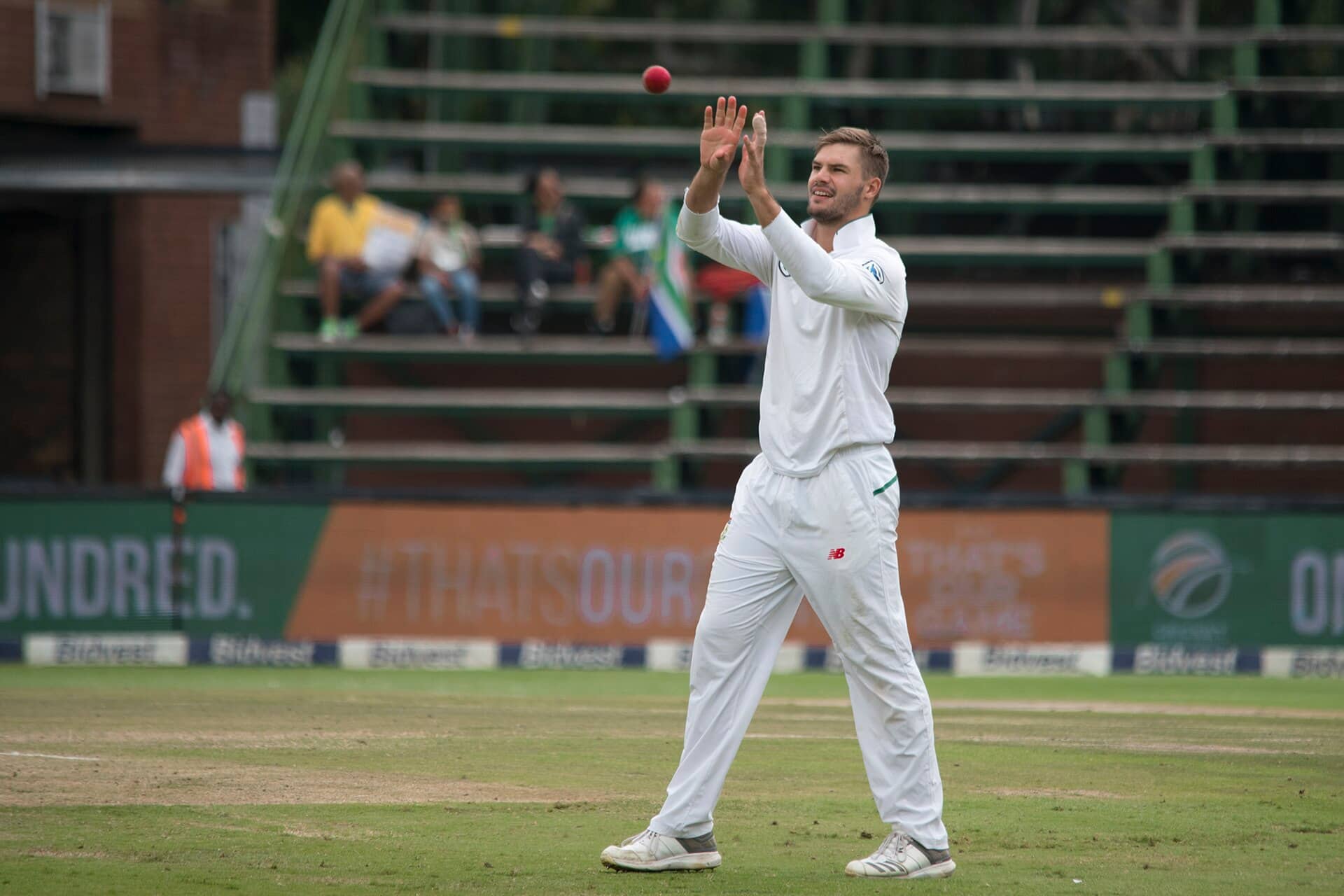
Shubman Gill Criticises Kookaburra Balls and Calls for Saliva Ban Reversal After Wellington Draw
Following a drawn first Test against New Zealand at the Basin Reserve, India Test captain Shubman Gill expressed concerns over deteriorating ball quality and urged authorities to scrap pandemic-era restrictions on shining the ball with saliva.

- India Test captain Shubman Gill criticised the quality of the Kookaburra ball after the Wellington Test ended in a draw.
- Gill called for the reversal of the ban on using saliva to shine the ball, citing that COVID-19 restrictions are long past.
- New Zealand secured a draw at 239/5 thanks to an unbeaten partnership between Daryl Mitchell and Glenn Phillips.
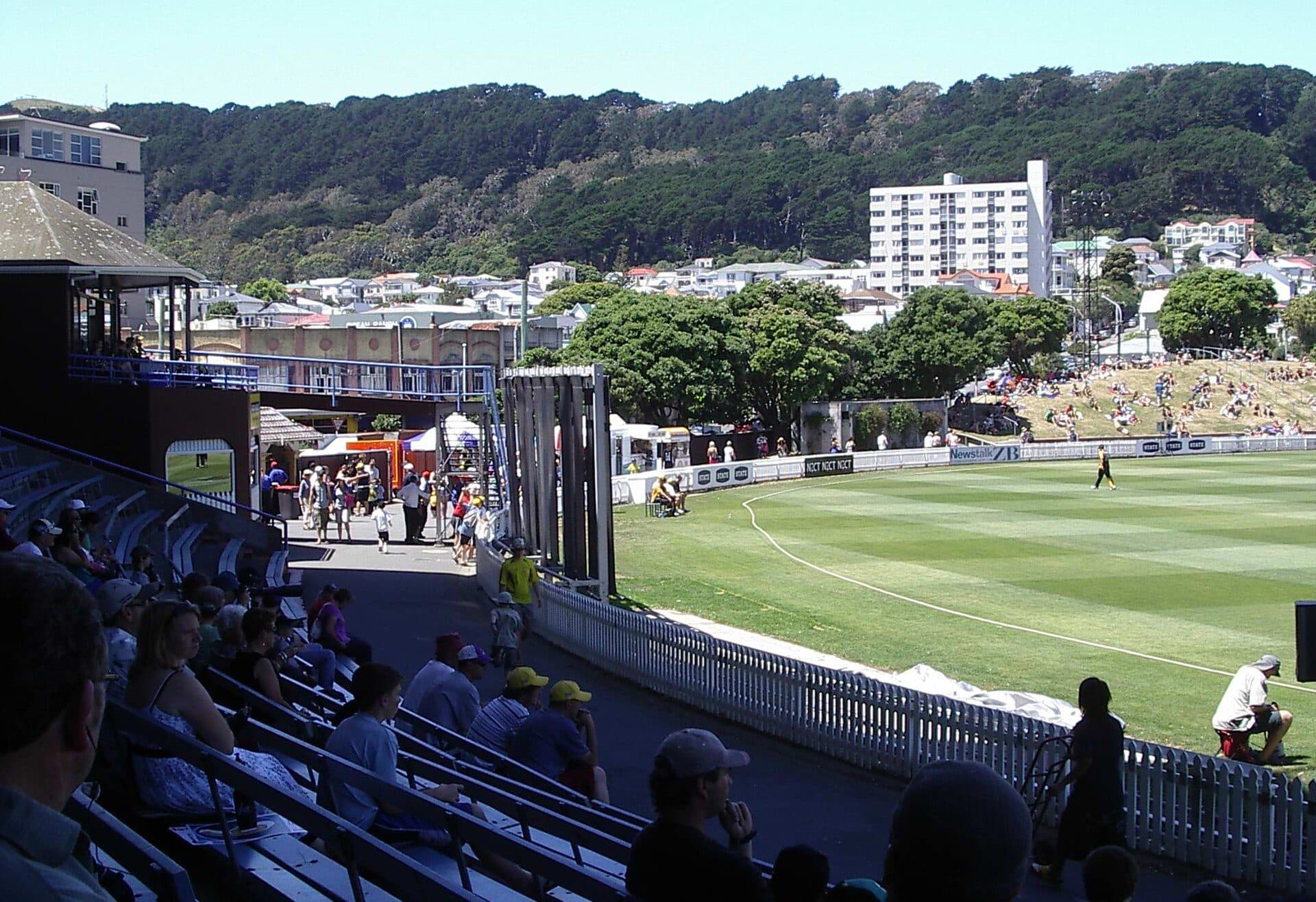
India Test captain Shubman Gill has questioned the standard of Kookaburra balls and called for the immediate reversal of pandemic-era restrictions preventing players from using saliva to shine the ball. The remarks followed a hard-fought draw against New Zealand in the opening match of the two-Test series at the Basin Reserve in Wellington.
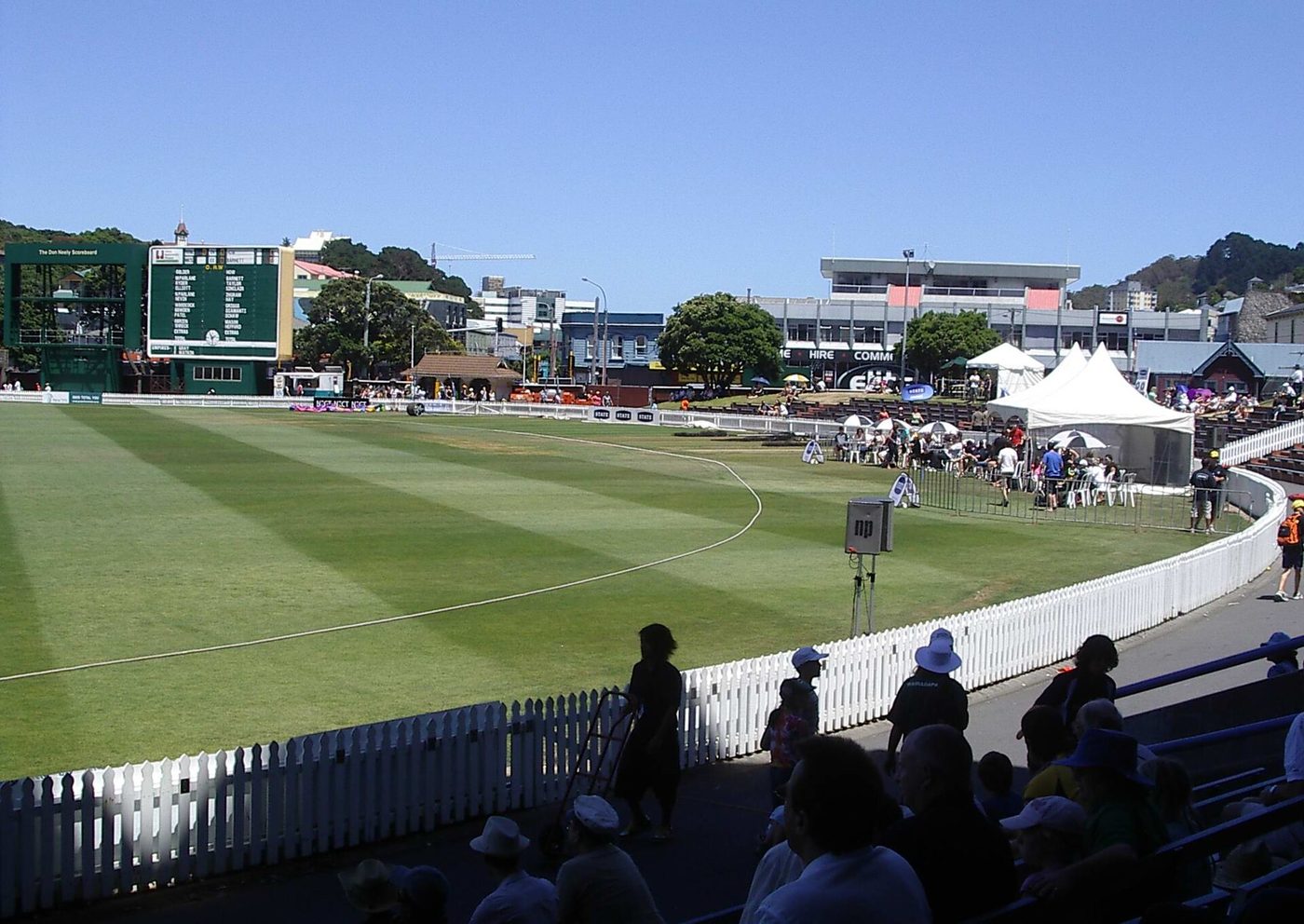
Match Context and Pitch Conditions
India entered the final day in a strong position after declaring their first innings at 720/9, establishing a 352-run lead. KL Rahul anchored the batting effort with 136 runs, Rishabh Pant contributed 128, Shubman Gill added 98, and Yashasvi Jaiswal scored 85, alongside substantial contributions from Devdutt Padikkal and Dhruv Jurel. New Zealand had earlier posted 368 in their first innings, propelled by an unbeaten 175 from Henry Nicholls and 118 from Glenn Phillips after the hosts had fallen to 70/5. Jasprit Bumrah claimed four wickets for India, while Akash Deep picked up three.
Despite reducing New Zealand to 119/2 at the start of the final day, the Indian bowling attack was thwarted by resilient lower-order resistance. Daryl Mitchell remained unbeaten on 49 off 186 deliveries, while Glenn Phillips finished not out on 26 off 126 balls, securing a stalemate as New Zealand reached 239/5 after 120 overs. India even turned to part-time options including Yashasvi Jaiswal, Dhruv Jurel, and Devdutt Padikkal, but failed to make further breakthroughs. With fast bowlers having already bowled nearly 50 overs each and the surface offering negligible assistance, the teams shook hands with less than an hour remaining.
Gill's Criticisms on Equipment and Rules
Speaking at the post-match press conference, Shubman Gill pointed out that the Kookaburra ball lost its hardness too rapidly, a phenomenon he noted was reminiscent of Dukes balls used in England during previous seasons. He explained that a softening ball combined with a flat pitch severely hindered the bowlers' ability to create wicket-taking opportunities, noting that edges failed to carry to fielders and left LBWs and bowled dismissals as the primary routes to success. Gill added that the pitch lacked both pace and movement, rendering low-staying deliveries ineffective against batters.
Addressing the regulations governing ball maintenance, Gill urged authorities to reconsider the ban on using saliva, which was originally introduced during the COVID-19 pandemic. Highlighting that several years have passed since the health crisis, he argued that prohibiting saliva application remains an unjustified hurdle for bowlers attempting to maintain shine and movement under difficult conditions.
WTC Implications and Next Steps
The draw yielded four points for each side, impacting India's standing in the ICC World Test Championship standings. The result marks India's second consecutive drawn Test following a stalemate in Sri Lanka in August, and only the second draw in 15 Tests at the Basin Reserve since 2015. India previously secured a 3-2 victory in the T20I series and a 3-1 win in the ODI leg of the tour. The visitors will seek to secure the Test series when the second and final match commences at Hagley Oval in Christchurch from November 27 to December 1, 2026.
- Shubman Gill questioned the rapid softening of Kookaburra balls during the Wellington Test.
- Gill urged cricket authorities to revoke the ban on using saliva to shine the ball.
- New Zealand salvaged a draw after resilient batting by Daryl Mitchell and Glenn Phillips on the final day.
- The teams head to Christchurch for the final Test starting November 27, 2026.
Spotted an error? · Our editorial policy
UP NEXTJensen Huang Reinstated as Nvidia Chief Executive After Eleven-Day AbsenceOther angles · #Basin Reserve
Timeline →- NewsIndia and New Zealand Draw First Test in Wellington, Impacting WTC Standings
- NewsShubman Gill Explains Mohammed Siraj’s Omission as India-New Zealand Test Ends in a Draw
- NewsShubman Gill defends Mohammed Siraj omission after India draws first Test against New Zealand
- NewsJeremy Coney Criticizes Basin Reserve Pitch Following Drawn Test Against India
More from Sports
AB de Villiers Claims Australia Began Ball-Tampering During First Test in Durban
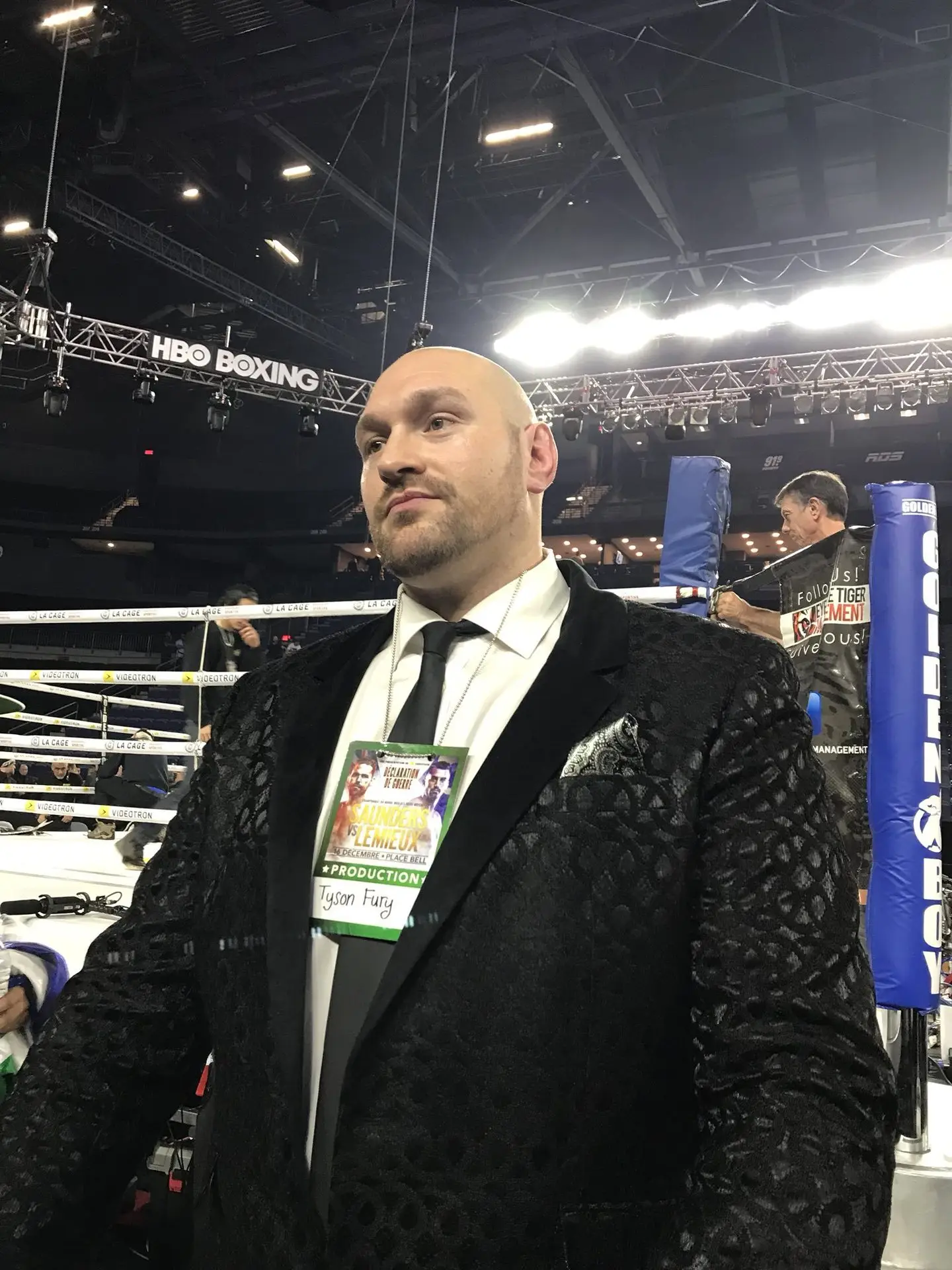
Heavyweight Champion Tyson Fury Opens Up About Schizophrenia Diagnosis and Upcoming Bout
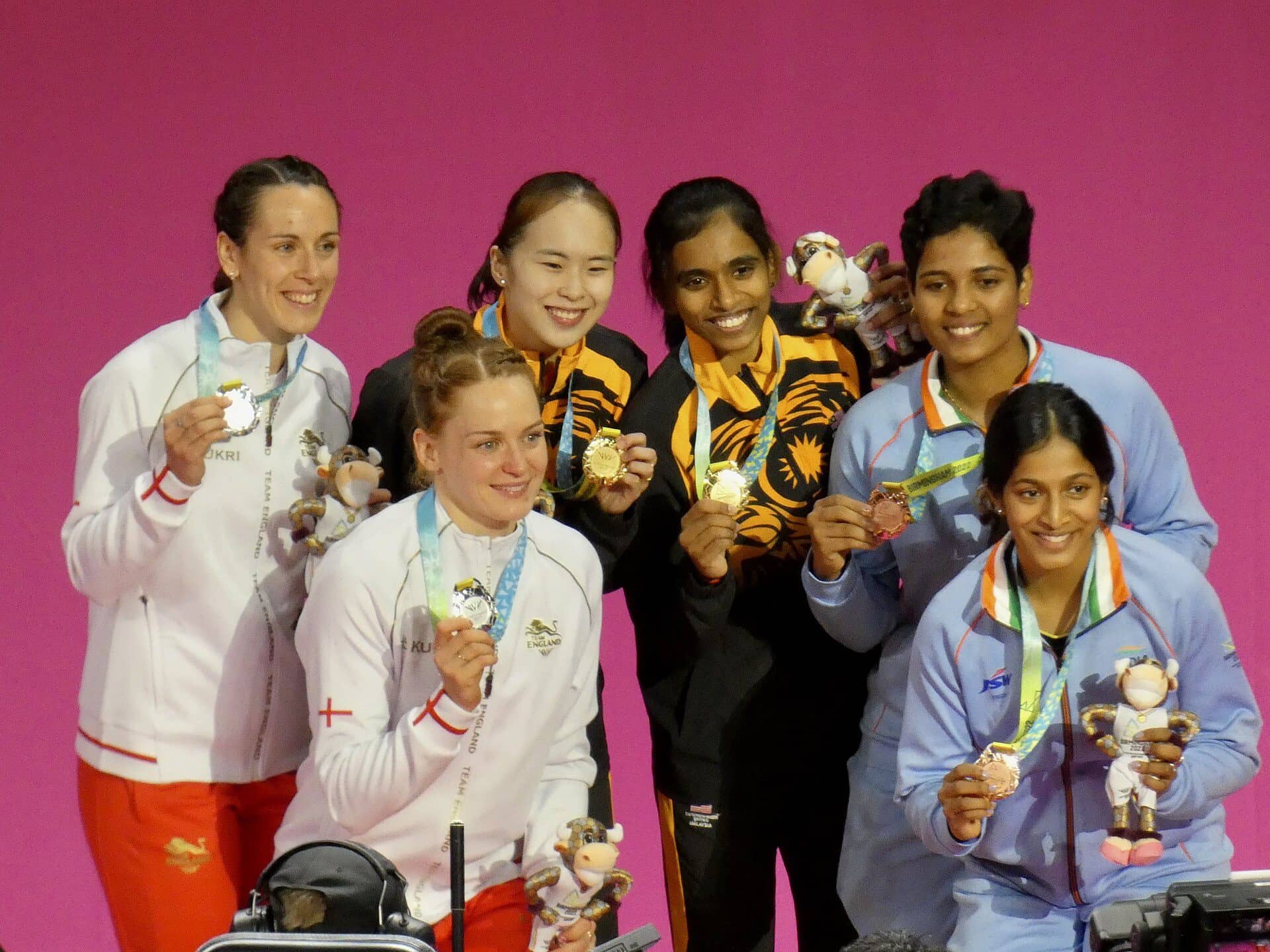
Treesa Jolly and Gayatri Gopichand Aim for Third Consecutive Syed Modi International Title