Morgan Stanley projects BSE Sensex to reach 95,000 by December 2027
Financial analysts at Morgan Stanley predict the BSE Sensex could climb to 95,000 by December 2027, driven by strong medium-term growth prospects and structural economic shifts in India.

- Morgan Stanley projects the BSE Sensex to hit 95,000 by December 2027 in its base case.
- The base-case target implies a trailing P/E ratio of 23x, exceeding the 25-year average of 22x.
- Analysts favor domestic cyclicals, financials, consumer discretionary, and industrials over defensives.
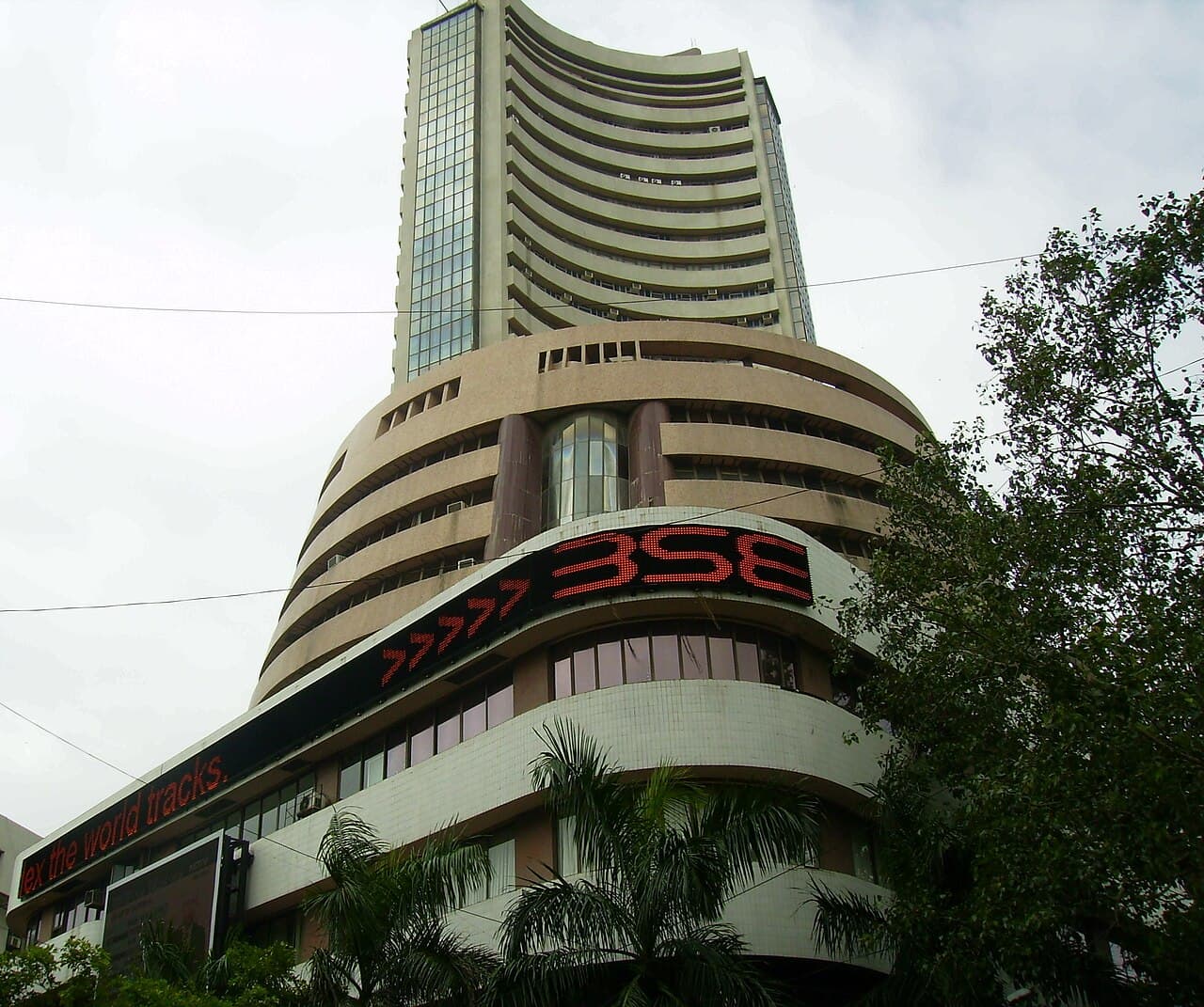
Indian equity markets are positioned for a significant re-evaluation, according to recent analysis published by financial institution Morgan Stanley. Analysts project that the BSE Sensex will climb to the 95,000 threshold by December 2027 under their baseline projection, representing an approximate 16 percent increase compared to current trading levels.
Valuation Scenarios and Multiples
The baseline target of 95,000 carries a 50 percent probability, authored by Ridham Desai, managing director and chief India equity strategist, alongside coauthor Nayant Parekh. Reaching this benchmark would place the Sensex at a trailing price-earnings multiple of 23 times, which exceeds the 25-year historical average of 22 times. Analysts attribute this valuation premium to heightened confidence in India's medium-term expansion cycle, lower market beta, higher terminal growth expectations, and a stable political and policy framework.
Alternative projections include a bull-case target of 1,05,000 with a 30 percent likelihood, and a bear-case scenario estimating the index at 68,000 with a 20 percent probability. Assumptions underlying the baseline model feature solid domestic expansion, steady international growth, a finalized trade arrangement between India and the United States, and Brent crude oil remaining below 100 dollars per barrel.
Sector Allocations and Economic Factors
Regarding portfolio positioning, the investment strategy favors domestic cyclicals over defensive assets and externally oriented industries. Analysts maintain an overweight stance on financials, consumer discretionary stocks, and industrials, while underweighting energy, materials, utilities, and healthcare. Furthermore, information technology services are identified as a potential dark horse sector as global demand rises for artificial intelligence application development.
Additional macroeconomic drivers involve declining oil intensity within the gross domestic product, a potential expansion of export shares particularly in services, and ongoing fiscal consolidation. These dynamics point to a diminished savings imbalance, enabling lower real interest rates. Reduced inflation volatility, supported by supply adjustments and flexible targeting frameworks, is expected to dampen fluctuations in growth and interest rates moving forward.
- The baseline scenario carries a 50 percent probability and a 16 percent increase from current levels.
- A bull-case target reaches 1,05,000, whereas a bear-case target sits at 68,000.
- IT services could benefit significantly from increased global demand for artificial intelligence solutions.
Spotted an error? · Our editorial policy
UP NEXTIndia Takes Commanding 118-Run Lead Against New Zealand on Day 3 of First TestSwipe more stories · MarketsQuick cards, a few lines each. Tap to open.More from Markets
Indian Equities Rally as Sensex Climbs 898 Points and Nifty Reclaims 25,800 Mark Led by Banking Stocks
Indian Equities Rally Sharply as Sensex Surges 898 Points and Nifty Crosses 25,800

Indian Rupee Strengthens Past 93 Against US Dollar