West Bengal Politicians Clash Over Chhath Puja Arrangements and Regional Identity
A political controversy has erupted in West Bengal following remarks by a Trinamool Congress parliamentarian questioning Chhath Puja preparations and alleging demographic shifts in the state.

- Kalyan Banerjee questioned Chhath Puja decorations at Howrah Station and alleged demographic changes in West Bengal.
- Indranil Khan criticized Banerjee and past administrations for divisive politics and failing Bengali interests.
- Chief Minister Suvendu Adhikari dismissed the criticism of festival arrangements as vote-bank appeasement politics.
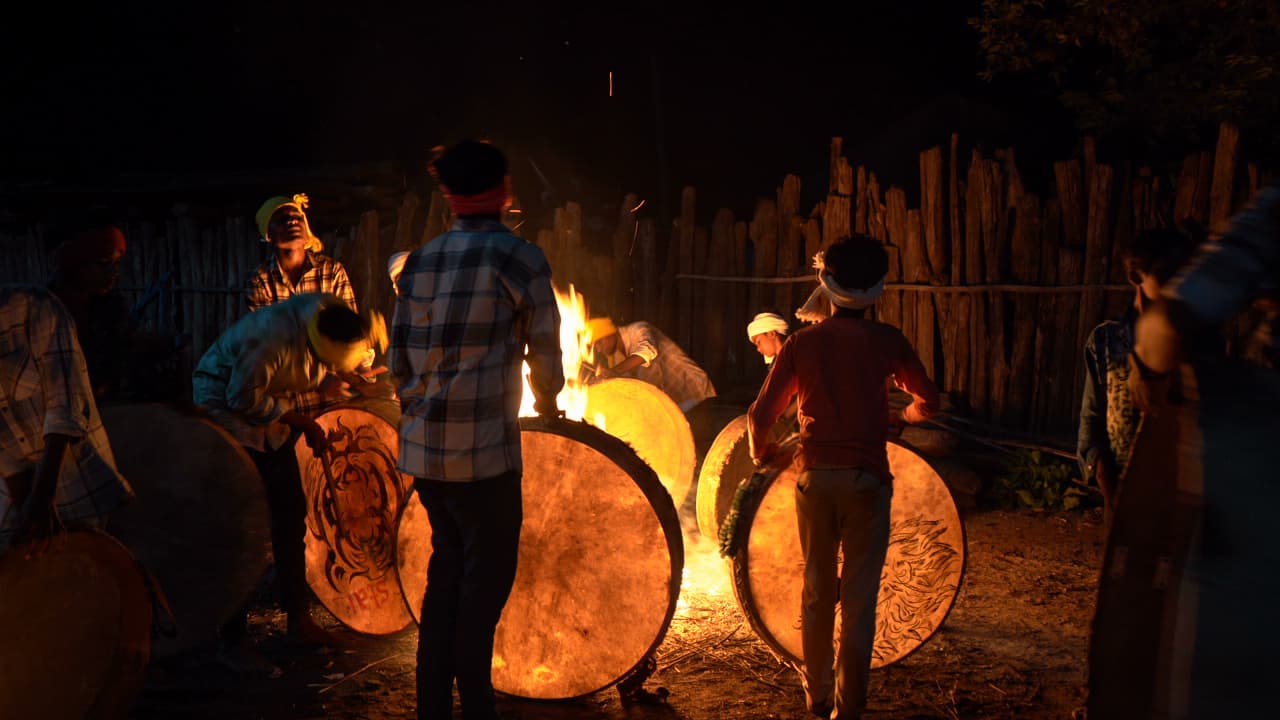
A heated political debate has unfolded in West Bengal regarding festival arrangements and regional demographics, following critical comments made by Trinamool Congress parliamentarian Kalyan Banerjee concerning Chhath Puja preparations. The disagreement has drawn sharp responses from state minister Indranil Khan and leadership figures, expanding into a broader argument over cultural identity, governance history, and community representation.
Parliamentarian Questions Festival Scale and Demographics
The controversy began when Kalyan Banerjee expressed strong disapproval over extensive decorations at Howrah Station for Chhath Puja, comparing them unfavourably to arrangements made for Durga Puja. Banerjee questioned whether the state was being overrun by non-Bengalis, asking if West Bengal belonged to Bengalis or Biharis. He further asserted that Bengali residents were being reduced to second-class citizens and warned that the local population could face severe marginalisation if current trends persist over the coming years.
Minister Counterattacks Governance Record
In response, West Bengal Minister Indranil Khan issued a robust counterattack against the parliamentarian and past administrations. Khan accused both the Trinamool Congress and the Left Front of engaging in divisive politics and failing to advance the genuine interests of Bengali citizens throughout decades of prior rule. Referencing past controversies—such as incidents involving religious processions, police actions at Daribhit regarding teacher appointments, and cultural management—Khan argued that those administrations had done little to benefit the local population.
Government Stance and National Unity Arguments
Minister Khan defended the official backing of the festival, maintaining that national strength derives from diversity and that supporting public participation in cultural events remains a fundamental governmental obligation. Chief Minister Suvendu Adhikari also addressed the backlash, dismissing criticism of the celebrations as vote-bank appeasement politics. Adhikari argued that attempting to divide regional traditions—such as associating specific festivals exclusively with particular states—stems from a regressive mindset, adding that the public ultimately recognizes shared national identity above regional divisions.
- Disagreements emerged over festival decorations and regional demographics in West Bengal.
- Minister Indranil Khan defended state support for diverse cultural events and criticized past governance.
- Chief Minister Suvendu Adhikari framed the criticism as regressive vote-bank politics.
Spotted an error? · Our editorial policy
UP NEXTDadasaheb Phalke International Film Festival Awards 2026: Taylor Swift and James Cameron Among WinnersOther angles · #Chhath Puja
Timeline →- NewsWest Bengal Police Sub-Inspector Rescues Three-Year-Old from Damodar River
- NewsActor Akshara Singh Responds to Online Criticism Over Chhath Puja Observance
- NewsDelhi Chief Minister Rekha Gupta Joins Devotees as Four-Day Chhath Festival Concludes
- NewsPolitical clash erupts in Delhi over Yamuna river pollution and Chhath Puja arrangements
More from Indian Politics
Arunachal Organisations Appeal to Amit Shah to Cancel 11,200-MW Siang Mega Dam

Former Kerala Sports Minister Named as Accused in Lionel Messi Event Probe
Parliament’s Monsoon Session Sets Record at 100 Days Unprorogued Amid Delimitation and Reservation Speculation