West Bengal Chief Minister Criticizes Previous Administration’s Minority Classification Policies
Chief Minister Suvendu Adhikari has publicly challenged the prior West Bengal government’s approach to identifying religious minority communities.

- Chief Minister Suvendu Adhikari claims the previous TMC government limited minority status to Muslims.
- Adhikari argues that Sikhs, Buddhists, and Jains should also be officially recognized as minority communities.
- The comments were made during a visit to the Gurdwara Bara Sikh Sangat in Burrabazar.
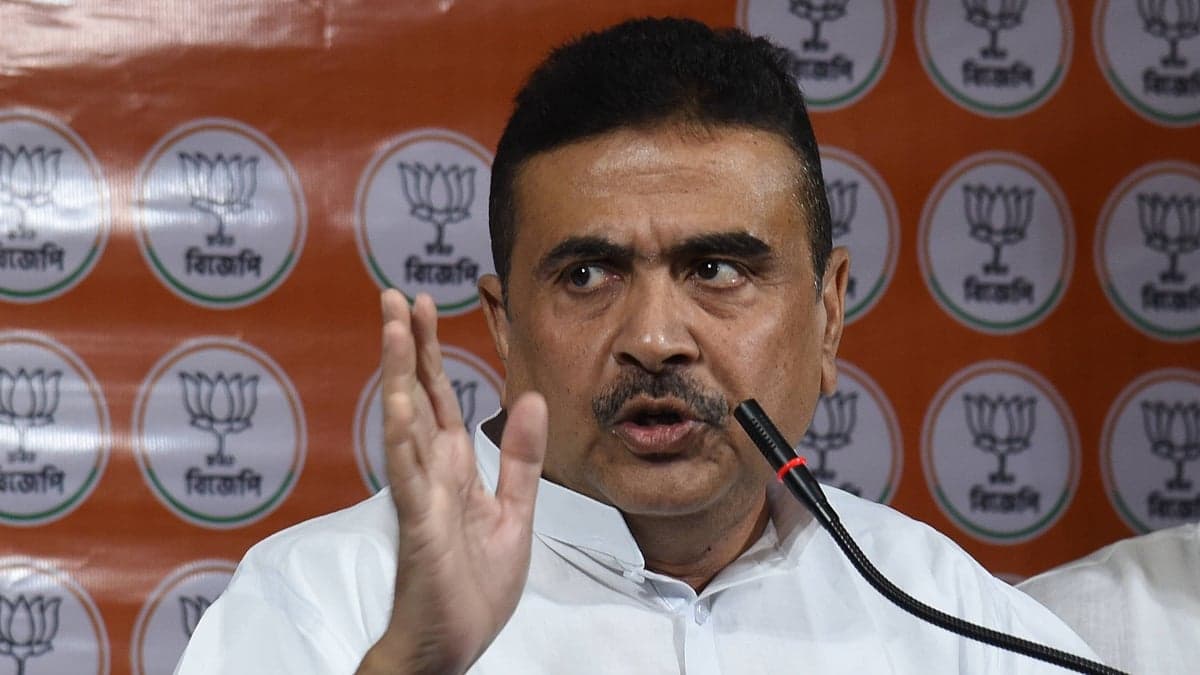
West Bengal Chief Minister Suvendu Adhikari has leveled accusations against the former Trinamool Congress administration, claiming that the previous state leadership unfairly restricted the definition of religious minorities to include only the Muslim community. During a visit to Kolkata on November 15, 2026, the Chief Minister argued that this policy overlooked other groups that officially qualify as minority populations.
Expanding the Minority Recognition Framework
Addressing the media near the city’s Burrabazar trading district, Adhikari emphasized that the term minority should not be synonymous with a single religious demographic. He specifically identified Sikhs, Buddhists, and Jains as communities that have historically been excluded from similar considerations by the state's past policies. The Chief Minister maintained that these groups deserve equitable recognition under the state's administrative and social framework.
Engagement with the Sikh Community
Adhikari’s comments were delivered following a visit to the Gurdwara Bara Sikh Sangat, a prominent place of worship in the heart of Kolkata. While at the site, he participated in a public procession organized by local Sikh representatives. The Chief Minister took the opportunity to commend the community, describing its members as being among the most dedicated patriots in the country. This interaction served as the backdrop for his broader critique of the state's previous governing priorities.
Political Context and Prior Allegations
The remarks continue a long-standing narrative maintained by Adhikari regarding the governance of his predecessors. He has previously characterized the administration led by Mamata Banerjee as being primarily focused on the appeasement of the Muslim population, suggesting that such political strategies were designed to consolidate electoral support. By highlighting the exclusion of Jains, Buddhists, and Sikhs, Adhikari is attempting to broaden the discourse around religious minorities in West Bengal, suggesting that previous political efforts were skewed toward specific interests rather than an inclusive definition of minority status. These assertions reflect ongoing tensions regarding how religious identity and state resources have been managed in the region under different political regimes.
- The Chief Minister visited the Gurdwara Bara Sikh Sangat to meet with members of the Sikh community.
- Adhikari praised the Sikh population for their patriotism during the public event.
- The administration's past policies were labeled as political appeasement by the Chief Minister.
- The event took place on November 15, 2026, in Kolkata.
Spotted an error? · Our editorial policy
UP NEXTIndia Takes Commanding 118-Run Lead Against New Zealand on Day 3 of First TestSwipe more stories · Indian PoliticsQuick cards, a few lines each. Tap to open.More from Indian Politics
Arunachal Organisations Appeal to Amit Shah to Cancel 11,200-MW Siang Mega Dam

Former Kerala Sports Minister Named as Accused in Lionel Messi Event Probe
Parliament’s Monsoon Session Sets Record at 100 Days Unprorogued Amid Delimitation and Reservation Speculation