Uttar Pradesh Electoral Office Rebuts Claims of Religion-Based Voter Deletion
Chief Electoral Officer Navdeep Rinwa clarified that the state’s election database does not track voter religion or caste following allegations regarding missing Hindu voters.

- Uttar Pradesh CEO Navdeep Rinwa stated the ECI database does not track voter religion or caste.
- The state’s draft electoral roll for the 2027 assembly elections contains 13.58 crore registered voters.
- The CEO reported an estimated gap of 2.58 crore eligible residents not currently on the voter list.

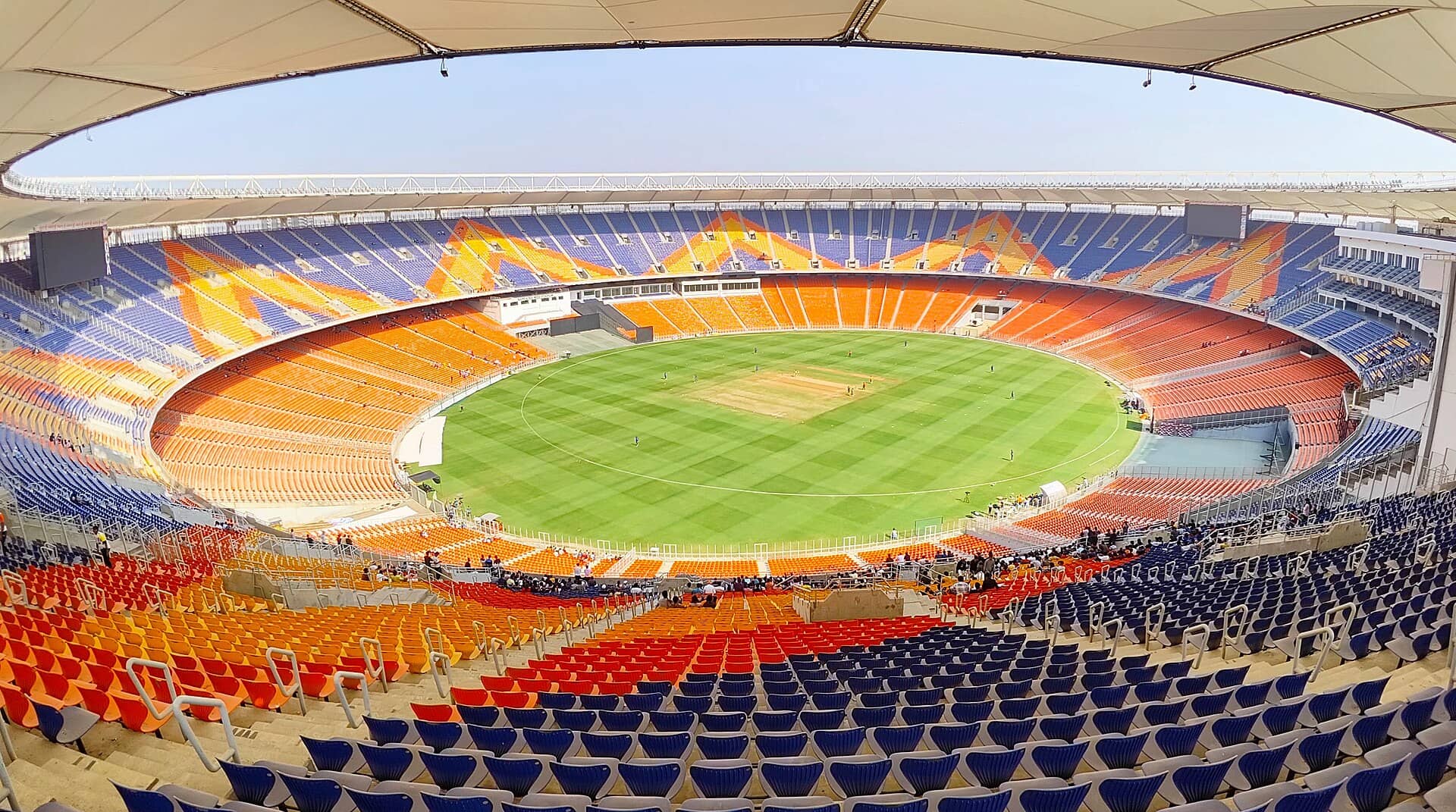
Photo: Matti Blume / Wikimedia Commons (CC BY-SA 4.0)
The Chief Electoral Officer (CEO) of Uttar Pradesh, Navdeep Rinwa, addressed concerns regarding the composition of the state’s electoral rolls during a press conference in Lucknow on Tuesday. Following recent statements by Chief Minister Yogi Adityanath, who alleged that millions of Hindu voters were excluded from the rolls after a Special Intensive Revision, the CEO clarified that the official database lacks the functionality to categorize citizens by religious or caste background.
Clarification on Database Capabilities
Rinwa stated that the Election Commission of India (ECI) maintains records consisting only of essential administrative information. These parameters include a voter’s legal name, gender, age or birth date, house number, and details regarding their relatives or household relations. According to the CEO, the system is fundamentally incapable of performing analyses based on religious identity or caste demographics because such data points are neither collected nor maintained by the electoral office.
Addressing the origin of such figures, the CEO noted that media outlets or private entities often produce demographic-based claims by applying external software tools to publicly available voter lists. Because these lists are released in PDF format, they can be converted into datasets by third parties, who may then attempt to categorize voters based on their names. Rinwa emphasized that any such analysis is an independent effort by external groups and does not reflect official Election Commission findings or methodology.
Overview of the Draft Electoral Roll
During the briefing, officials provided updated figures for the draft electoral roll released ahead of the 2027 state Assembly elections. The current registry contains 13.58 crore voters, including approximately 7.38 crore men, 6.20 crore women, and 4,042 third-gender individuals. This reflects a net increase of over 18 lakh voters since the previous update conducted earlier this year.
Rinwa also identified a substantial disparity between the number of registered voters and the state’s projected population. Comparing the draft roll against 2026 demographic projections for residents aged 18 and older, he estimated that about 2.58 crore eligible individuals are not currently registered. He clarified that this figure represents a total gap rather than a tally of specifically deleted records, noting that voter registration is a voluntary process in India.
Context of Voter Registration Trends
Providing international context, the CEO observed that no nation achieves 100 percent enrollment of its eligible population. He pointed to figures from Western democracies, suggesting that significant portions of the electorate remain unregistered in countries like the United States and the United Kingdom. He described the current registration rate in Uttar Pradesh as approximately 84 to 85 percent, while asserting that the electoral office remains committed to improving these figures through proactive outreach.
The CEO explicitly refuted allegations that any conspiracy existed to target specific groups for removal from the rolls. He maintained that based on reports gathered from all districts, there has been no organized effort by officials, political parties, or any other entities to systematically exclude residents based on religion or community. The commission characterized the current administrative focus as one of enrollment and verification rather than discriminatory action.
Public Engagement Period
Looking toward the next phase of the electoral process, the Election Commission has established a schedule for addressing discrepancies. The period for submitting claims and objections is set to remain open from November 17 to December 16. During this window, eligible citizens are encouraged to utilize established forms—specifically Form 6 for new registrations, Form 7 for deletions, and Form 8 for corrections—to ensure their information on the electoral rolls is accurate.
The state government has previously expressed interest in these processes, with officials formally submitting memoranda to the Election Commission regarding their concerns over the missing voters. As the deadline for corrections approaches, the electoral office aims to bridge the gap in registration by encouraging public participation in the upcoming verification phase. Officials reiterated that all procedures follow standardized Election Commission guidelines designed to maintain neutrality and administrative consistency across all constituencies.
- Official records lack religion and caste identifiers, making such demographic filtering impossible for the Election Commission.
- The state has an estimated 2.58 crore eligible residents who are not yet included on the voter registry.
- Voters have until December 16 to request corrections or new registrations for the 2027 electoral cycle.
- The Chief Electoral Officer (CEO) of Uttar Pradesh, Navdeep Rinwa, addressed concerns regarding the composition of the state’s electoral rolls during a press conference in Lucknow on Tuesday.
Spotted an error? · Our editorial policy
UP NEXTSanjay Kapoor Stars in ‘Unexpected – Safed Sach’ Based on 2024 Dehradun CaseSwipe more stories · Indian PoliticsQuick cards, a few lines each. Tap to open.More from Indian Politics

Arunachal Organisations Appeal to Amit Shah to Cancel 11,200-MW Siang Mega Dam

Former Kerala Sports Minister Named as Accused in Lionel Messi Event Probe
Parliament’s Monsoon Session Sets Record at 100 Days Unprorogued Amid Delimitation and Reservation Speculation