US Federal Court Vexes Trump Administration Plan to Limit International Student and Journalist Visas
A federal judge has invalidated a Department of Homeland Security proposal that aimed to replace duration-of-status rules with fixed stay limits for foreign students, exchange visitors, and journalists.

- A US federal judge struck down a Department of Homeland Security rule that sought to cap visa stays for international students and journalists.
- The court ruled the policy arbitrary, capricious, and beyond the department's legal authority under the Administrative Procedure Act.
- The invalidated rule would have replaced the duration-of-status framework with fixed periods, affecting F-1, J-1, and I visa holders.
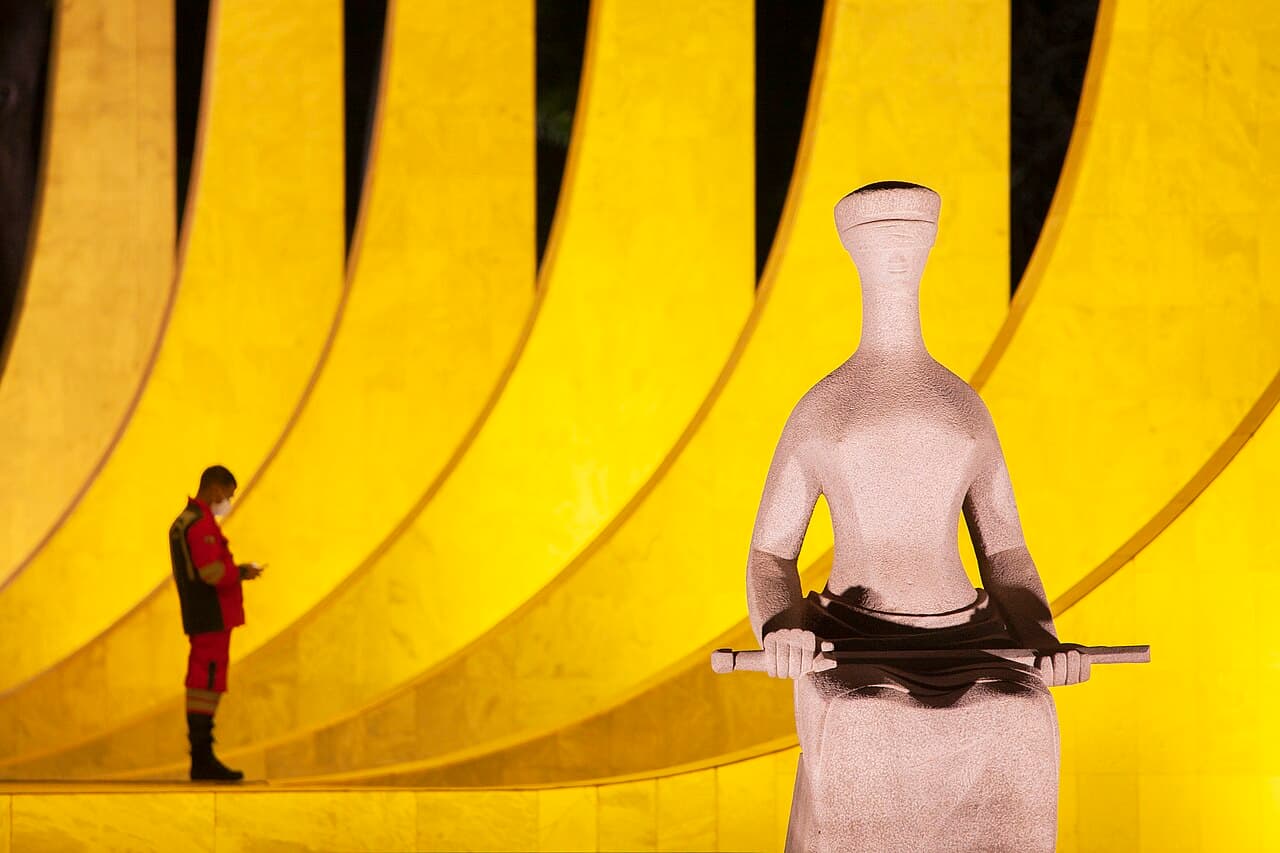
A United States federal court has officially invalidated a government regulation that sought to place fixed time limits on the length of stay for international students, visiting scholars, and foreign journalists. District Judge F. Dennis Saylor delivered the ruling on Monday, determining that the policy put forward by the Department of Homeland Security was arbitrary, capricious, and an abuse of discretion under the Administrative Procedure Act.
Court Findings on Visas and Authority
The blocked regulation, which was published in the Federal Register on July 17, 2026, aimed to remove the longstanding duration-of-status framework for several non-immigrant visa classifications. Under the proposed framework, international students holding F-1 visas, academic researchers and instructors using J-1 credentials, and foreign media representatives with I visas would have faced rigid caps. Specifically, the policy sought to restrict international students to a maximum four-year period unless they secured formal federal approval for an extension.
Furthermore, the rule intended to shorten stay allowances for foreign journalists down to 240 days, and to 90 days specifically for Chinese journalists. It also proposed cutting the post-completion grace period down from 60 days to 30 days, alongside placing a 24-month aggregate limit on language training programs. The court concluded that the agency overstepped its legal bounds, noting that the statute governing F-1 visas does not grant the department broad authority to undermine educational opportunities authorized by Congress.
Evaluation of National Security and Fraud Claims
During proceedings, government officials defended the restrictions by pointing to national security needs and the prevention of immigration fraud. However, the court found that the department failed to adequately evaluate potential policy consequences, weigh costs against benefits, or demonstrate why existing tools like the Student and Exchange Visitor Information System were insufficient.
Plaintiffs in the litigation included higher education advocacy groups and institutional representatives who argued that the changes would severely harm academic mobility and international enrollment. The latest summary judgment follows an earlier preliminary injunction issued by the Boston judge in September, which had temporarily halted the implementation of the rule while government appeals proceeded before the US Court of Appeals for the First Circuit.
- Judge F. Dennis Saylor granted summary judgment in favor of the plaintiffs, vacating the final rule.
- The policy would have limited standard student stays to four years and reduced journalist allowances significantly.
- Advocacy organizations and educational groups welcomed the court order as a major victory for international academic mobility.
Spotted an error? · Our editorial policy
UP NEXTIndia Takes Commanding 118-Run Lead Against New Zealand on Day 3 of First TestOther angles · #Department of Homeland Security
Timeline →More from Indian Politics
Arunachal Organisations Appeal to Amit Shah to Cancel 11,200-MW Siang Mega Dam

Former Kerala Sports Minister Named as Accused in Lionel Messi Event Probe
Parliament’s Monsoon Session Sets Record at 100 Days Unprorogued Amid Delimitation and Reservation Speculation