Rahul Gandhi Criticizes Current Indian Foreign Policy Approach
Leader of the Opposition Rahul Gandhi recently discussed India’s global influence and diplomatic strategy during an event at the University of Chicago.

- Rahul Gandhi criticized the Indian government's foreign policy as becoming a "side player" in global affairs.
- He argued that foreign policy should be based on structural and economic interests rather than personal friendships between leaders.
- Gandhi stated that diplomatic dialogue with Pakistan cannot resume until the country stops supporting terrorism in India.
Leader of the Opposition in the Lok Sabha, Rahul Gandhi, expressed concerns regarding India's current diplomatic standing, characterizing the nation as a minor participant in international affairs. During a moderated discussion at the University of Chicago, Gandhi stated that India, given its geopolitical significance and existing ties with major powers, should play a more prominent role in global dialogues.
Concerns over Diplomatic Strategy
Gandhi specifically criticized the foreign policy pursued by Prime Minister Narendra Modi, arguing that the government has placed too much emphasis on building personal friendships with world leaders like Vladimir Putin and Donald Trump. According to Gandhi, geopolitical decisions are driven by national economic and structural interests rather than individual relationships, suggesting that the current focus on personal rapport is ineffective.
He noted that he was surprised to observe Pakistan engaging in negotiations between the United States and Iran, while India remained an observer despite having relationships with all three nations. Gandhi reflected on the post-independence era, noting that India's leadership in the Non-Aligned Movement once provided the country with significant global stature, a voice he hopes to see the nation reclaim.
Future Global Architecture and Pakistan Relations
Regarding the evolution of the global security landscape, the Congress leader argued that the post-World War II order, which was dominated by the West, is shifting. He suggested that the next international architecture will be influenced by a multi-civilizational approach, involving powers such as the United States, China, India, Russia, and the Middle East.
When asked about potential dialogue with Pakistan, Gandhi maintained that while there is theoretical room for engagement, the primary obstacle remains state-sponsored terrorism. He stated that it is impossible for India to pursue conversations with its neighbor as long as the support and encouragement of violence against Indian citizens persists.
- Rahul Gandhi argues India is currently a secondary player on the global stage.
- The opposition leader claims the current government relies too heavily on personal relationships with world leaders.
- Future global power structures will involve multiple civilizations, according to Gandhi.
- Dialogue with Pakistan is contingent on an end to support for terrorism.
Spotted an error? · Our editorial policy
UP NEXTBritish Columbia Premier Lorne Doerkson Inducts Punjabi-Origin MLAs into CabinetOther angles · #foreign policy
Timeline →- NewsBJP Slams Rahul Gandhi Over ‘Side Player’ Remarks On Indian Foreign Policy
- NewsRahul Gandhi Criticizes Government Over US-China-Russia Trilateral Meeting, BJP Responds
- NewsRahul Gandhi Calls India a ‘Side Player’ in Geopolitics, Prompting Sharp Criticism from BJP
- NewsPrime Minister Modi Emphasizes Shared Prosperity at 23rd ASEAN-India Summit
More from Indian Politics
Arunachal Organisations Appeal to Amit Shah to Cancel 11,200-MW Siang Mega Dam

Former Kerala Sports Minister Named as Accused in Lionel Messi Event Probe
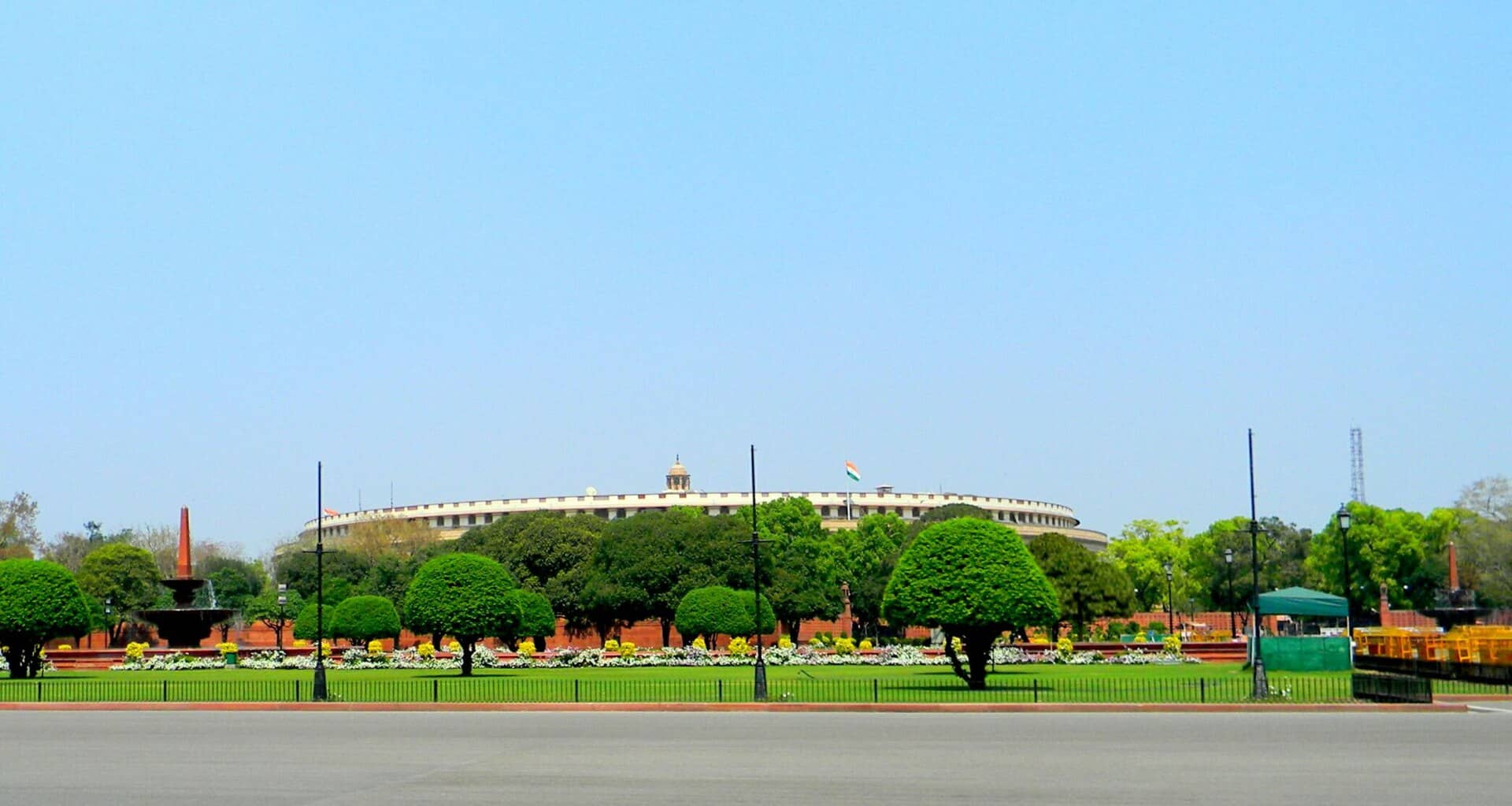
Parliament’s Monsoon Session Sets Record at 100 Days Unprorogued Amid Delimitation and Reservation Speculation