Former CBI Officer Challenges Memoir Passage Regarding 2002 Godhra Train Fire
A retired senior law enforcement official has publicly disputed a statement in a political memoir describing the cause of the 2002 Godhra train fire as disputed.

- A former CBI special director rejected a passage in Sonia Gandhi's memoir describing the Godhra train fire cause as disputed.
- The official stated that court proceedings, the Nanavati Commission, and an SIT established the fire was deliberately set.
- A special court convicted 31 people in 2011, and upper courts later confirmed convictions for 11 individuals.
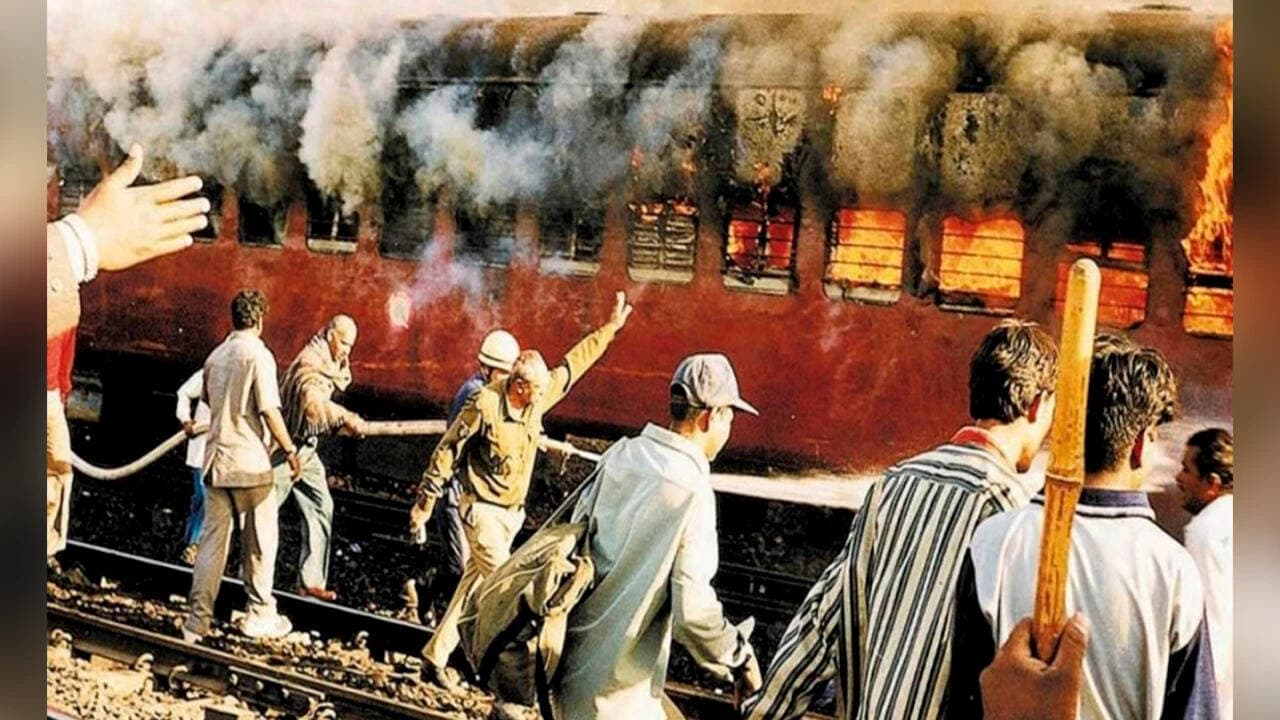
A former special director of the Central Bureau of Investigation has challenged a passage in a recent memoir written by a prominent political leader. The retired official, who led part of the state police investigation into the 2002 train burning incident, stated that judicial proceedings and official inquiries established that the fire was deliberately set.
Disputed Memoir Content
In the published book titled 'Belonging: A Journey of Love', the author discusses the events surrounding the tragedy. The text notes that the train was returning to Ahmedabad from Ayodhya carrying Hindu volunteers when coaches were set on fire, resulting in dozens of deaths and subsequent widespread turmoil. The passage characterizes the root cause of the fire as a matter of ongoing dispute.
Investigation Authenticity
Addressing the memoir statement during an interview, the former investigator rejected the characterization entirely. He maintained that the original inquiry was authentic and that courts of law had already verified the findings. Furthermore, he asserted that persisting doubts regarding the incident stem from political motives rather than factual inconsistencies.
Criminal Perspective and Allegations
The retired official emphasized that investigators treated the event purely as a criminal matter involving murder, regardless of the victims' religious backgrounds. He remarked that the investigation faced external pressures and accusations of political bias aimed at assisting specific political figures at the time, even though investigators focused strictly on gathering evidence linking suspects to the crime.
Supreme Court-Appointed SIT Review
During the investigative timeline, a special team was constituted by the Supreme Court in 2008 to re-examine the original police probe. Headed initially by a former CBI director and assisted by another senior police official, this team visited the site and interviewed investigators. They ultimately reported that no flaws existed in the original Gujarat Police investigation, and the Supreme Court accepted their submitted report.
Official Inquiry Commissions
Multiple investigative bodies examined the tragedy over the years. The Nanavati Commission, established by the state government, reviewed approximately 44,000 affidavits and questioned over one thousand witnesses before concluding that the fire was a pre-planned conspiracy. This contrasted with a separate committee formed by a former railway minister, which suggested an accidental stove fire caused the incident.
Legal Status of Alternative Reports
The alternate committee report suggesting an accidental cause faced legal challenges in the Gujarat High Court. The court ruled that the committee was illegal because an existing commission under the relevant inquiry legislation was already active. Consequently, that specific report was set aside by judicial authority.
Judicial Verdicts and Sentences
Legal proceedings progressed through multiple judicial tiers over the decade following the tragedy. In 2011, a special court convicted thirty-one individuals for their involvement in the train burning. The state high court later upheld eleven of those convictions while acquitting twenty others, and the Supreme Court subsequently dismissed appeals filed by the convicts.
- The memoir passage in question was labeled completely wrong by the former lead investigator.
- A Supreme Court-appointed team found no flaws in the initial police investigation.
- Courts convicted multiple individuals for the crime following years of legal review.
Spotted an error? · Our editorial policy
UP NEXTSanjay Kapoor Stars in ‘Unexpected – Safed Sach’ Based on 2024 Dehradun CaseOther angles · #CBI
Timeline →- NewsFugitive Accused of Exploiting Multiple Women Deported from UAE to India
- NewsPolice Complaint Filed Against Vinod Arya Over Release of Victim Private Chats in Ankita Bhandari Case
- NewsCBI Books Narcotics Control Bureau Sub-Inspector Over Alleged Extortion Bid
- NewsCBI Files FIR Against Man Accused of Posing as PMO Official for CCTV Discounts
More from Indian Politics
Arunachal Organisations Appeal to Amit Shah to Cancel 11,200-MW Siang Mega Dam

Former Kerala Sports Minister Named as Accused in Lionel Messi Event Probe
Parliament’s Monsoon Session Sets Record at 100 Days Unprorogued Amid Delimitation and Reservation Speculation