Supreme Court Dismisses Karnataka Appeal, Permitting Bike Taxis to Operate
The Supreme Court on Friday dismissed the Karnataka government’s petition and upheld a high court order allowing bike taxis to operate in the state.

- The Supreme Court dismissed the Karnataka government's petition against bike taxis.
- A bench of Justices Satish Chandra Sharma and N Kotiswar Singh upheld the January high court ruling.
- Aggregators including Ola, Uber, and Rapido are permitted to operate subject to regulatory requirements.
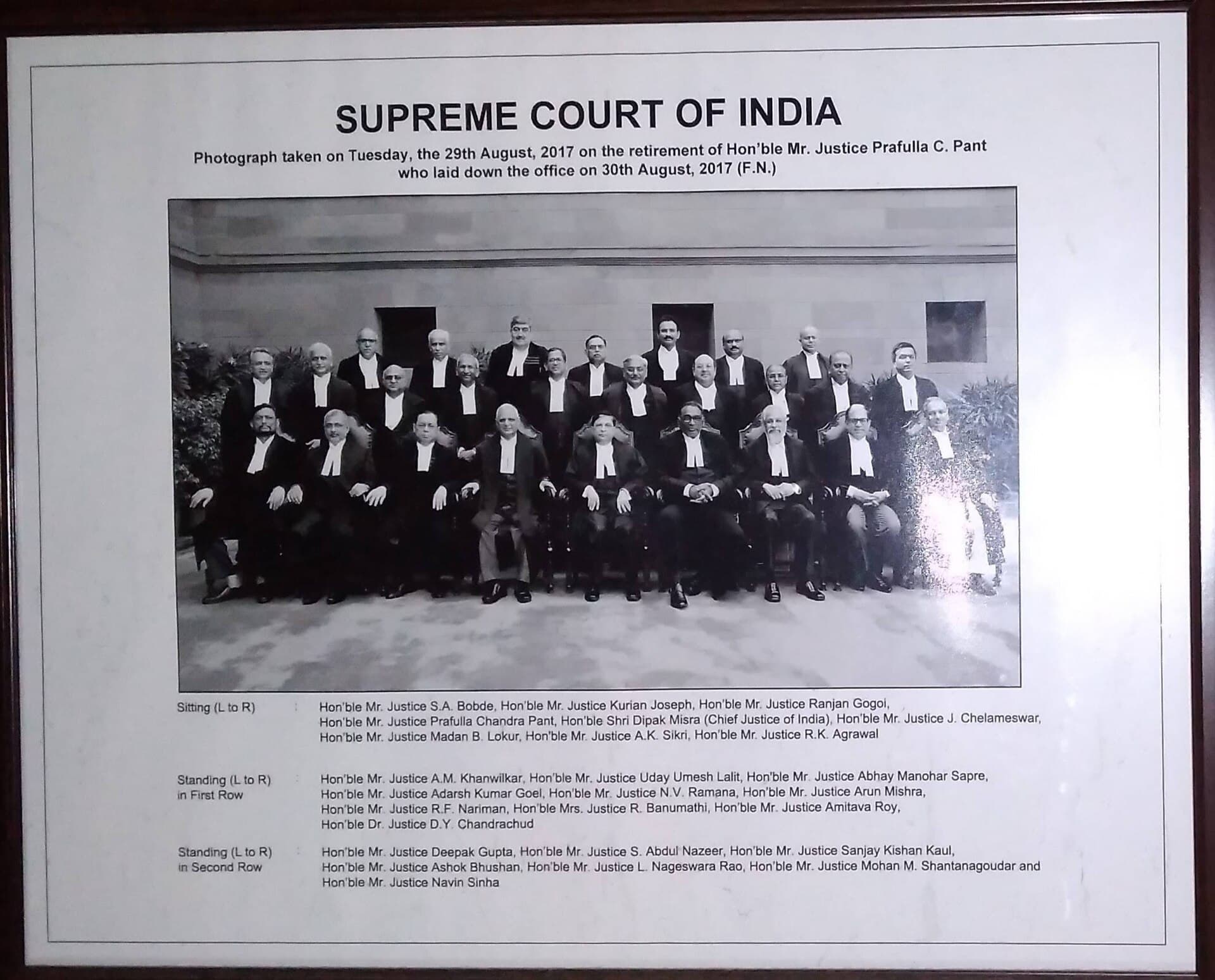
The Supreme Court on Friday rejected a challenge by the Karnataka government and upheld a high court ruling that permits bike taxi services to operate across the state. A bench consisting of Justices Satish Chandra Sharma and N Kotiswar Singh dismissed the appeal, retaining the legal relief previously granted to aggregators and operators.
During the proceedings, Justice Satish Chandra Sharma remarked that regulating bike taxis was preferable to banning them and noted that such services already function in 25 states. The bench further observed that bike taxis offer safety advantages for young passengers due to integrated global positioning systems.
Background of the Legal Dispute
The litigation stems from conflicting judicial rulings regarding the classification of motorcycles under the Motor Vehicles Act. In April 2025, a single-judge bench of the Karnataka High Court had directed bike taxi operators to suspend services within six weeks, citing a 2019 expert committee report concerning traffic impact and safety, while stating that motorcycles could not function as taxis without specific state rules.
However, a division bench on January 23, 2026, overturned that directive following appeals filed by Ola, Uber, Rapido, individual motorcycle owners, and the Bike Taxi Welfare Association. That ruling established that motorcycles could be registered as transport vehicles and utilized as contract carriages subject to regulatory compliance.
Arguments Presented by Parties
Representing the state government, authorities argued that motorcycles do not fit the statutory definition of a passenger transport vehicle intended for hire or reward, raising ongoing concerns regarding passenger safety, insurance protection, and adequate safeguards. Traditional auto and taxi driver associations similarly opposed the operations, asserting that bike taxi services should face regulatory obligations comparable to conventional transport providers.
In contrast, cab aggregators maintained that a blanket ban infringed upon their fundamental right to trade under Article 19(1)(g) of the Constitution and contended that executive actions by the state could not override provisions of the 1988 Motor Vehicles Act.
- The Supreme Court upheld the Karnataka High Court order permitting bike taxis.
- The bench noted that bike taxis are already active in 25 states and benefit from GPS tracking.
- State authorities and traditional union drivers opposed the services citing safety and statutory definitions.
Spotted an error? · Our editorial policy
UP NEXTSanjay Kapoor Stars in ‘Unexpected – Safed Sach’ Based on 2024 Dehradun CaseSwipe more stories · IndiaQuick cards, a few lines each. Tap to open.More from India

Prime Minister Narendra Modi Visits IIT Kharagpur for Platinum Jubilee Celebrations

Ladakh Holds First Local Body Elections Since 2019 Reorganization
YouTuber Remanded to Prison Following Re-enactment of Madurai Jewellery Heist