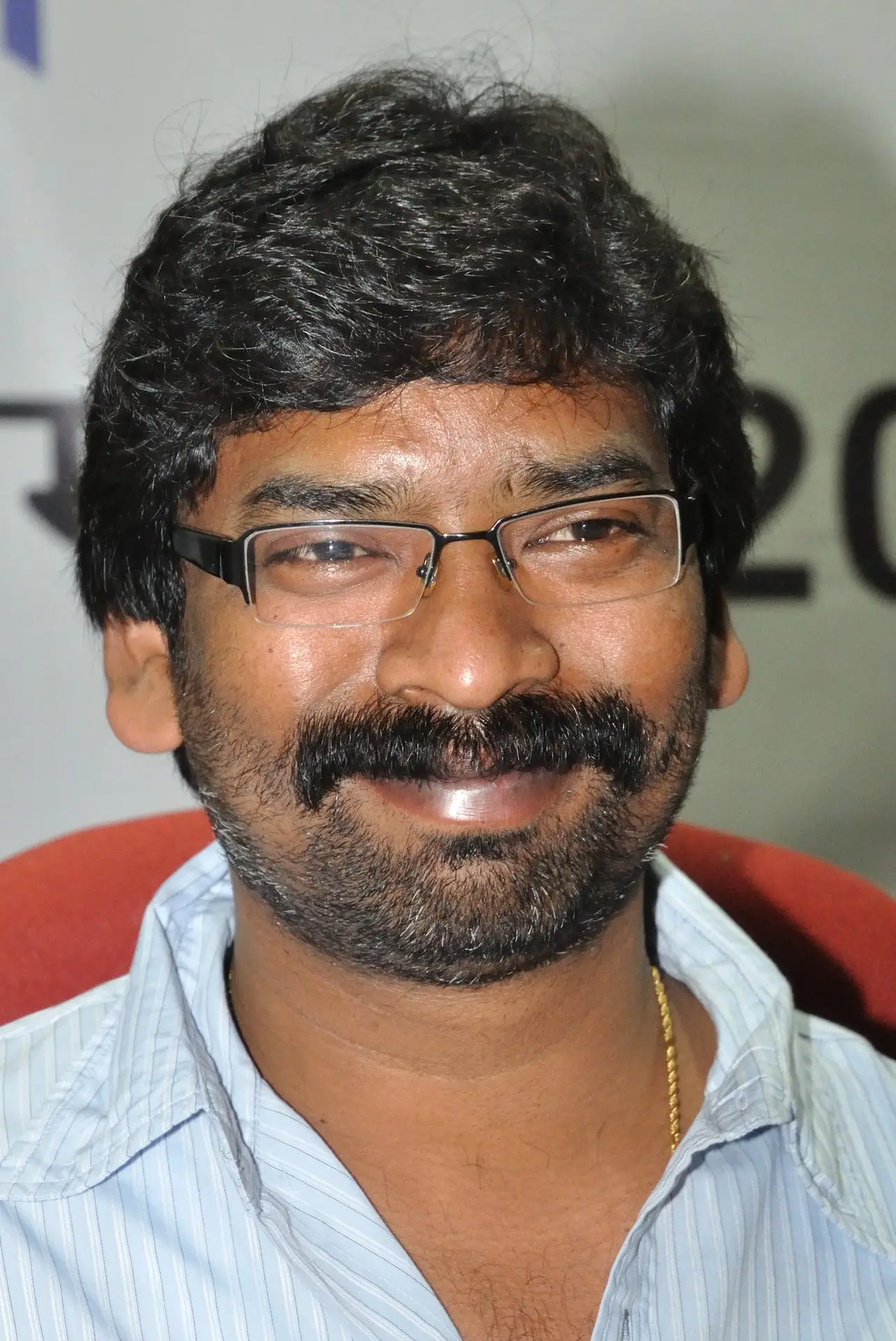
Sasakawa-India Leprosy Foundation Marks Two Decades of Social Inclusion and Livelihood Support
The Sasakawa-India Leprosy Foundation celebrated its 20th anniversary in New Delhi, highlighting nationwide expansion and national progress toward disease eradication.

- The Sasakawa-India Leprosy Foundation celebrated its 20th Foundation Day in New Delhi.
- Operations have expanded from three states in 2006 to 27 states and union territories.
- India's leprosy prevalence rate fell from 0.69 per 10,000 population in 2014-15 to 0.56 in the 2025-26 report.
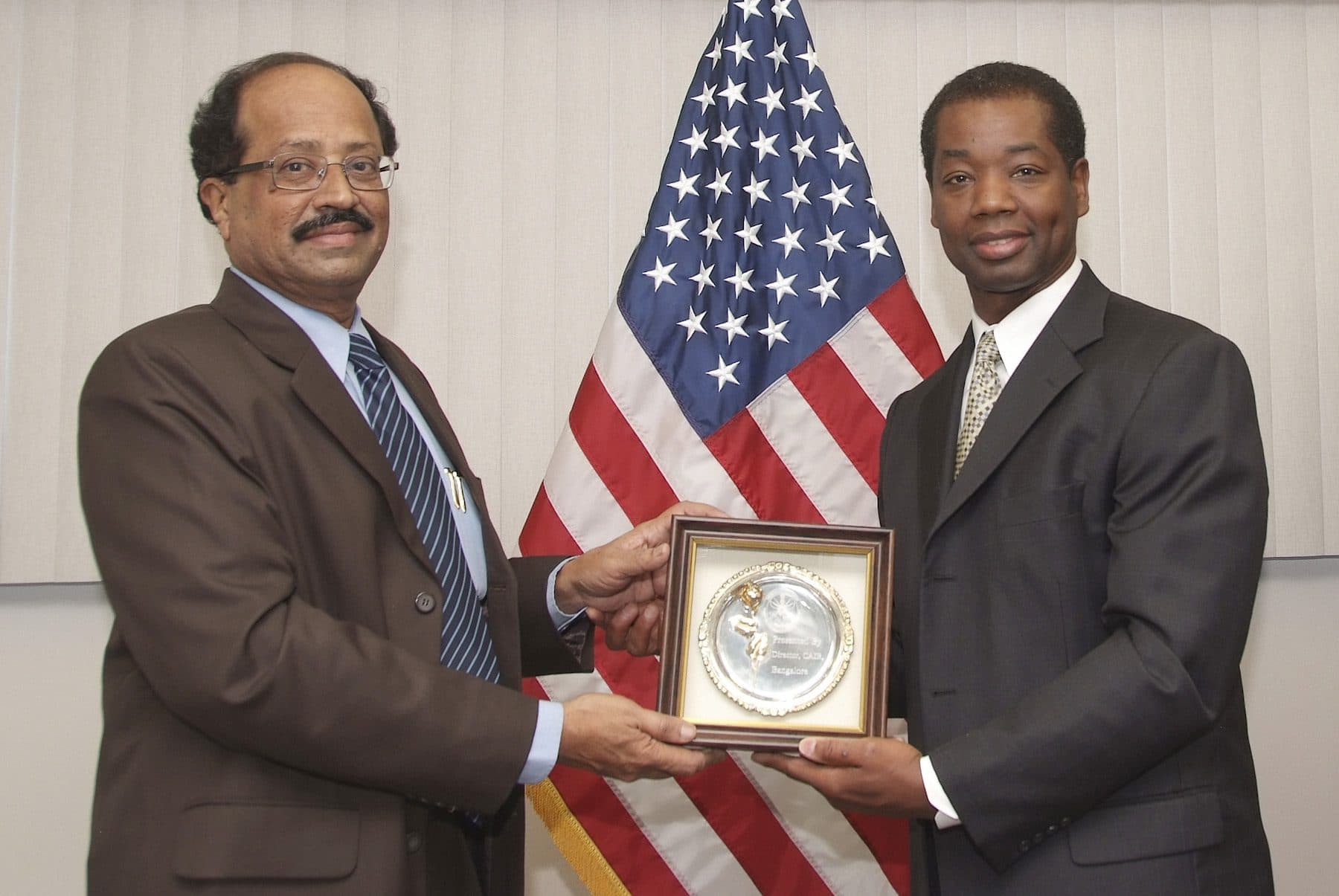
The Sasakawa-India Leprosy Foundation marked its 20th Foundation Day in New Delhi, commemorating two decades dedicated to fostering social inclusion, creating opportunities, and restoring dignity for individuals impacted by leprosy. Member of Parliament Baijayant Panda attended the observance as the chief guest alongside Foundation Chairman S. Mahalingam and Chief Executive Officer Gaurab Sen, joining partners, supporters, and residents from various leprosy colonies across the nation.
Two Decades of Nationwide Expansion
Established in 2006 shortly after India achieved national public health elimination of leprosy in 2005, the organization originally launched with operations in only three states following an inauguration by former President A. P. J. Abdul Kalam. Over the subsequent twenty years, the organization expanded its footprint across 27 states and union territories. Initial efforts centered on establishing sustainable livelihood opportunities for affected individuals, which later expanded to include educational scholarships for their children, healthcare access, skills development, humanitarian assistance, and awareness initiatives.
Addressing the assembly, S. Mahalingam reflected on the organizational trajectory and recognized former leaders, including the late Dr. Noordeen and Tarun Das, while acknowledging ongoing support from World Health Organization Goodwill Ambassador for Leprosy Elimination and Chief Patron Yohei Sasakawa. Mahalingam noted that although the country approaches the final stage of disease elimination, persistent challenges involving social stigma, discrimination, and exclusion require sustained attention to ensure medical eradication aligns with equality and opportunity.
National Eradication Targets and Strategic Initiatives
In a special video message, Yohei Sasakawa congratulated the foundation on its milestone and commended its partnership with the Association of Persons Affected by Leprosy as vital to its success. He reiterated a long-standing vision for an environment where no affected person relies on begging and communities operate free from prejudice. Chief Guest Baijayant Panda detailed broader national advancements under the National Leprosy Eradication Programme, pointing toward established 2027 objectives aimed at achieving zero transmission, zero disability, and zero discrimination.
Citing data from the National Leprosy Eradication Programme Annual Report for 2025–26, Panda reported a decrease in the national prevalence rate from 0.69 per 10,000 residents in 2014–15 down to 0.56, accompanied by an approximate 35 percent decline in the annual rate of new case detection during the same timeframe. Furthermore, 654 of 768 total districts reached a prevalence rate beneath one case per 10,000 residents, while 148 districts recorded interrupted transmission accompanied by an absence of new child cases across five consecutive years. He also drew attention to targeted measures such as the Sparsh Leprosy Awareness Campaign and ASHA-Based Surveillance for Leprosy Suspects.
Cultural Presentations and Future Commitment
The anniversary program featured a short documentary film illustrating the foundation's twenty-year progression, alongside beneficiary testimonials, a welcome song, and cultural performances staged by students from After School Learning Centres. Concluding the event, CEO Gaurab Sen thanked past and present leadership, donors, and team members while reaffirming the institutional commitment to eradicating remaining social barriers. Participants concluded the gathering by taking an anti-discrimination pledge focused on respect, equality, and inclusion.
- The foundation began operations in 2006 after national public health elimination was declared in 2005.
- 654 out of 768 districts have achieved a prevalence rate below one case per 10,000 population.
- The event concluded with an anti-discrimination pledge supporting full societal participation.
Spotted an error? · Our editorial policy
UP NEXTJensen Huang Reinstated as Nvidia Chief Executive After Eleven-Day AbsenceSwipe more stories · IndiaQuick cards, a few lines each. Tap to open.More from India
Prime Minister Modi Attends Shabad Kirtan in Delhi Ahead of Guru Nanak Dev’s Parkash Purab

Five Delhi Police Personnel Injured in Knife Attack at Jama Masjid Station

Excavator near high-risk Sheshnag Lake in Jammu and Kashmir triggers political and environmental outrage