Observing Children’s Day 2026: History, Legacy and Celebrations in India
Children’s Day in India falls on Saturday, November 14, 2026, commemorating the birth anniversary of the nation’s first prime minister, Jawaharlal Nehru.

- Children's Day falls on Saturday, November 14, 2026, in India.
- The observance marks the birth anniversary of India's first prime minister, Jawaharlal Nehru, born in 1889.
- Nehru wrote educational letters to his daughter Indira in 1928, later published as Letters from a Father to His Daughter.
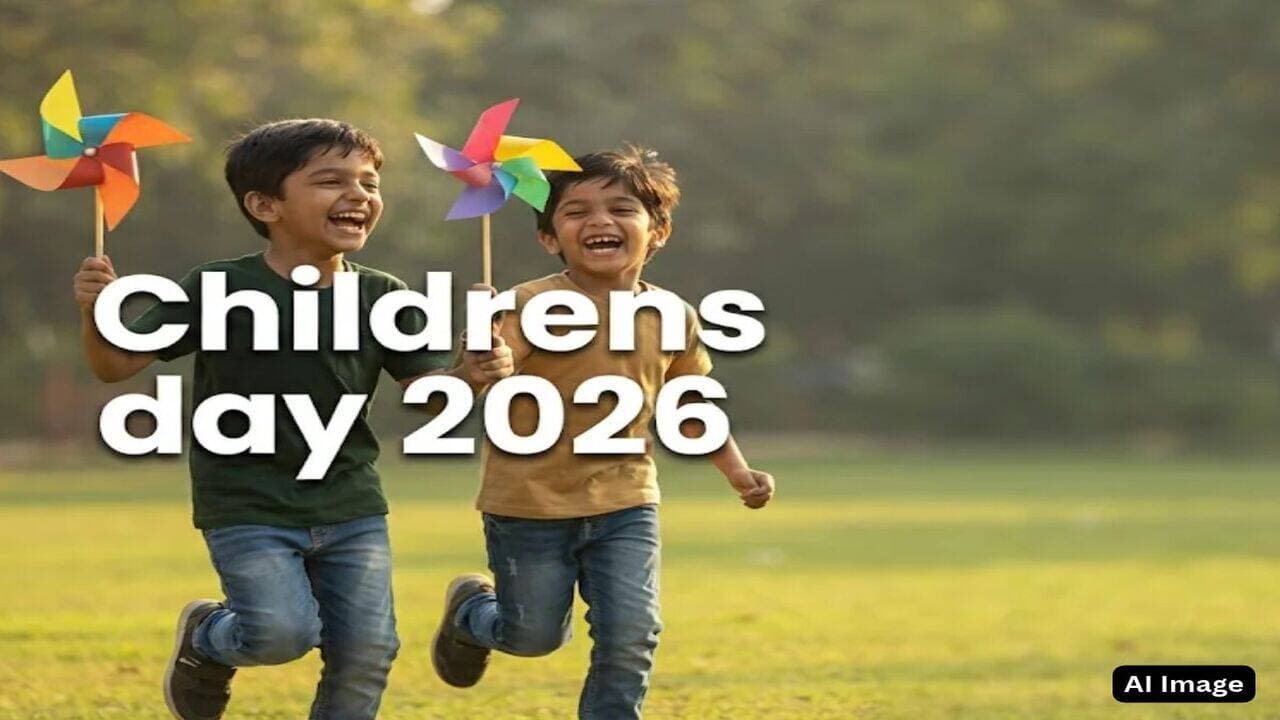
Children's Day in India is celebrated annually on November 14, which falls on a Saturday in 2026. Because the date often arrives while schools are in session, many educational institutions schedule their celebratory events slightly earlier, allowing festivities to get into full swing ahead of the official calendar date. While formal speeches are rarely what adults recall from their own school days, people often remember smaller gestures, such as a sweet handed out by a stern teacher or a free period that felt like an unexpected gift.
The Legacy of Chacha Nehru
The historical significance of the date is tied directly to the birth anniversary of Jawaharlal Nehru, who was born on November 14, 1889, in Allahabad, which is now known as Prayagraj. Nehru served as the first prime minister of independent India from 1947 until his death in 1964. Beyond his formal political career, he became widely known by the affectionate moniker 'Chacha Nehru', or Uncle Nehru, a nickname that persisted for decades among the nation's youth and general public.
Nehru's enduring popularity with younger generations was reinforced by his written works. In 1928, while his daughter Indira was still a young girl, he composed a series of letters from Mussoorie that explained complex historical concepts in plain terms, detailing how the world began, how life took shape, and how human societies developed. These letters were subsequently published as 'Letters from a Father to His Daughter'. Rather than talking down to a child, the correspondence demonstrated a belief that a ten-year-old could grasp substantial ideas if explained with kindness.
Philosophy on Youth and Education
Photographs of Nehru interacting with schoolchildren, typically wearing a rose pinned to his jacket, helped define his public image in India. He maintained a strong conviction that the manner in which a country raises its young population ultimately determines the future trajectory of that nation. He is widely quoted for the viewpoint that the children of today will shape the India of tomorrow, emphasizing the importance of taking young people seriously and encouraging their inquisitive nature.
Wishes, Messages and Social Media Greetings
In contemporary celebrations across India, the occasion is marked by sharing hundreds of digital wishes, messages, and greetings via platforms like WhatsApp and social media. Families and educators distribute specific messages tailored for students, encouraging them not to let the fear of failure stop them from trying new things. Popular greetings remind youngsters that marks do not define their personal worth, and that curiosity, character, and kindness matter just as much in their daily development.
Many messages reflect a lighthearted approach to the holiday, suggesting that the day belongs entirely to the children while adults handle cooking, carrying bags, and applauding. Traditional sentiments emphasize the value of imagination, urging young people to keep asking questions and to view ordinary days with a sense of wonder. Greetings also extend appreciation to teachers, students, siblings, and neighbors, fostering an environment where young ideas receive a rightful seat at the table.
- Schools across India often hold early celebrations ahead of the official November 14 date.
- Jawaharlal Nehru was affectionately known as Chacha Nehru by the nation's children.
- Widespread digital messages and greetings are shared on social media to inspire students and celebrate childhood.
Spotted an error? · Our editorial policy
UP NEXTSanjay Kapoor Stars in ‘Unexpected – Safed Sach’ Based on 2024 Dehradun CaseSwipe more stories · IndiaQuick cards, a few lines each. Tap to open.More from India
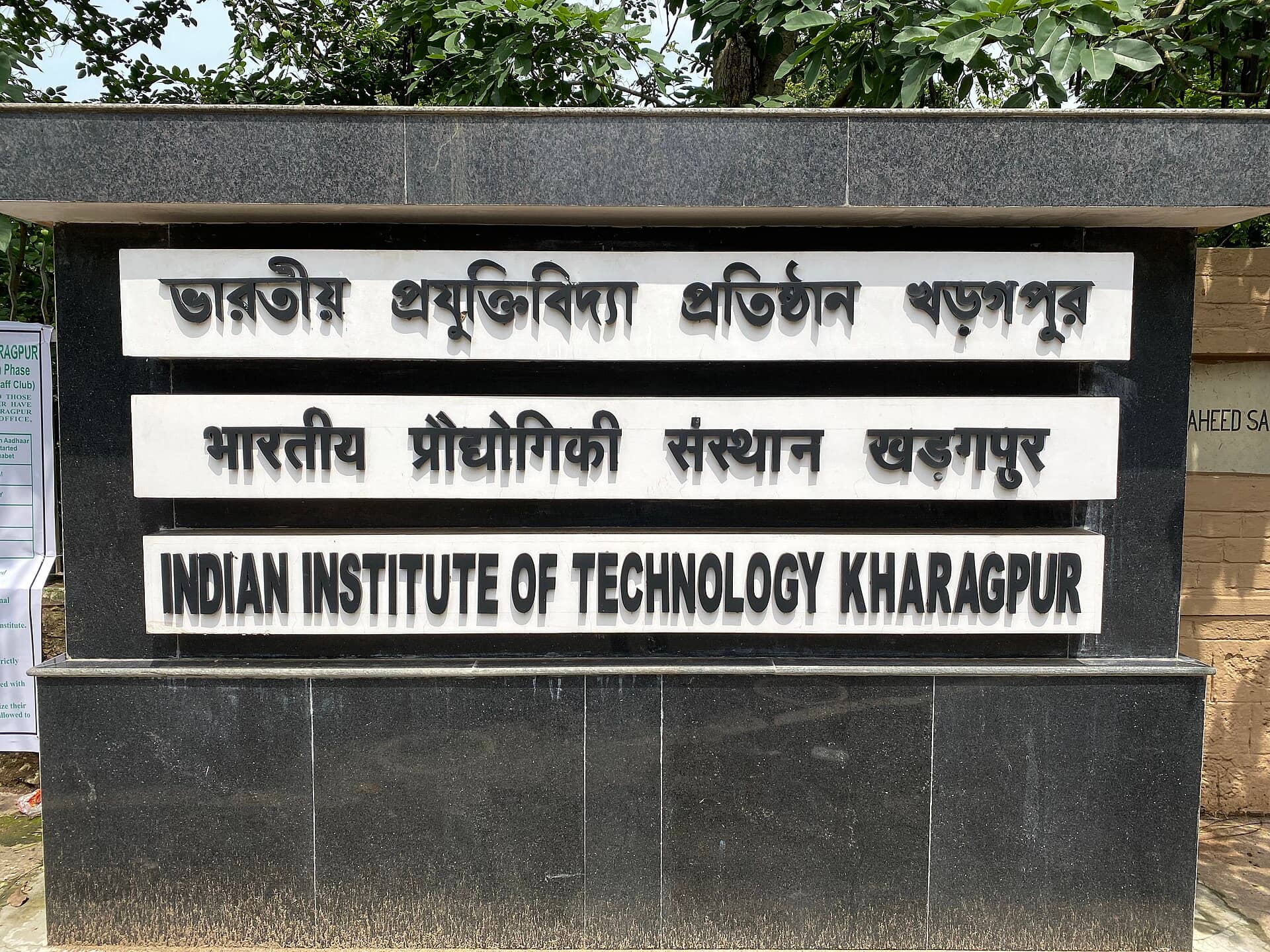
Prime Minister Narendra Modi Visits IIT Kharagpur for Platinum Jubilee Celebrations
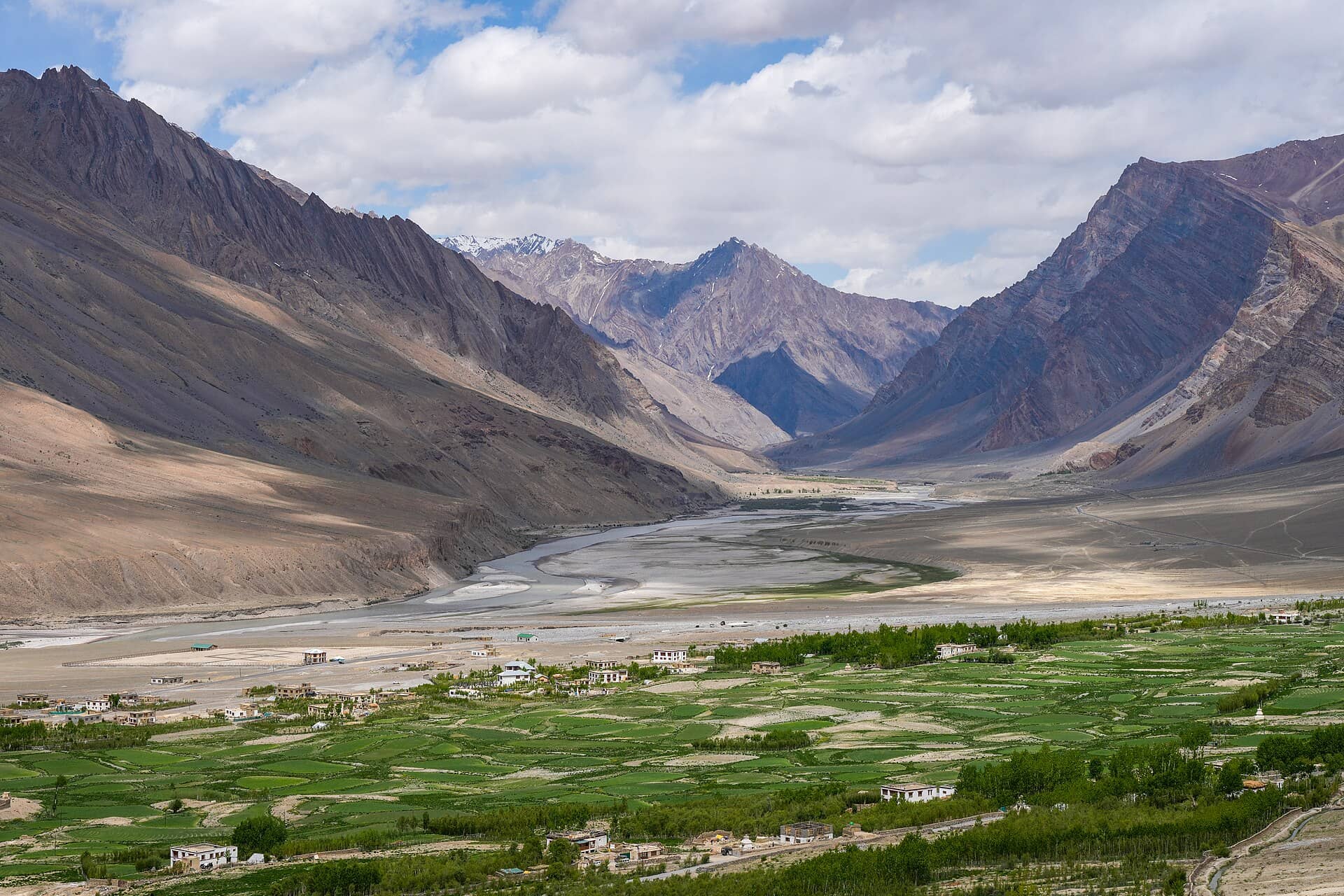
Ladakh Holds First Local Body Elections Since 2019 Reorganization
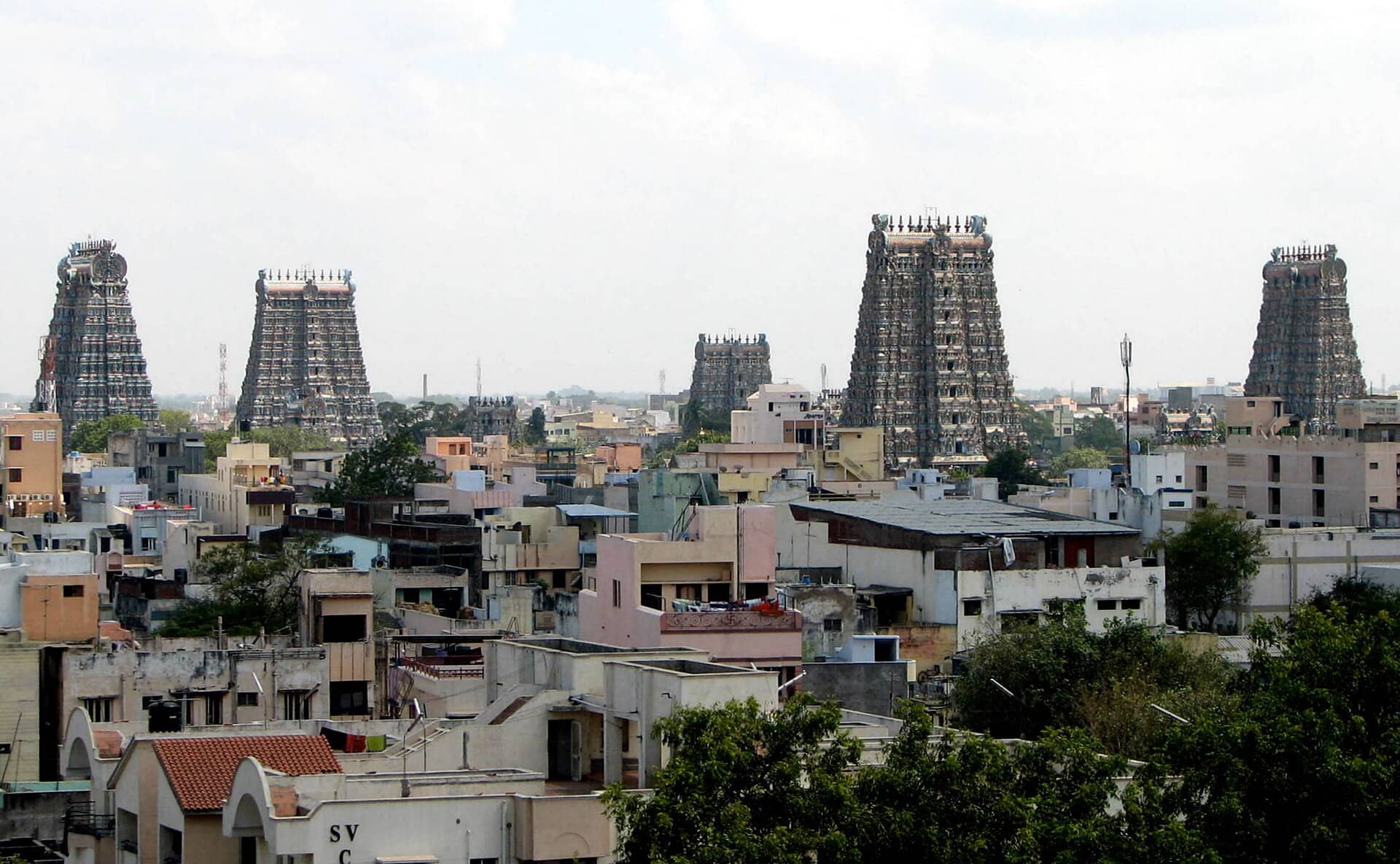
YouTuber Remanded to Prison Following Re-enactment of Madurai Jewellery Heist