Kerala High Court Quashes Suspension of 16 Kalady Sanskrit University Students and Orders Special Examinations
The Kerala High Court set aside the suspension and disciplinary inquiry report for 16 students of Sree Sankaracharya University of Sanskrit, citing severe procedural lapses and violations of natural justice.

- The Kerala High Court quashed the suspension of 16 Sree Sankaracharya University of Sanskrit students on Monday, November 23.
- Justice P.V. Kunhikrishnan ruled that the university violated principles of natural justice and committed severe procedural lapses during the inquiry.
- The court ordered special examinations to be conducted within six weeks for the affected students, honoring a previous undertaking given to the Supreme Court.
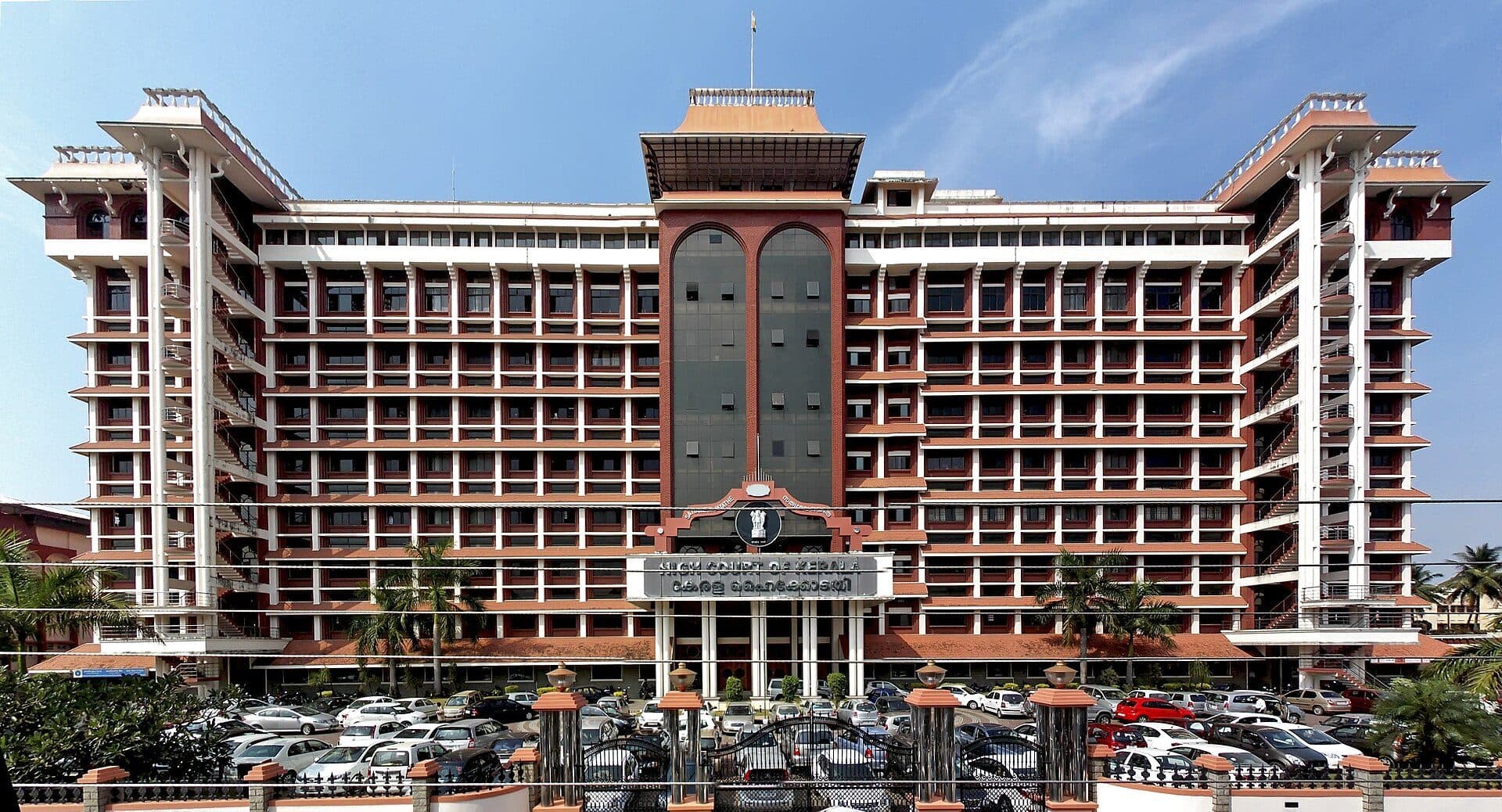
The Kerala High Court delivered a significant relief to 16 students of Sree Sankaracharya University of Sanskrit, Kalady, by nullifying their suspension and setting aside the underlying disciplinary inquiry report. Justice P.V. Kunhikrishnan issued the ruling after concluding that the institution had breached core principles of natural justice while pursuing action against the petitioners, who are affiliated with the Students Federation of India.
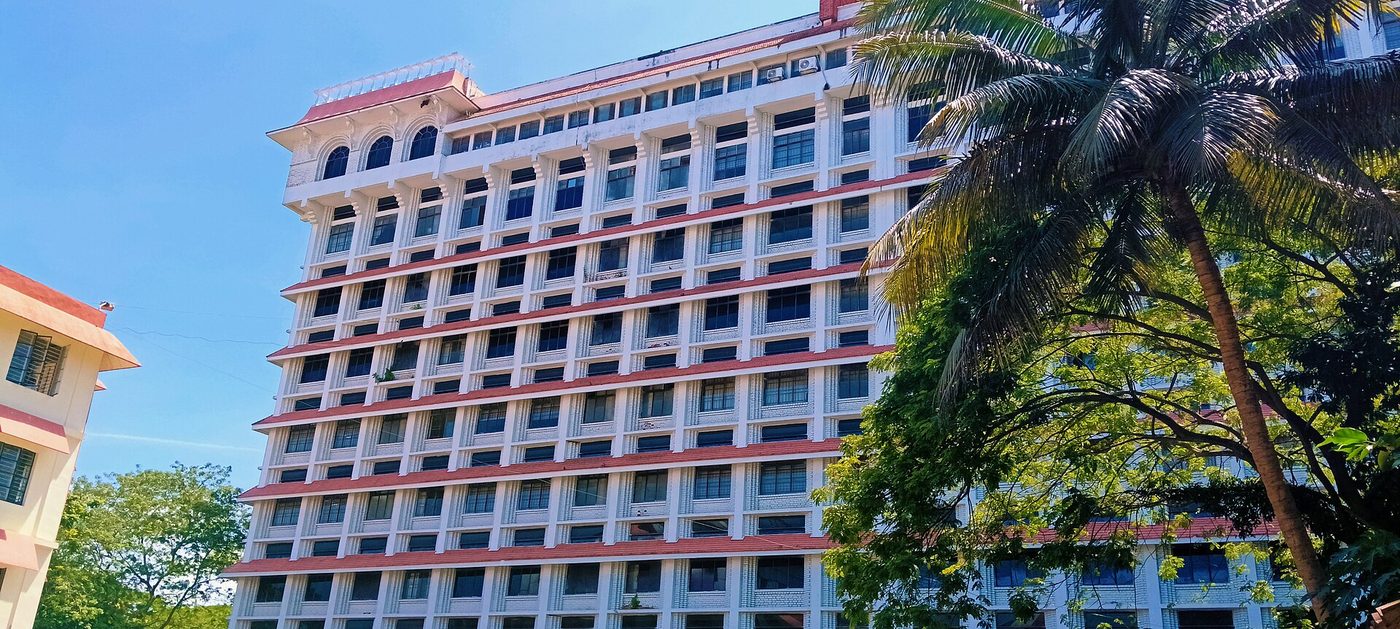
The court instructed the university to immediately readmit the students to the campus for regular classes. Additionally, the bench mandated that separate examinations must be organized within a six-week window for the affected students who were barred from taking their tests due to the suspension, thereby enforcing an unconditional commitment the university previously submitted to the Supreme Court. Out of the 16 petitioners, 10 missed examinations, while the remaining six are PhD research scholars who did not face examination disruptions.
The controversy originated from a demonstration held on August 13, following a series of campus protests that began on July 22. Students had gathered during a Syndicate meeting to voice multiple administrative and academic grievances, including 27 vacant lecturer positions, delayed fellowship disbursements, lack of printed certificates, and inadequate campus infrastructure. Following a confrontation during the protest, the Kalady police registered two FIRs, and the administration subsequently suspended the 16 students on September 1.
Procedural Lapses and Court Observations
Upon reviewing the judicial records, Justice Kunhikrishnan highlighted multiple severe procedural flaws in the institution's internal inquiry. The initial suspension orders and hearing notices failed to state specific charges or details of the alleged infractions, leaving the students unaware of the precise accusations against them. Furthermore, witness depositions—including an online statement by Vice Chancellor Ciza Thomas—were recorded in the absence of the students, who were simultaneously denied access to original complaints and prohibited from cross-examining witnesses.
The court also determined that the inquiry committee overstepped its official mandate by factoring in unrelated prior complaints and the individual backgrounds of the students. The resulting inquiry report was criticized for lacking proper evidentiary discussion to support its conclusions. The bench dismissed the university's defense that the students should have approached the Students Grievance Redressal Committee or the Ombudsperson, noting that those bodies are appointed by the university and that the Vice Chancellor was an aggrieved party in the matter.
While the court granted the institution permission to launch a fresh inquiry in strict compliance with legal frameworks, it prohibited any renewed suspension during the proceedings, emphasizing that the students had already served 84 days under suspension. The bench clarified that if any future inquiry finds the students culpable, the 84 days already served must be credited toward determining their penalty.
- The Kerala High Court set aside the disciplinary inquiry report and suspension of 16 students, citing severe procedural lapses.
- The university was ordered to permit immediate campus entry and hold special examinations within six weeks for those who missed tests.
- The court permitted a fresh inquiry under strict legal bounds but barred any new suspension during the proceedings.
Spotted an error? · Our editorial policy
UP NEXTJensen Huang Reinstated as Nvidia Chief Executive After Eleven-Day AbsenceSwipe more stories · IndiaQuick cards, a few lines each. Tap to open.More from India
Prime Minister Modi Attends Shabad Kirtan in Delhi Ahead of Guru Nanak Dev’s Parkash Purab
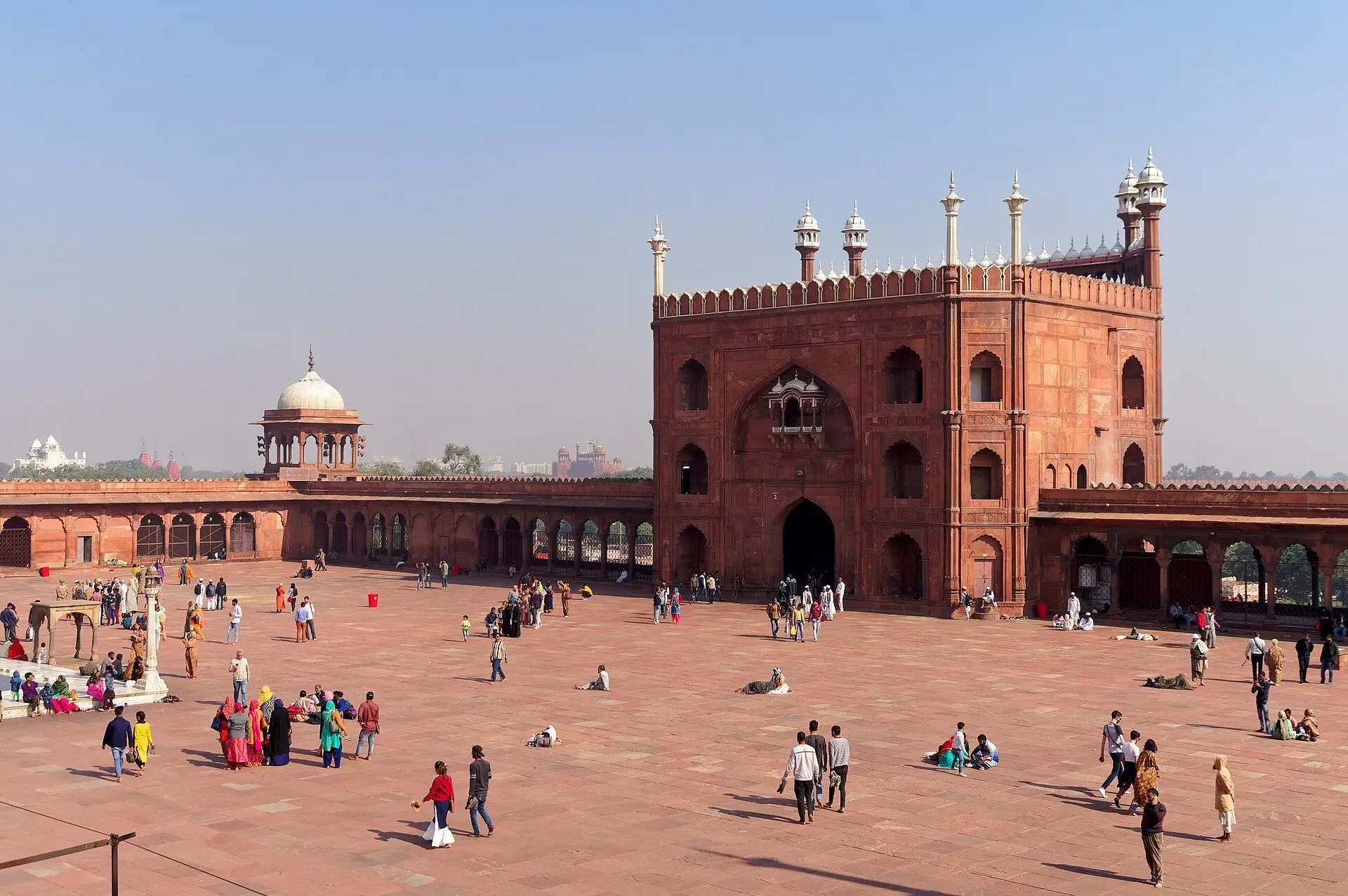
Five Delhi Police Personnel Injured in Knife Attack at Jama Masjid Station
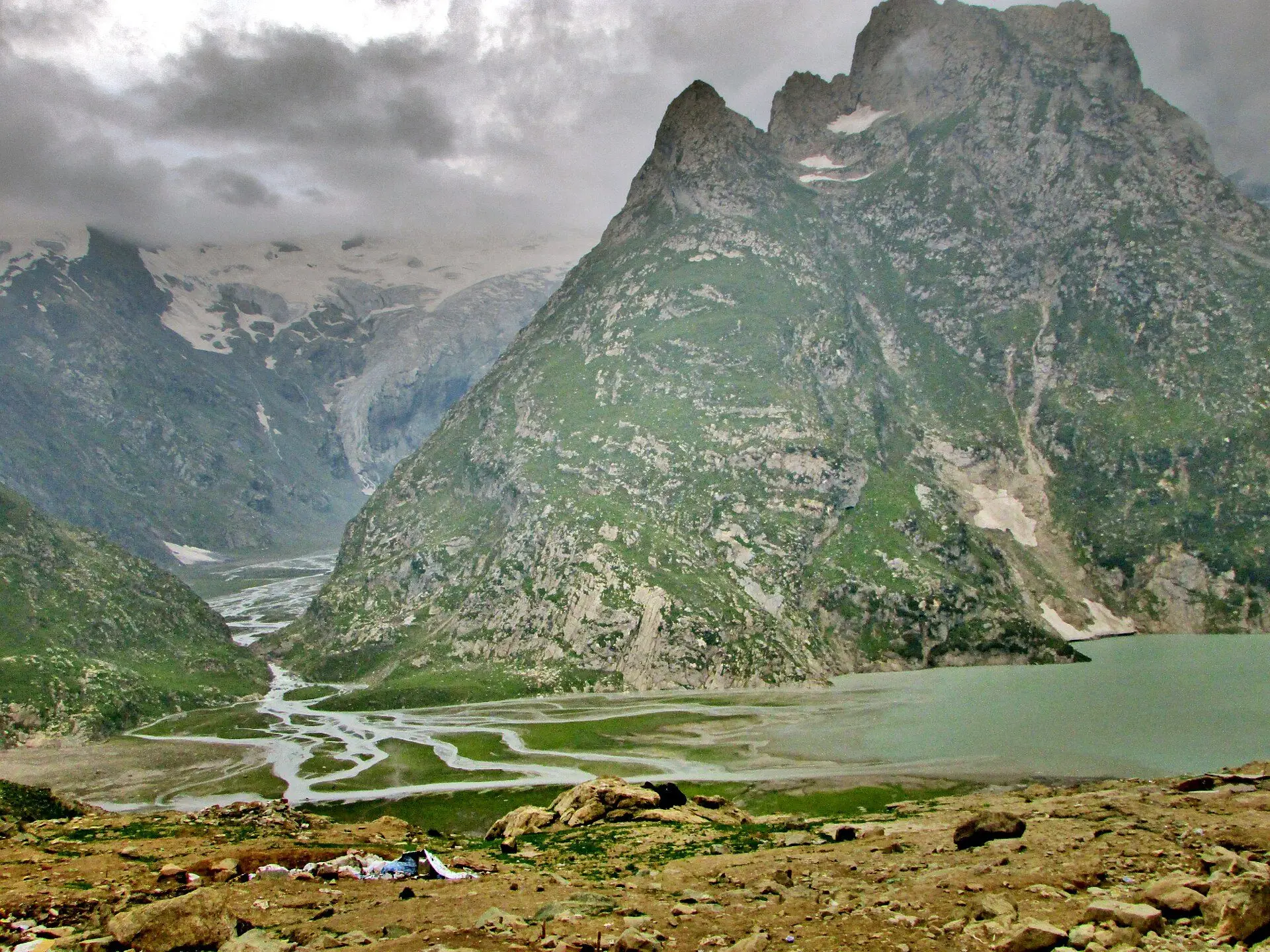
Excavator near high-risk Sheshnag Lake in Jammu and Kashmir triggers political and environmental outrage