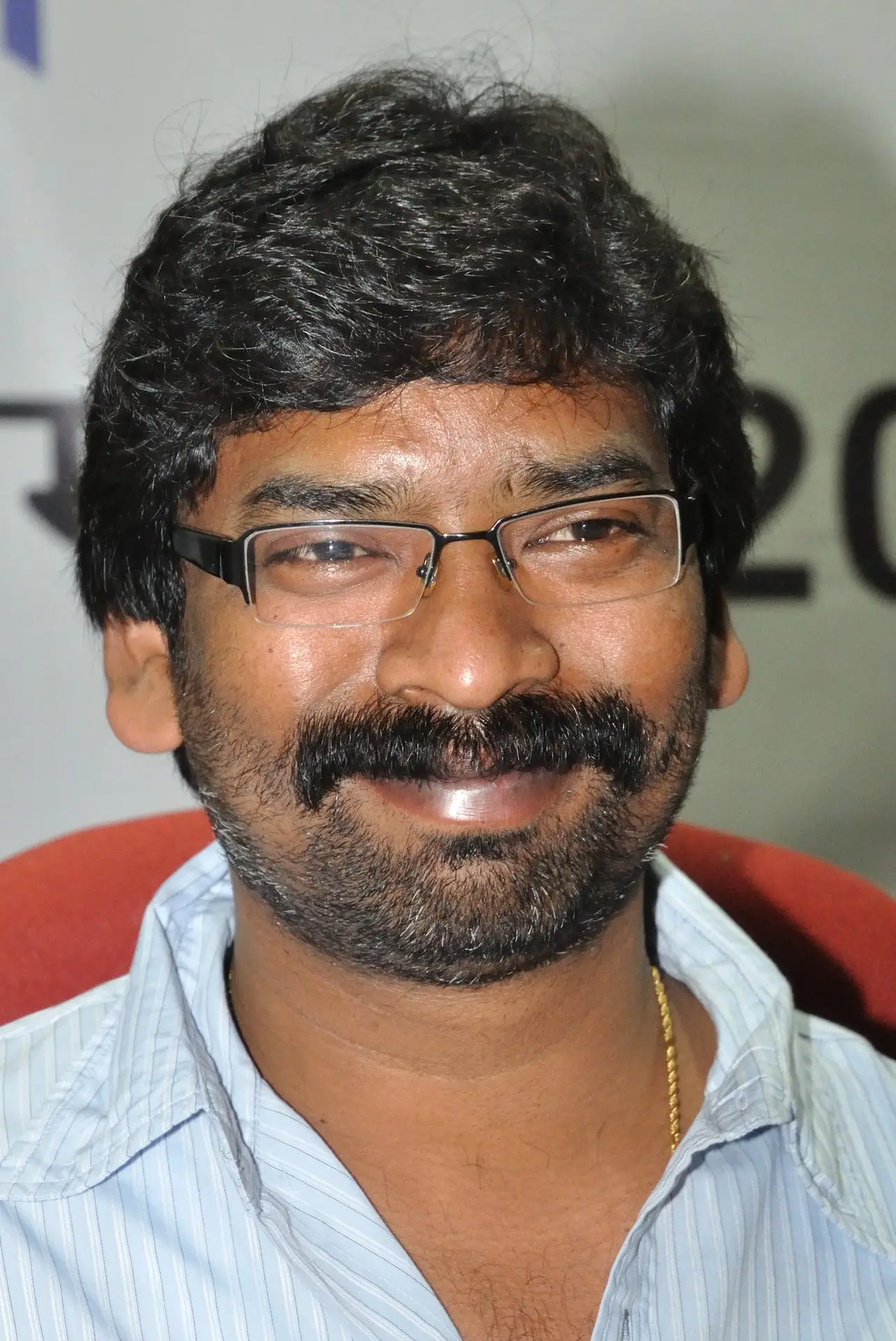
Delhi Environment Minister Claims 60 Percent of Yamuna River is Cleaned and Drinkable
Delhi Environment Minister Manjinder Singh Sirsa announced that 60 percent of the Yamuna river has been cleaned and targets full remediation by 2030.

- Delhi Environment Minister Manjinder Singh Sirsa claimed 60 percent of the Yamuna river is clean and its water is drinkable.
- Sirsa stated the entire river will be fully cleaned by 2029-2030 with support from Chief Minister Rekha Gupta and the Union government.
- The Supreme Court recently ordered the Central Pollution Control Board to monitor water quality at critical entry and exit points.
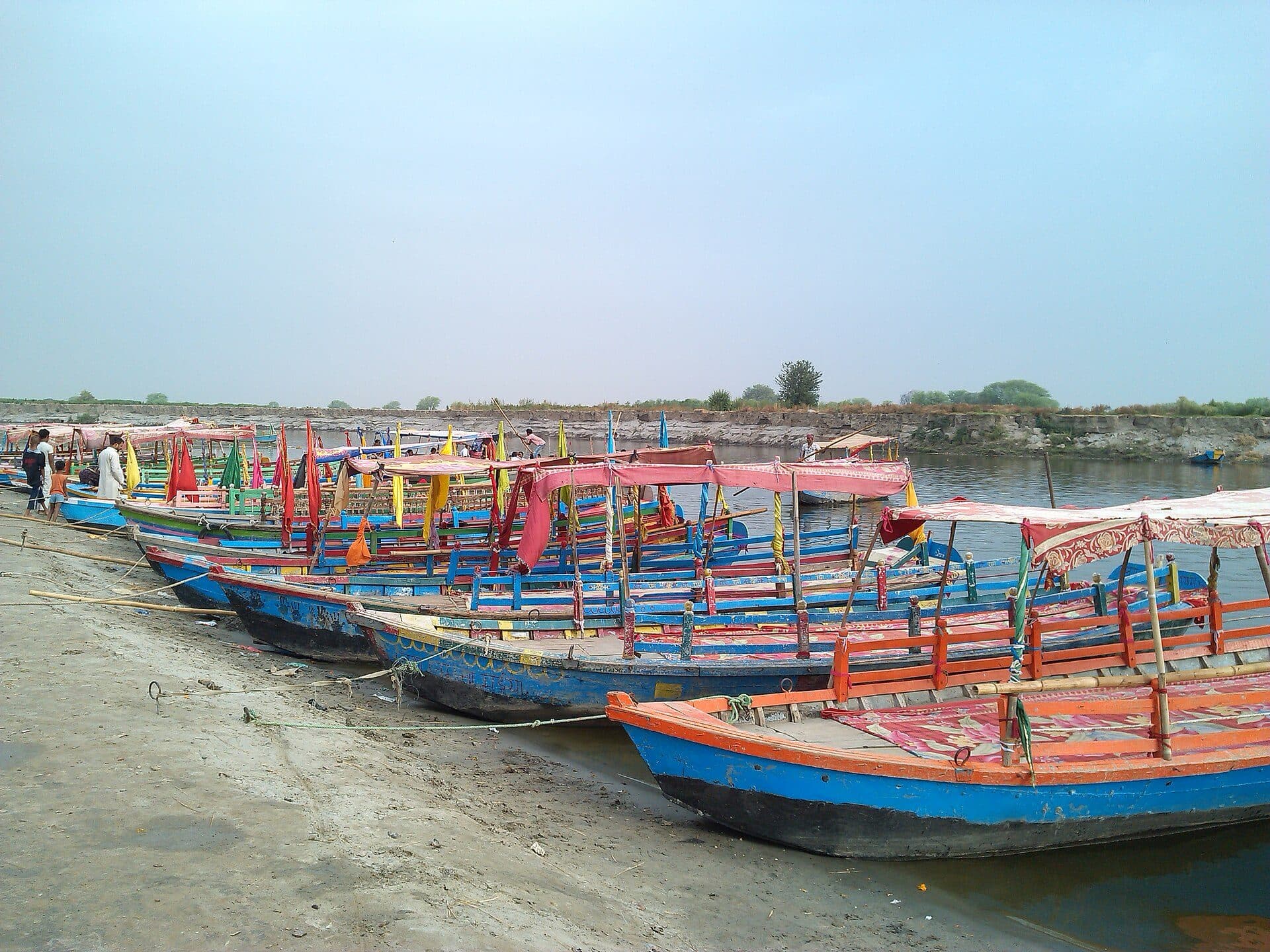
Delhi Environment Minister Manjinder Singh Sirsa stated on Monday that 60 percent of the Yamuna river has been successfully cleaned, asserting that the water is now potable. Speaking at the launch of a corporate report event in the capital, Sirsa attributed this progress over the past two years to Chief Minister Rekha Gupta and the backing of the Union government.
Cleaning Progress and Methods
According to the minister, the cleanup initiative has been executed in phases, beginning from one end of the watercourse and progressively moving toward the rest. He encouraged members of the public to visit the site to inspect the conditions firsthand. Sirsa acknowledged that untreated sewage flowing through municipal drains remains a primary obstacle and noted that authorities are deploying sewage treatment plants to process wastewater before it enters the waterway.
Judicial Scrutiny and Broader Pollution Measures
The ministerial claims arrive against the backdrop of recent judicial oversight regarding the state of the river. A Supreme Court bench comprising Justices Manoj Misra and Manmohan noted in a November 4 order that pollution levels had risen despite substantial spending. The court mandated the Central Pollution Control Board to monitor water quality at entry and exit points across states and Union Territories, emphasizing that intercepting industrial pollutants and untreated sewage at the source is vital, as building additional treatment plants alone is insufficient. The court also highlighted that 520 drains currently discharge wastewater into the Yamuna due to poor civic administration in nearby settlements.
Waste and Air Pollution Initiatives
Addressing wider environmental concerns, Sirsa claimed that 60 percent of the legacy waste accumulated over 25 years has been cleared in under two years with federal assistance. On air quality, he stated that Delhi experienced an increased number of clean-air days during October and the initial half of November compared to previous years, while stressing that public participation is essential alongside governmental action. Furthermore, he noted that vehicles failing to meet Bharat Stage-VI emission standards are barred from entering Delhi from neighboring National Capital Region areas, and pointed out that dust pollution is also generated by electric vehicle tire movements and cloud kitchen delivery networks.
- Sirsa credits the Union government and Chief Minister Rekha Gupta for cleaning progress over two years.
- Untreated sewage from 520 drains remains a major challenge noted by the Supreme Court.
- Pre-Euro VI emission vehicles are banned from entering Delhi from neighboring NCR districts.
Spotted an error? · Our editorial policy
UP NEXTJensen Huang Reinstated as Nvidia Chief Executive After Eleven-Day AbsenceOther angles · #Delhi government
Timeline →More from India
Prime Minister Modi Attends Shabad Kirtan in Delhi Ahead of Guru Nanak Dev’s Parkash Purab
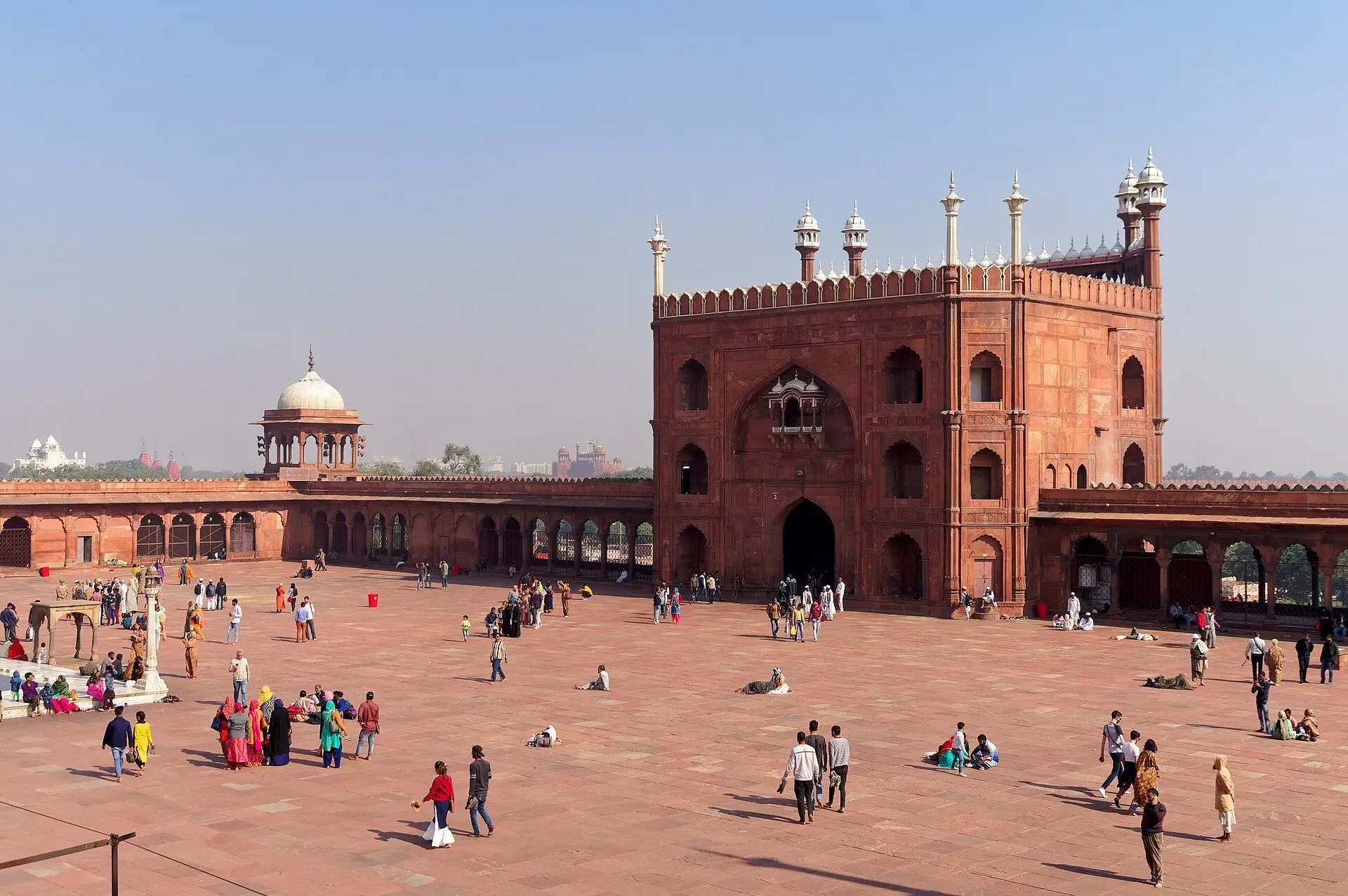
Five Delhi Police Personnel Injured in Knife Attack at Jama Masjid Station
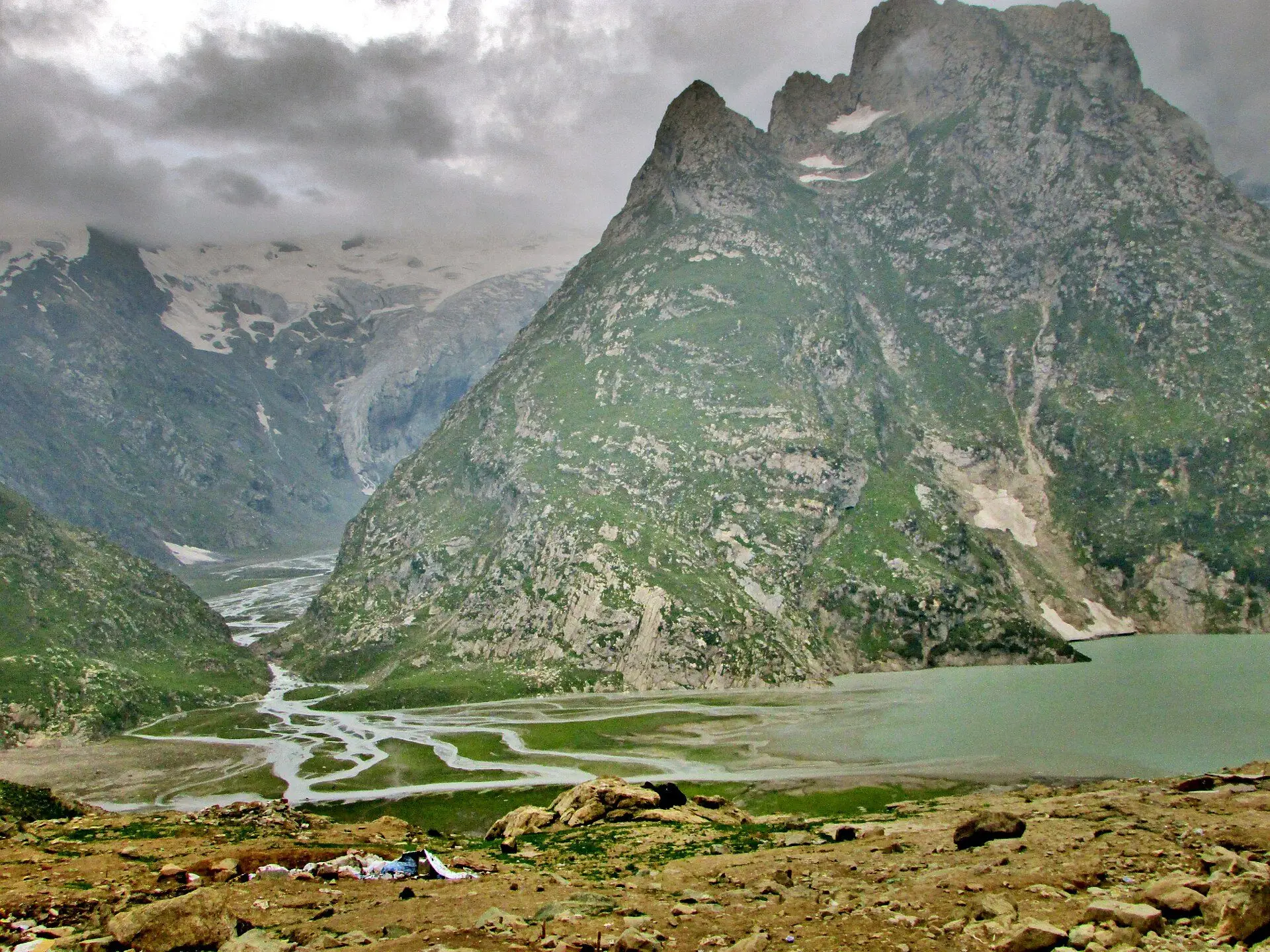
Excavator near high-risk Sheshnag Lake in Jammu and Kashmir triggers political and environmental outrage