US Retail Diesel Prices Drop Below Six Dollars a Gallon Amid Easing Market Pressures
Average retail diesel prices across the United States have fallen below six dollars a gallon for the first time in two months following a period of record highs.

- US national average retail diesel price fell to $5.998 on Saturday.
- Prices had remained above six dollars a gallon for two months after peaking at $6.519 on September 22.
- Gasoline prices also dropped below four dollars per gallon for the first time since August 10.
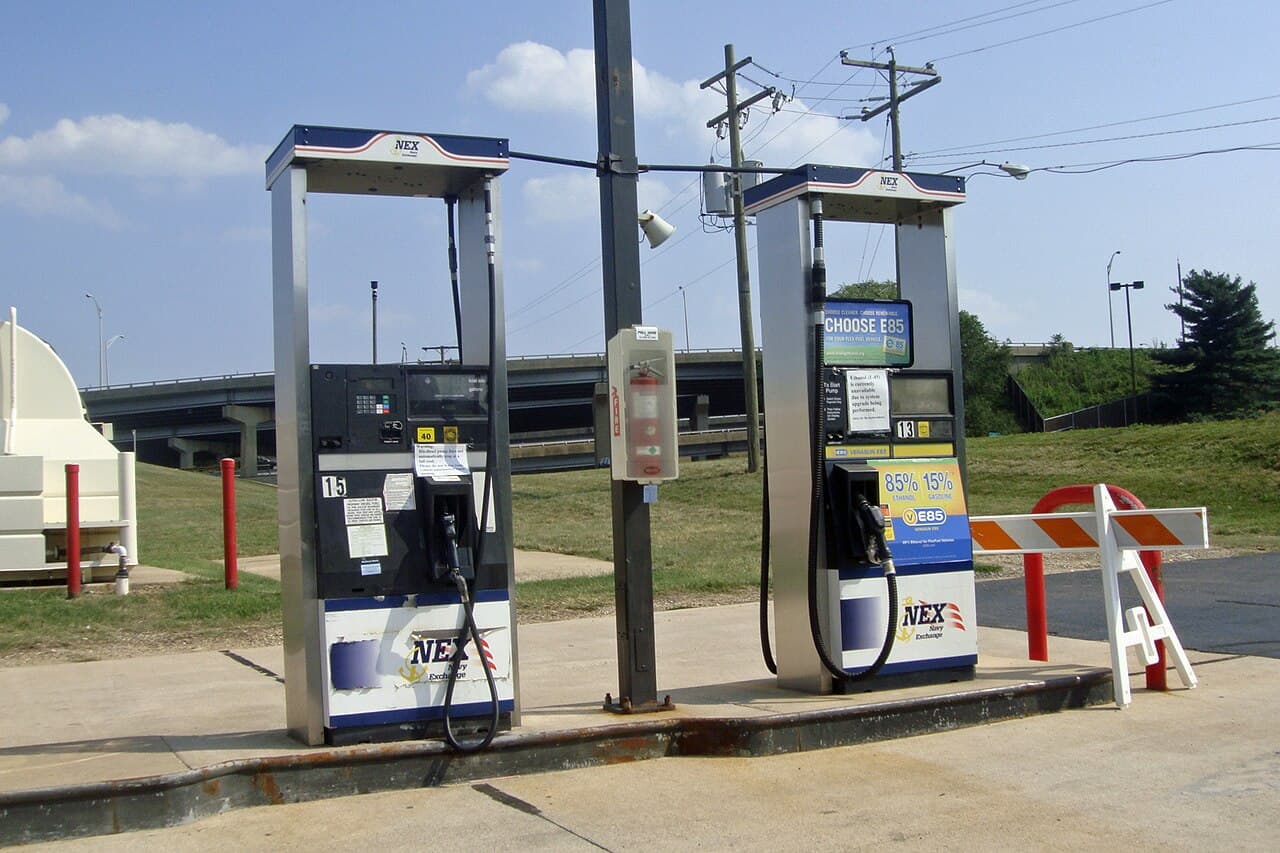
Average retail diesel prices across the United States have fallen below six dollars a gallon for the first time in two months following a period of record highs. Data compiled by fuel tracking service GasBuddy indicated that the national average retail price for diesel dropped to $5.998 on Saturday. This decline brings an end to a sustained period where prices remained above the six-dollar threshold, offering a measure of relief after months of severe fuel market pressures.
Record Highs and Historical Context
The recent peak in fuel prices followed a series of international disruptions that severely restricted global oil supplies and production capacity. Diesel costs initially surged past previous benchmarks set during the 2022 invasion of Ukraine. Prices climbed steadily through late summer, reaching $5.820 a gallon on September 3 before crossing the six-dollar mark on September 10. The upward trajectory culminated on September 22 when the national average hit an all-time record of $6.519 a gallon.
Global Conflict and Production Disruptions
Fuel markets experienced intense volatility driven by concurrent geopolitical conflicts affecting major energy producers. Operations were severely constrained by the military campaign involving the United States and Israel against Iran, which disrupted vital oil supply lines. Concurrently, systematic strikes targeting Russian refineries in Ukraine curtailed regional production output, further tightening global petroleum availability and driving wholesale costs upward across international markets.
Economic Impacts and Political Consequences
Elevated diesel expenses served as a primary driver of broader inflationary pressures throughout the economy, directly impacting transportation and freight shipping rates. These high operational costs created severe financial challenges for commercial businesses, agricultural producers, and everyday consumers. The resulting economic strain became a prominent factor in recent political developments, contributing significantly to the midterm elections where Democratic candidates secured majorities in both houses of Congress against President Donald Trump's Republican party.
Regional Disparities in California
While the national average recorded a downward trend, certain regions experienced far more acute price spikes due to local market conditions. In California, retail diesel prices briefly soared past ten dollars a gallon. Analysts attributed these extreme regional figures to localized factors, including tighter environmental fuel specifications and constrained petroleum refining capacity within the state compared to the rest of the country.
Government Intervention and Policy Measures
In response to mounting public pressure and economic hardship, the administration implemented several policy interventions designed to curb fuel expenses. Actions included the temporary suspension of federal taxes applicable to red-dyed diesel and an easing of certain sanctions affecting Russian fuel supplies. Additionally, authorities initiated an eight billion dollar financial support program intended to assist farmers with elevated fuel expenditures during the autumn harvest season. Despite these initiatives, ongoing supply anxieties stemming from the conflict in Iran largely neutralized the expected relief.
Crude Oil Trends and Seasonal Demand Shifts
Current price reductions are closely tied to broader movements in the crude oil sector alongside predictable seasonal demand cycles. Brent crude futures recorded an 18.5 percent decrease over a two-week period. According to Patrick De Haan, head of petroleum analysis at GasBuddy, autumn regularly brings a reduction in fuel consumption as public driving habits decrease, hurricane season concludes, and potential Gulf Coast refinery threats diminish.
Refinery Recovery and Gasoline Prices
Additional stability has returned to the market as major refinery maintenance schedules reached completion by November, allowing overall domestic production rates to recover. These combined seasonal and operational improvements also impacted the broader fuel market. GasBuddy data confirmed that retail gasoline prices fell below four dollars per gallon during the month, marking the first time prices dropped beneath that specific level since August 10.
- National average retail diesel dropped to $5.998 on Saturday.
- Brent crude futures declined by 18.5 percent over two weeks.
- Gasoline fell below four dollars a gallon for the first time since August.
Spotted an error? · Our editorial policy
UP NEXTDadasaheb Phalke International Film Festival Awards 2026: Taylor Swift and James Cameron Among WinnersSwipe more stories · BusinessQuick cards, a few lines each. Tap to open.More from Business

Felix Plaza in New Gurugram Expands as a Multi-Utility Retail and Entertainment Hub

Gold Drops to One-Year Low While Silver Falls Sharply Amid US Rate-Rise Expectations and Stronger Dollar

India’s Foreign Exchange Reserves Drop by $14.21 Billion to Three-Month Low