Supreme Court Upholds Decision to Remit Videocon Resolution Plan
The Supreme Court has confirmed that a proposed resolution plan for Videocon must be reconsidered by creditors due to legal non-compliance regarding payments to dissenting lenders.

- The Supreme Court upheld the NCLAT decision to remit the ₹2,962-crore Videocon resolution plan for reconsideration.
- The court ruled that dissenting creditors must be paid in money rather than non-convertible debentures.
- The CoC retains the authority to reconsider plans while legal challenges are pending.
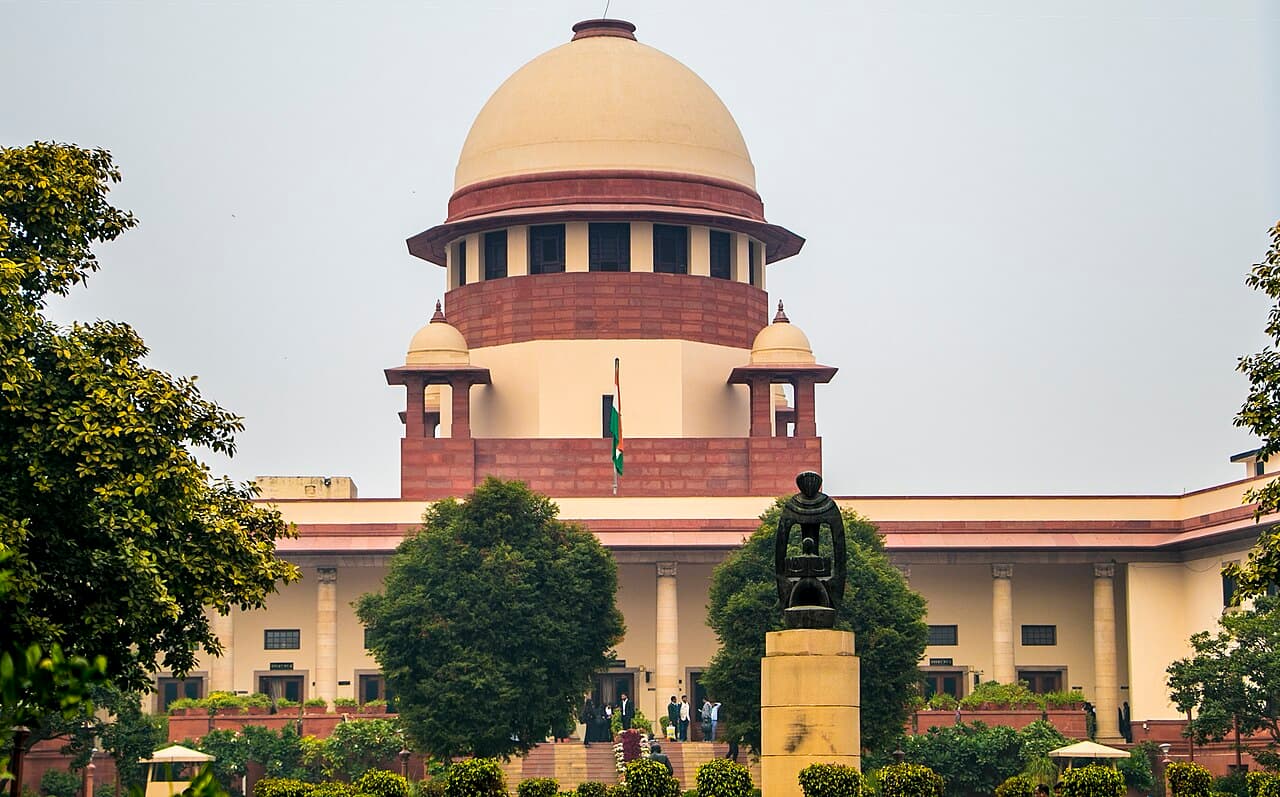
The Supreme Court of India has affirmed a decision by the National Company Law Appellate Tribunal (NCLAT) to send a ₹2,962-crore resolution plan for 13 Videocon group companies back to the committee of creditors (CoC) for further deliberation. The ruling, delivered by a Bench comprising Justices P.S. Narasimha and Alok Aradhe, concludes that the proposal submitted by Twinstar Technologies failed to adhere to mandatory requirements under the Insolvency and Bankruptcy Code (IBC) of 2016.
Legal Compliance and Dissenting Creditors
The core of the dispute centered on the treatment of dissenting financial creditors, who held roughly 3.077% of the voting share. The resolution plan, which had previously secured approval from 95.09% of the voting share in December 2020, sought to compensate these dissenting parties primarily through non-convertible debentures rather than monetary payments. The court reaffirmed that the legal framework requires payments to such creditors to be made in cash, ruling that the proposed deferred debentures did not satisfy statutory obligations.
The court further clarified that the National Company Law Tribunal (NCLT) exceeded its authority by unilaterally modifying the payment structure to mandate upfront cash for dissenting creditors. The Bench held that neither the NCLT nor the NCLAT possesses the power to rewrite a resolution plan; instead, if a plan is found legally deficient, it must be remanded to the CoC for necessary revisions.
Authority of the Committee of Creditors
The judgment addressed concerns regarding whether the CoC retains authority after initially approving a resolution plan. The Supreme Court ruled that the committee does not become functus officio upon its initial vote. Because the plan's approval faced legal challenges and a subsequent stay, the CoC remains empowered to reconsider its position. Furthermore, the court rejected claims regarding a lack of Competition Commission of India approval, noting that the required clearance had been secured prior to the conclusion of the voting process in 2020.
Future Oversight and Asset Disputes
To prevent procedural delays, the court established new guidelines for future remands. It emphasized that tribunals must exercise the power of remand sparingly, ensuring such actions are based on specific legal non-compliance and accompanied by strict adherence to timelines. The bench warned that frequent remands lead to increased costs and the erosion of asset value.
Additionally, the court denied a request by promoter Venugopal Dhoot to incorporate the overseas oil and gas assets of Videocon subsidiaries into the parent company's insolvency proceedings. The judges maintained that holding companies and their subsidiaries operate as distinct legal entities. Consequently, the court declined to intervene in the completed transfer of Brazilian interests to Bharat PetroResources Limited.
- The ruling reinforces that dissenting creditors in insolvency cases are entitled to cash payments.
- Tribunals are barred from modifying resolution plans themselves and must remand them to committees of creditors for adjustments.
- The CoC remains a functional body capable of reconsidering decisions even after an initial approval is challenged.
- The Supreme Court of India has affirmed a decision by the National Company Law Appellate Tribunal (NCLAT) to send a ₹2,962-crore resolution plan for 13 Videocon group companies back to the committee of creditors (CoC) for further deliberation.
Spotted an error? · Our editorial policy
UP NEXTSanjay Kapoor Stars in ‘Unexpected – Safed Sach’ Based on 2024 Dehradun CaseSwipe more stories · BusinessQuick cards, a few lines each. Tap to open.More from Business

Felix Plaza in New Gurugram Expands as a Multi-Utility Retail and Entertainment Hub

Gold Drops to One-Year Low While Silver Falls Sharply Amid US Rate-Rise Expectations and Stronger Dollar
India’s Foreign Exchange Reserves Drop by $14.21 Billion to Three-Month Low