Sunil Bharti Mittal Reflects on Five Decades of Bharti Enterprises and Outlines Future Goals
Bharti Enterprises founder Sunil Bharti Mittal marks fifty years in business, detailing the company’s evolution from manufacturing bicycle components to a telecommunications giant and his vision for digital expansion.

- Sunil Bharti Mittal started manufacturing bicycle parts in Ludhiana in 1976 at age 18.
- Bharti launched mobile services in Delhi in 1995, surpassing early subscriber forecasts within a year.
- Mittal advocates for average revenue per user to reach approximately Rs 350 monthly to support infrastructure investments.
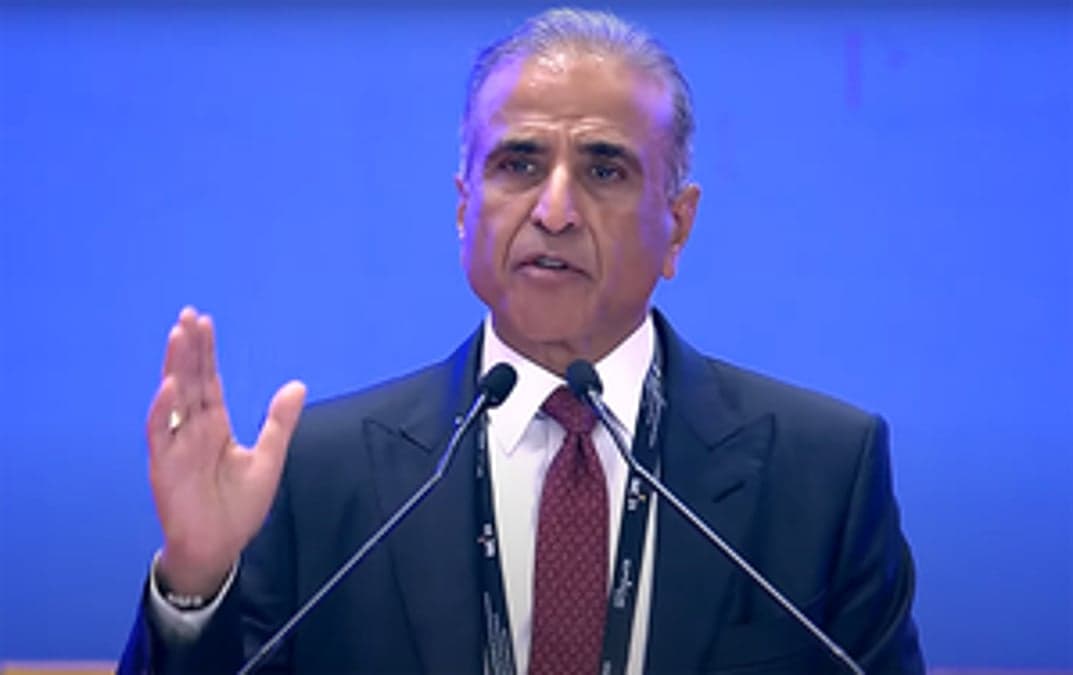
Sunil Bharti Mittal established a modest manufacturing unit producing bicycle components in Ludhiana at age eighteen, marking the beginning of a business career spanning fifty years. Today, as the founder of Bharti Enterprises, he oversees an expansive conglomerate anchored by flagship entity Bharti Airtel, positioned among leading telecommunications corporations globally. Over five decades, the enterprise expanded from early hardware production into mobile networks, submarine cable installations, and satellite communication systems, navigating market challenges and significant policy shifts.
Evolution from Manufacturing to Mobile Networks
Following initial operations involving bicycle parts, hosiery, and stainless steel sheets, the enterprise shifted toward importing and trading communication hardware such as push-button telephones, cordless devices, answering machines, fax machines, and portable generators. While generator sales thrived initially, regulatory adjustments regarding import policies caused the enterprise to collapse overnight, providing an early lesson in economic volatility. Observing cellular telephony advancements in France and Britain, Mittal anticipated domestic demand despite high initial device costs and launched mobile services in Delhi during 1995. Although early forecasts predicted a modest subscriber base, the network surpassed initial expectations within its first operational year.
Expansion Strategy and Market Challenges
A major strategic milestone involved expanding operations beyond major metropolitan centers into challenging regional markets where commercial demand remained unproven. Despite skepticism from competing leadership who warned against rural investments, the enterprise established a nationwide footprint across territories including Assam, Bihar, Odisha, and northeastern regions. Operating as the sole provider in certain areas for extended periods built organizational scale and confidence. The network layout relied on the assumption that decreasing costs and broader financial inclusion would eventually generate substantial demand across diverse demographics.
Future Digital Vision and Tariff Outlook
As the conglomerate reaches its anniversary, leadership aims to transition the core telecommunications provider into a technologically advanced digital entity encompassing artificial intelligence, sovereign cloud solutions, financial technology, and satellite capabilities. To support necessary infrastructure expansion and rising operational expenses, average revenue per user requires adjustment toward a benchmark of approximately Rs 350 monthly. Current metrics stand at Rs 271 for the September quarter, reflecting an increase from Rs 256 during the prior year, following industry-wide price adjustments enacted previously. Leadership notes that daily expenditures remain comparable to routine consumer purchases, ensuring continued accessibility to essential digital services.
- Bharti Enterprises celebrates 50 years since its founding as a bicycle parts maker in Ludhiana.
- The company expanded nationwide despite early warnings from competitors about rural market demands.
- Leadership aims to evolve the telecom operator into a technology company focused on AI, cloud, and satellite services.
Spotted an error? · Our editorial policy
UP NEXTIndia Takes Commanding 118-Run Lead Against New Zealand on Day 3 of First TestSwipe more stories · BusinessQuick cards, a few lines each. Tap to open.More from Business

Felix Plaza in New Gurugram Expands as a Multi-Utility Retail and Entertainment Hub

Gold Drops to One-Year Low While Silver Falls Sharply Amid US Rate-Rise Expectations and Stronger Dollar
India’s Foreign Exchange Reserves Drop by $14.21 Billion to Three-Month Low