India and Vietnam Set to Lead Asia-Pacific Growth by 2027 as China Slows, Says S&P
S&P Global Ratings projects India and Vietnam will lead Asia-Pacific economic growth in 2027, while China’s expansion is expected to soften.

- India and Vietnam are projected to lead Asia-Pacific growth in 2027 with 7 percent and 7.5 percent growth forecasts respectively.
- China's growth is expected to slow to 4.3 percent in 2027 due to weak domestic demand and a prolonged housing sector downturn.
- India's retail inflation reached 6.1 percent in October, exceeding the Reserve Bank of India's tolerance band of 2 to 6 percent.
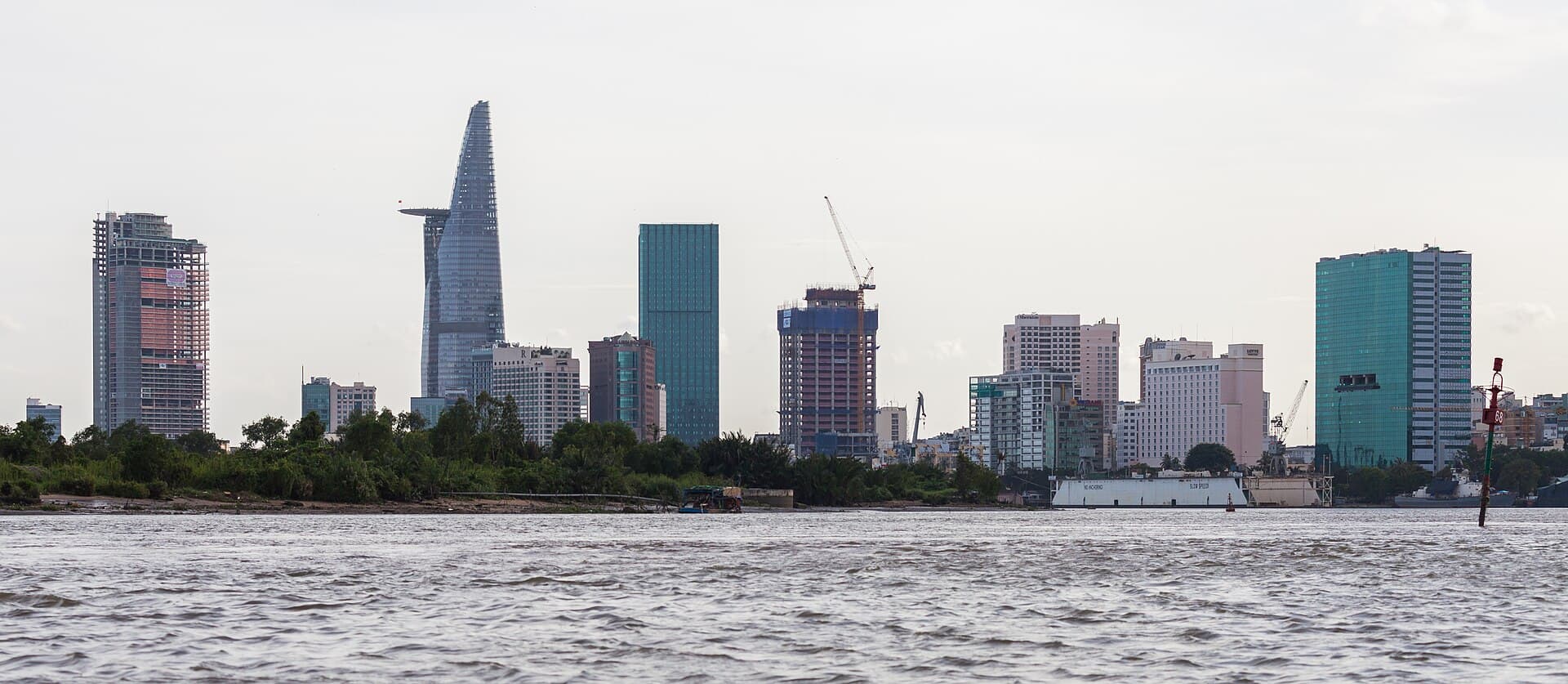
S&P Global Ratings has projected that India and Vietnam will emerge as the fastest-growing economies across the Asia-Pacific region in 2027. According to the agency's Economic Outlook released on Monday, India's economy is anticipated to maintain a 7 percent growth rate across both the current and the upcoming financial years. Meanwhile, Vietnam's economy is expected to expand by 7.5 percent, benefiting from robust policy stimulus and strong export performance. In contrast, China is projected to remain a regional weak spot, with economic growth expected to moderate to 4.3 percent in 2027, down from 4.5 percent the previous year, hampered by weak domestic demand, a prolonged housing downturn, and subdued consumption and investment.

Drivers of Indian Expansion and Regional Trends
The rating agency attributed India's recent economic performance during the June and September quarters to robust goods exports, increased public-sector investment, and resilient household consumption supported by strong credit growth. India's export capabilities have been aided by trade diversification, higher commodity prices, and deeper integration into global supply chains, with notable strength concentrated in electronic goods, chemicals, and engineering products. Across the broader Asia-Pacific area, overall economic growth is forecast to ease to 4.4 percent in 2027 from 4.8 percent. While regional exports continue to draw momentum from artificial intelligence infrastructure build-outs and technology shipments, S&P noted that tech export growth could soon peak due to challenging base effects and potential investment slowdowns in the United States and other key markets.
Inflation Pressures and Monetary Policy Outlook
Despite the positive growth trajectory, S&P warned that India faces a less favorable growth-inflation mix in the second half of the financial year as businesses increasingly pass higher input costs on to consumers. Uneven monsoon patterns, deficient summer rainfall, and lower reservoir levels pose risks to agricultural output, while persistent El Nino conditions threaten to keep food prices elevated. Retail inflation reached 6.1 percent in October, moving above the Reserve Bank of India's tolerance threshold of 2 to 6 percent. Consequently, S&P anticipates a 25-basis-point policy rate hike by the central bank in December, followed by another increase early next year, with inflation expected to average 5.3 percent for the fiscal year ending in March before easing to 4.7 percent the following year.
Global Headwinds and Key Economic Risks
The regional outlook remains exposed to several macro risks, including a potential sharp deceleration in global artificial intelligence spending, persistently high energy prices acting as an ongoing headwind, and steeper increases in global interest rates. S&P cautioned that prolonged high energy costs could drive up regional inflation and interest rates, while stronger pressure from US interest rates risks triggering capital outflows and currency depreciation in select developing economies. Furthermore, the agency indicated that the likelihood of major fresh economic stimulus from Chinese policymakers is limited, given that Beijing's 2026 growth target of 4.5 percent remains within reach.
- India's GDP growth is expected to hold at 7 percent for the current and upcoming fiscal years.
- S&P anticipates further monetary policy rate hikes by the Reserve Bank of India to counter rising inflation risks.
- Regional growth could be impacted by high energy prices, slowing AI-related spending, and global interest rate pressures.
Spotted an error? · Our editorial policy
UP NEXTBJP and Samajwadi Party Trade Barbs Over Religious Symbolism Ahead of 2027 UP PollsSwipe more stories · BusinessQuick cards, a few lines each. Tap to open.More from Business

Prime Minister Burnham Dismisses Predecessors’ Criticism Over EU Relations
Black & White Non-Alcoholic Carbonated Beverages and Dineout Launch Ticketed Supper Clubs Across Four Indian Cities

Tata Sons Postpones Board Meeting to November 30 Following Concerns Raised by Noel Tata