India and United States Advance Bilateral Trade Framework
Commerce and Industry Minister Piyush Goyal confirmed that India has secured an agreement for preferential trade access within the American market.

- Commerce Minister Piyush Goyal confirmed preferential market access for Indian goods in the US.
- The agreement is based on a framework discussed by Prime Minister Modi and President Trump.
- Negotiations are aiming to finalize the first phase of the deal by the end of the current financial year.
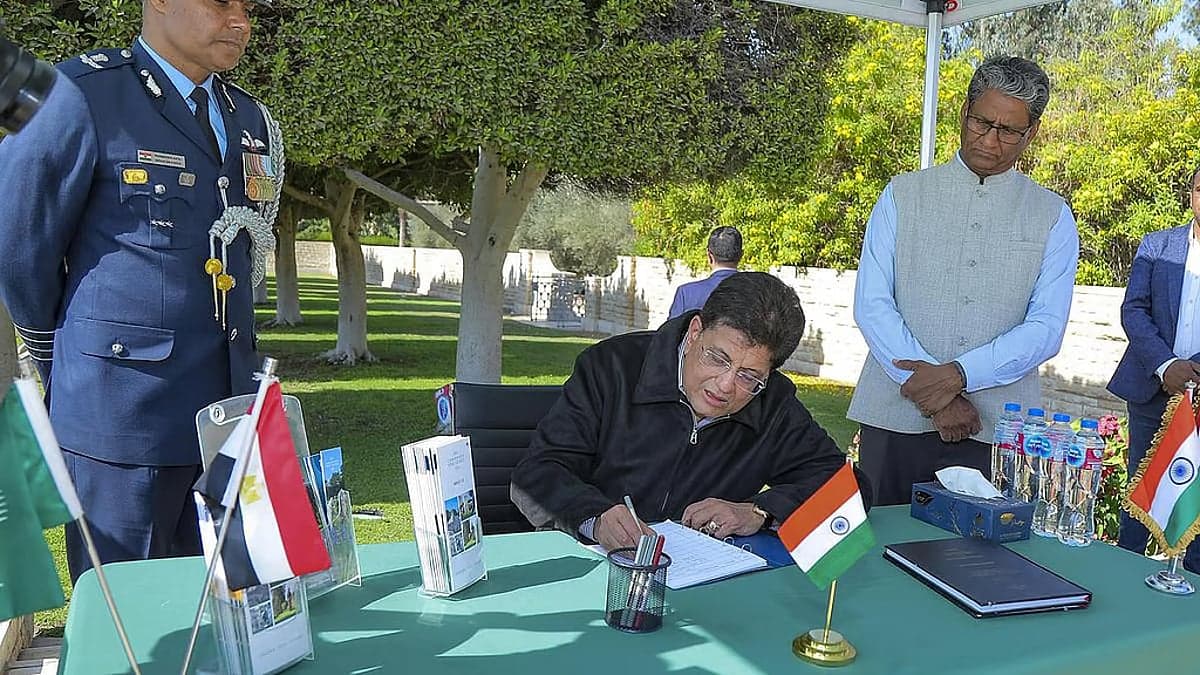
India and the United States have reached a consensus to grant Indian products preferential access to the American market, according to Commerce and Industry Minister Piyush Goyal. This arrangement aims to provide Indian exports with lower tariff rates than those applied to competing nations, building upon a broad framework established during previous discussions between Prime Minister Narendra Modi and President Donald Trump.
Negotiation Progress and Timelines
The two nations completed the structure for the initial stage of this bilateral trade agreement back in February. Although officials had originally intended to finalize the deal sooner, shifts within the United States tariff landscape necessitated additional rounds of negotiation. Representatives from both countries are currently focused on concluding this first phase by the end of the ongoing financial year. Beyond this immediate goal, authorities are engaged in ongoing dialogue regarding a more comprehensive trade pact.
Minister Goyal, speaking while on a diplomatic mission to Egypt to promote bilateral investment, emphasized that the specific degree of benefit for Indian goods remains contingent upon the final design of the tariff structure. As the framework evolves, officials must balance these objectives against the current economic climate.
Regulatory Adjustments in Washington
The path toward this agreement has encountered legal complexities. After the United States Supreme Court invalidated reciprocal tariffs that were originally central to the negotiation strategy, the American government pivoted to alternative strategies. Washington is now utilizing specific provisions under the national Trade Act to establish a updated architectural approach to tariffs. This shift allows the United States to continue pursuing the arrangement with India despite the judicial setbacks to previous policies.
While the broader bilateral trade agreement remains a long-term target, the immediate focus remains on the successful transition and implementation of the first tranche. Both parties are actively monitoring the unfolding tariff environment to ensure that the agreed-upon comparative advantages for Indian exporters are effectively realized within the American regulatory framework.
- India has secured a promise of lower duties compared to other competitor nations for its exports to the US.
- The agreement involves a multi-phase implementation, with the first phase targeted for completion by the end of the financial year.
- Changes to US trade law have required both countries to adapt their negotiation strategies.
- India and the United States have reached a consensus to grant Indian products preferential access to the American market, according to Commerce and Industry Minister Piyush Goyal.
Spotted an error? · Our editorial policy
UP NEXTSanjay Kapoor Stars in ‘Unexpected – Safed Sach’ Based on 2024 Dehradun CaseOther angles · #India
Timeline →- NewsIndia Notes ICJ Genocide Verdict on Rohingya, Highlights Support for Safe Return
- NewsIndia Rejects US Court Summons in Civil Lawsuit Filed by Gurpatwant Singh Pannun
- NewsIndia Supports Rohingya Repatriation Following Historic ICJ Genocide Ruling Against Myanmar
- NewsIndia Declines Comment on Bangladesh Leader’s Remarks Regarding Alleged Conspiracies
More from Business

Felix Plaza in New Gurugram Expands as a Multi-Utility Retail and Entertainment Hub

Gold Drops to One-Year Low While Silver Falls Sharply Amid US Rate-Rise Expectations and Stronger Dollar

India’s Foreign Exchange Reserves Drop by $14.21 Billion to Three-Month Low