Developing Nations Face Record $9.4 Trillion External Debt Amid Rising Servicing Costs
External debt among low- and middle-income countries reached an all-time high of $9.4 trillion in 2025, driven by increased borrowing and a weakening US dollar.

- External debt for low- and middle-income countries reached USD 9.4 trillion in 2025, up 5.5 per cent from 2024.
- Total debt service payments increased for the fifth consecutive year to USD 1.4 trillion in 2025.
- International Development Association countries faced an average interest rate of 8.2 per cent on new commitments, the highest since the late 1980s.
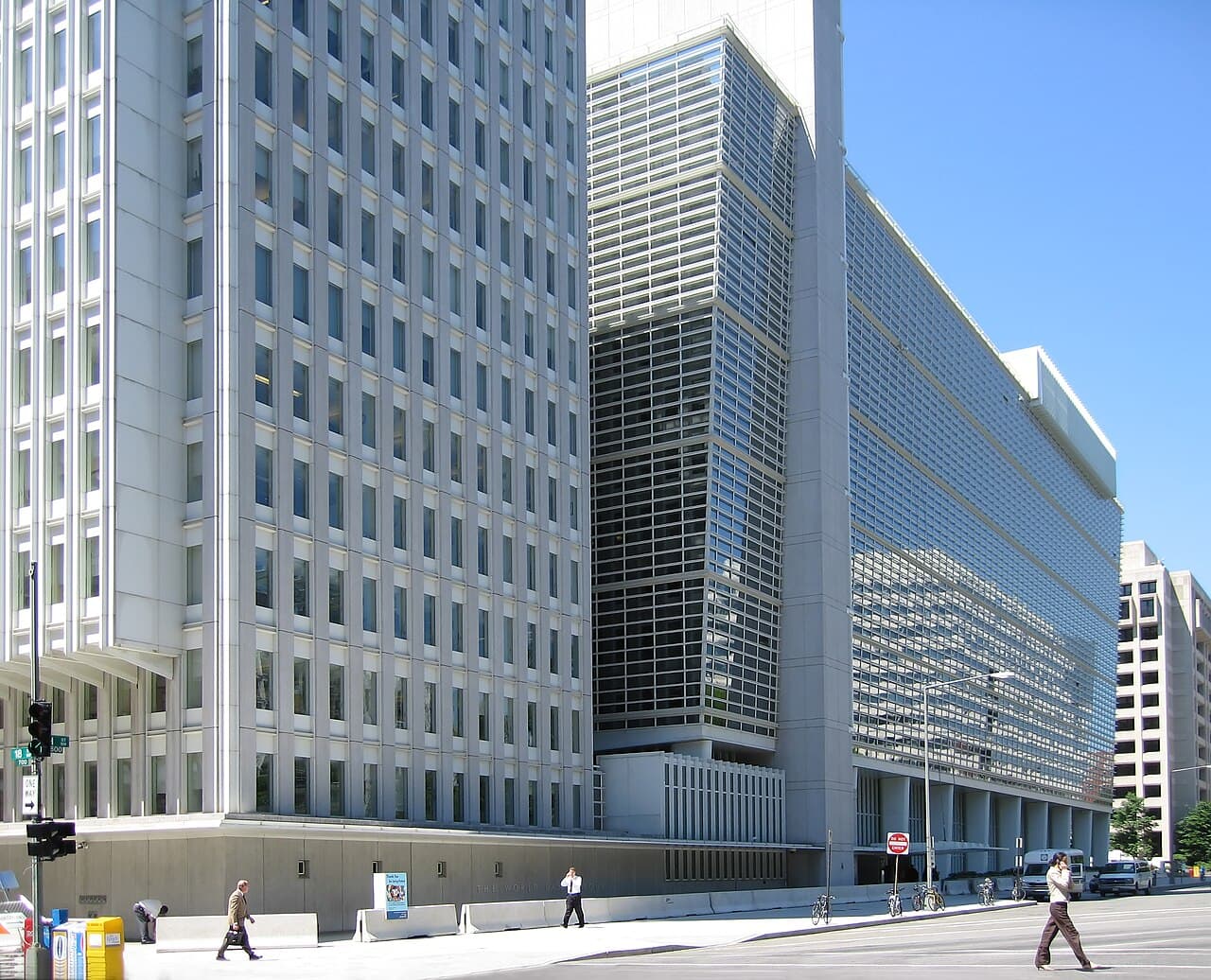
External debt across low- and middle-income nations climbed to an all-time high of USD 9.4 trillion, marking a 5.5 per cent increase from the USD 8.9 trillion recorded in 2024. According to the International Debt Report released by the World Bank, this represents the sharpest annual increase observed since 2021. The expansion was fueled by elevated borrowing levels, renewed private lending activity, and the devaluing effect of a weaker US dollar on reported debt values.
Rising Repayment Burdens
Financial obligations tied to debt servicing continued an upward trajectory for the fifth consecutive year. Total payments encompassing both principal and interest grew by 1.9 per cent, reaching USD 1.4 trillion during 2025. Between the years 2022 and 2025, developing economies disbursed approximately USD 436.1 billion more toward debt servicing than they obtained in fresh financing. Payments directed exclusively toward bondholders experienced a 13.7 per cent surge, hitting USD 363.1 billion in 2025.
Interest Rates and Private Creditors
The World Bank noted that the nations least equipped to manage financial strain are shouldering the heaviest borrowing costs. Borrowers eligible for support from the International Development Association confronted an average interest rate of 8.2 per cent on fresh commitments during 2025, which marks the highest threshold observed since the late 1980s. Furthermore, borrowing costs associated with bondholders averaged 9.4 per cent over the same period. By contrast, average interest rates for borrowers utilizing the International Bank for Reconstruction and Development decreased to 5.5 per cent, down from 5.8 per cent in the previous year.
Private creditors expanded their footprint in developing markets, with total debt owed to private entities rising 5.2 per cent to reach USD 5 trillion in 2025. Concurrently, public-sector bond issuances jumped 34.6 per cent to total USD 250.6 billion, representing the largest issuance volume since 2021.
Fiscal Pressures Ahead
Preliminary figures covering January through August 2026 indicate sustained activity within bond markets despite high borrowing expenses, with multiple countries already surpassing their total issuance volumes from 2025. The World Bank warned that escalating debt-service demands and substantial financing requirements are severely restricting public fiscal space while amplifying broader refinancing vulnerabilities.
- Total external debt increased by 5.5 per cent compared to 2024 levels.
- Developing nations paid $436.1 billion more in debt service than they received in new financing between 2022 and 2025.
- Public-sector bond issuances reached $250.6 billion, the highest volume since 2021.
Spotted an error? · Our editorial policy
UP NEXTSanjay Kapoor Stars in ‘Unexpected – Safed Sach’ Based on 2024 Dehradun CaseSwipe more stories · BusinessQuick cards, a few lines each. Tap to open.More from Business

Felix Plaza in New Gurugram Expands as a Multi-Utility Retail and Entertainment Hub

Gold Drops to One-Year Low While Silver Falls Sharply Amid US Rate-Rise Expectations and Stronger Dollar

India’s Foreign Exchange Reserves Drop by $14.21 Billion to Three-Month Low