IBM Scales Back Visa and Green Card Sponsorship for Consulting Staff
IBM will stop sponsoring most U.S. work visas and green cards for its Consulting division, a shift that comes as Washington tightens rules on foreign tech hiring.

Quick summary
IBM will stop sponsoring most U.S. work visas and green cards for its Consulting division, a shift that comes as Washington tightens rules on foreign tech hiring.
- A major policy shift at IBM
- The policy backdrop
- What the change covers
- Options for affected employees
A major policy shift at IBM
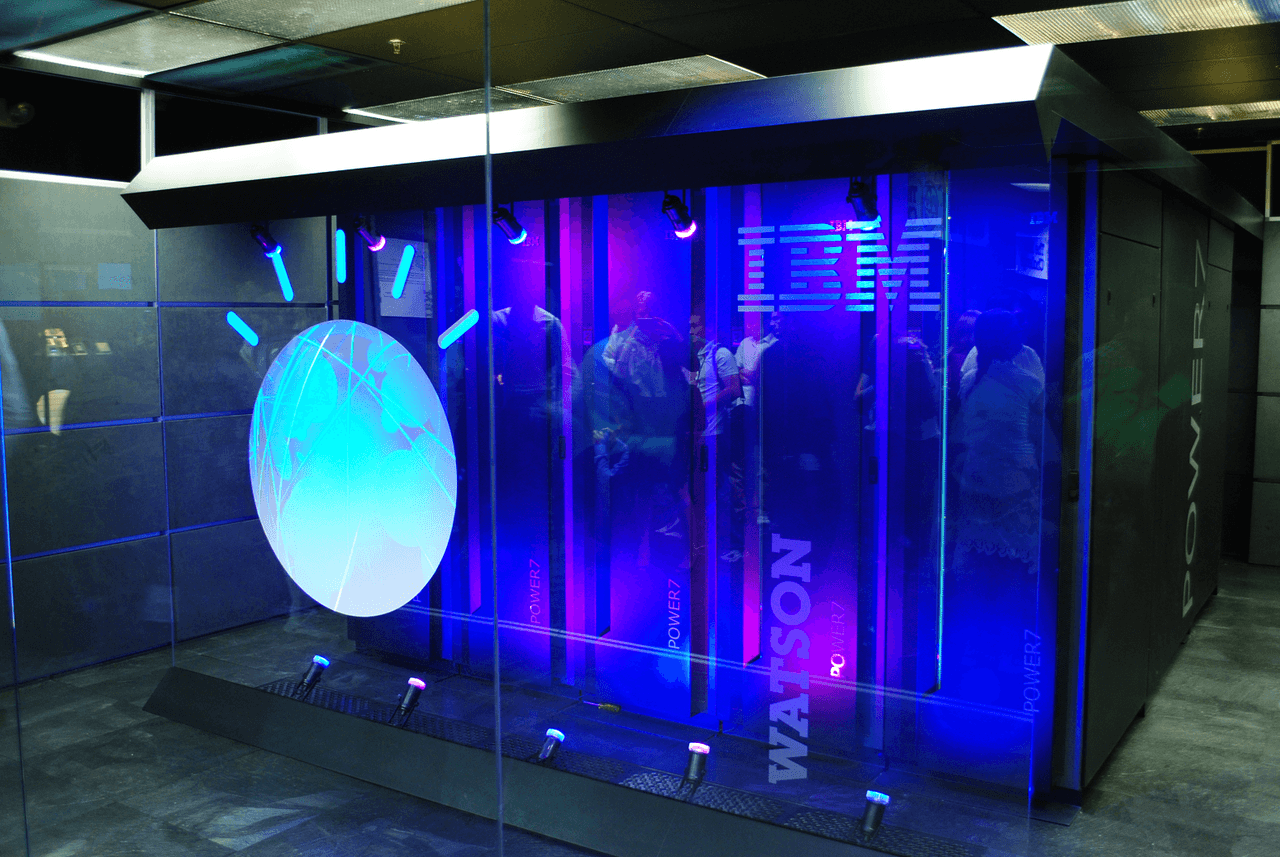
IBM has told staff and the public that it will no longer sponsor U.S. work visas or permanent residency applications for the bulk of positions within its Consulting unit. The announcement, made on Tuesday, November 10, 2026, affects a division that employs more than 150,000 people worldwide.
The company framed the decision as a response to changing circumstances. According to a spokesperson, IBM has been drawing less on high-skilled visa channels for several years, and both the availability of qualified workers and the needs of its clients have shifted in that time, prompting the company to stop sponsorship for most of these roles.
The policy backdrop
The timing reflects a broader pressure on employers that rely on foreign talent. The administration of President Donald Trump has been scrutinising how companies use employer-sponsored visas, arguing that the system is sometimes abused to bring in workers at lower pay than American candidates would receive. Last month, several large technology firms and outsourcing companies, among them Microsoft, Adobe, Cognizant, Infosys and Tata Consultancy Services, were removed from the Permanent Labor Certification process, the initial step toward a green card for many foreign employees. Separately, the White House introduced a one-time $100,000 fee on new H-1B petitions last year.
What the change covers
The decision touches two main channels. The first is the H-1B program, a non-immigrant visa that lets employers hire foreign professionals for an initial three-year period, extendable by another three years. The second is the PERM process, which employers use to begin the green card application for workers they intend to keep permanently. IBM’s move removes sponsorship through both routes for most Consulting roles, though it has not made clear how existing H-1B holders will be handled.

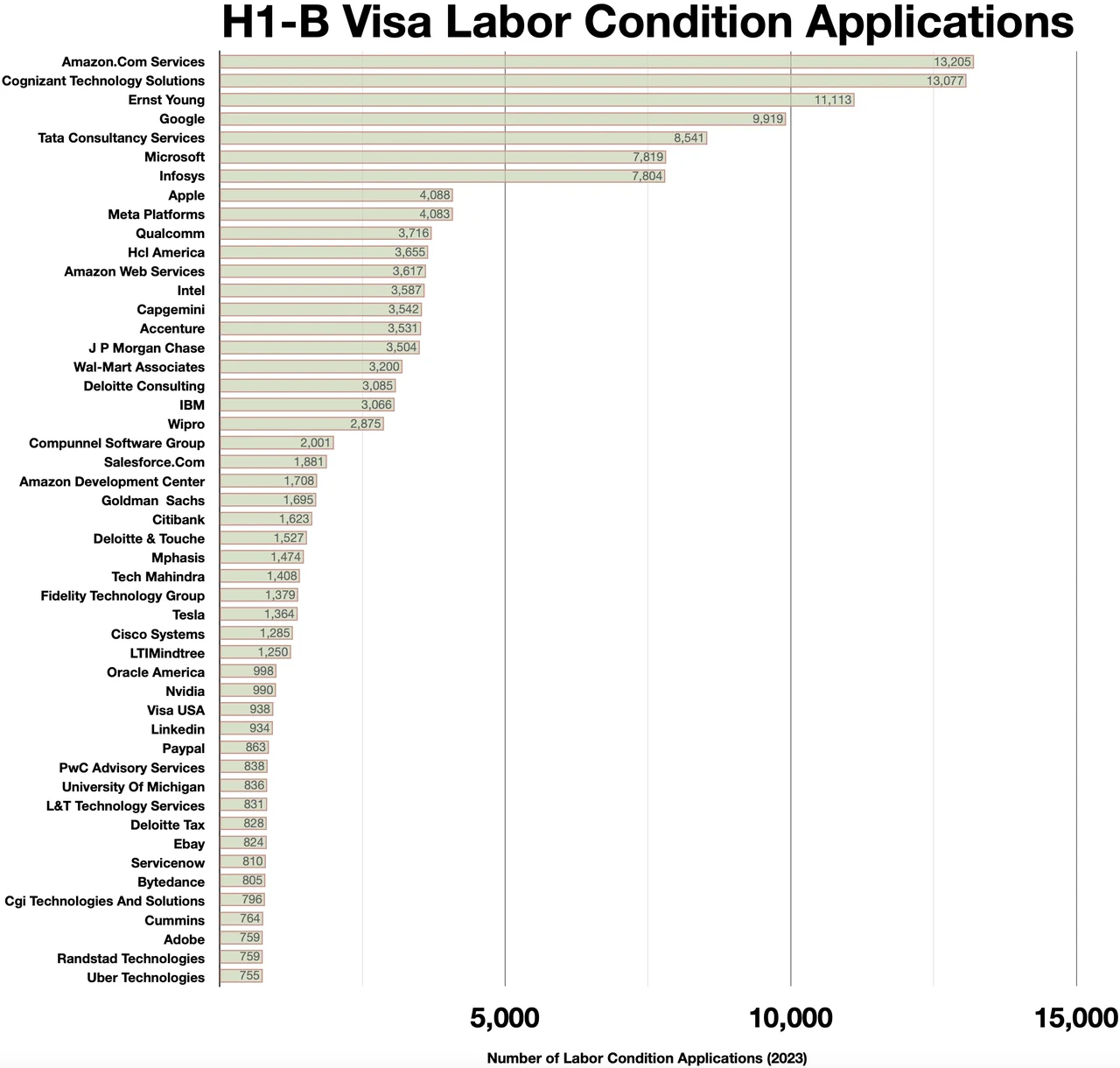
Data from the U.S. Department of Labor puts IBM’s scale in context. The company filed roughly 1,100 H-1B applications for fiscal year 2026, a fraction of the more than 13,000 filed by Amazon. Apple, Meta and Microsoft each filed close to four times as many as IBM.
Options for affected employees
According to a Bloomberg report citing an internal company document, workers in the affected roles have been told they can either continue working for IBM from outside the United States or leave the company by the end of the year. The report indicates the choice is now before the employees who depend on IBM for visa support.
What next
How the policy plays out for existing staff remains an open question, as the company has not publicly detailed transition terms for those already on H-1B status. The development also adds to the wider debate in Washington over how far employer-sponsored immigration programs should reach, a debate that appears set to continue as enforcement continues.

Spotted an error? Report a correction · Our editorial policy
UP NEXTAnthropic Unveils Upgraded Fable 5.2 and Mythos 5.2 Models as Public Listing Nears